
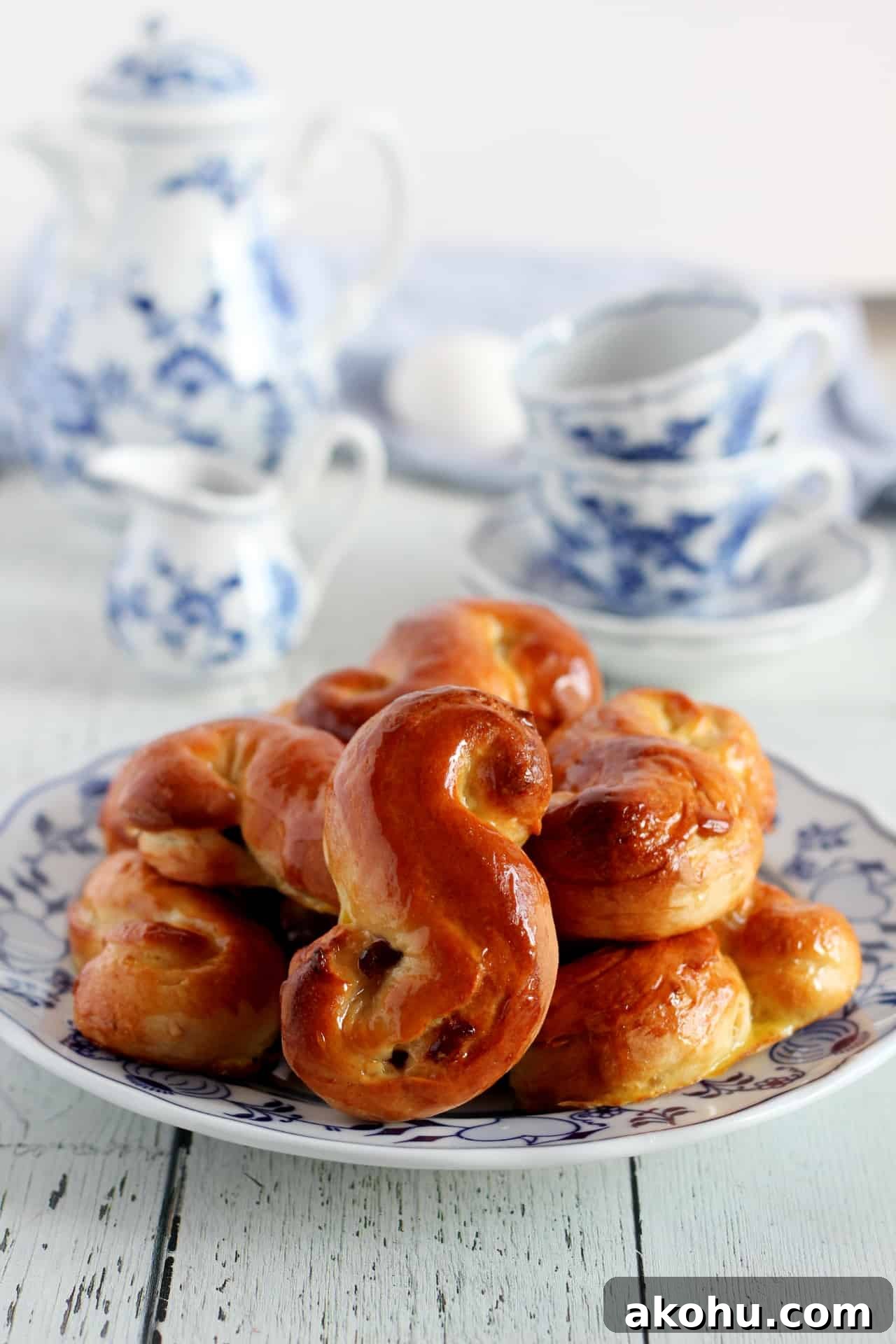
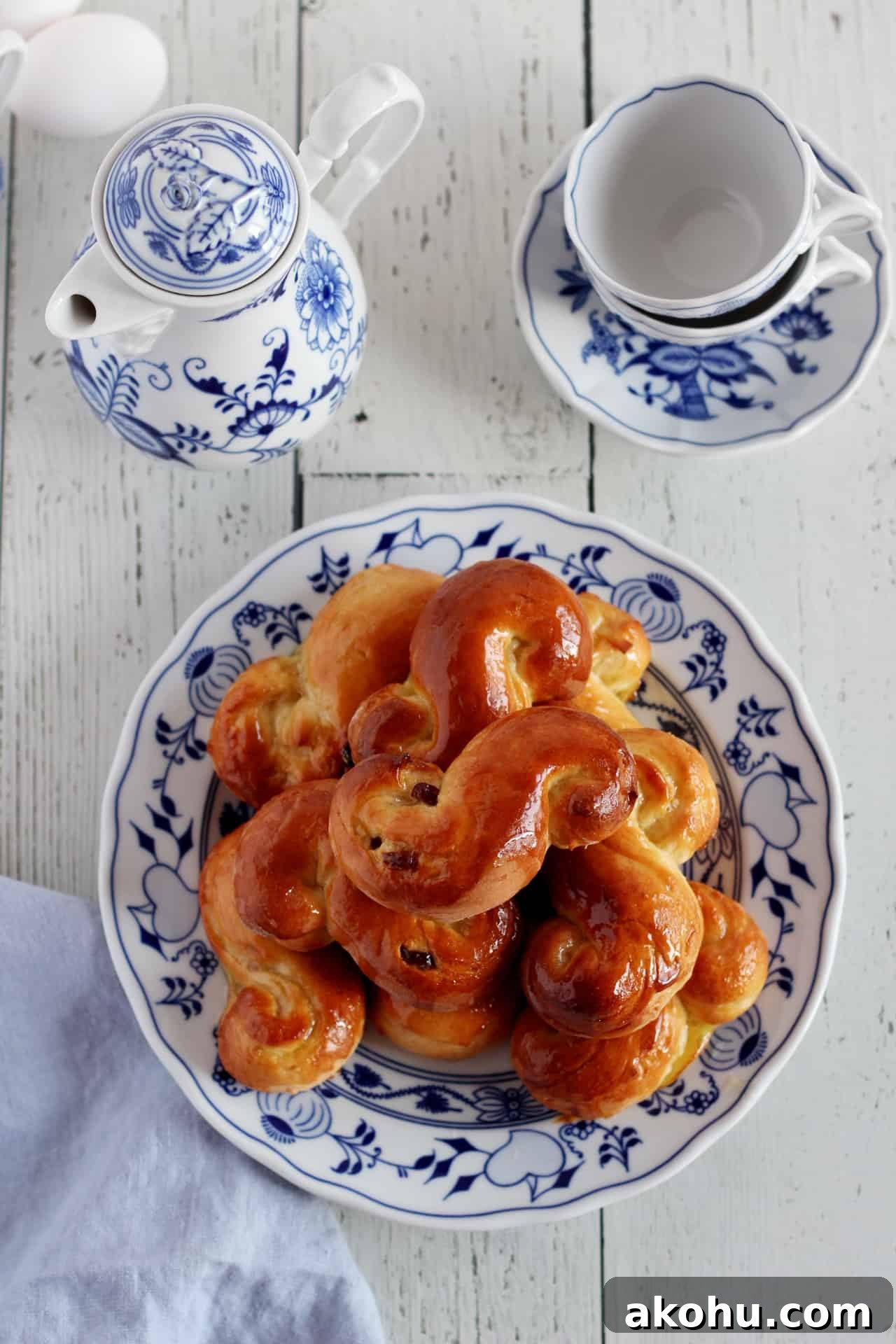
This sweet brioche bun, called Judas or Jidáše in Czech, is a traditional treat made for Easter Thursday. The buns are finished with a hot honey and butter drizzle for extra shine and sweetness.
Why these sweet brioche buns are so good
This version of brioche is easier and more affordable than the classic French brioche dough. Traditional brioche recipes use a large amount of eggs and butter—often a ratio of nearly equal weight of butter and eggs to flour. In contrast, this recipe uses only two egg yolks and a modest amount of butter for the same quantity of flour, with whipped cream (35% fat) added to replace much of the richness. If you prefer a lower fat option, you can substitute milk instead of whipped cream.
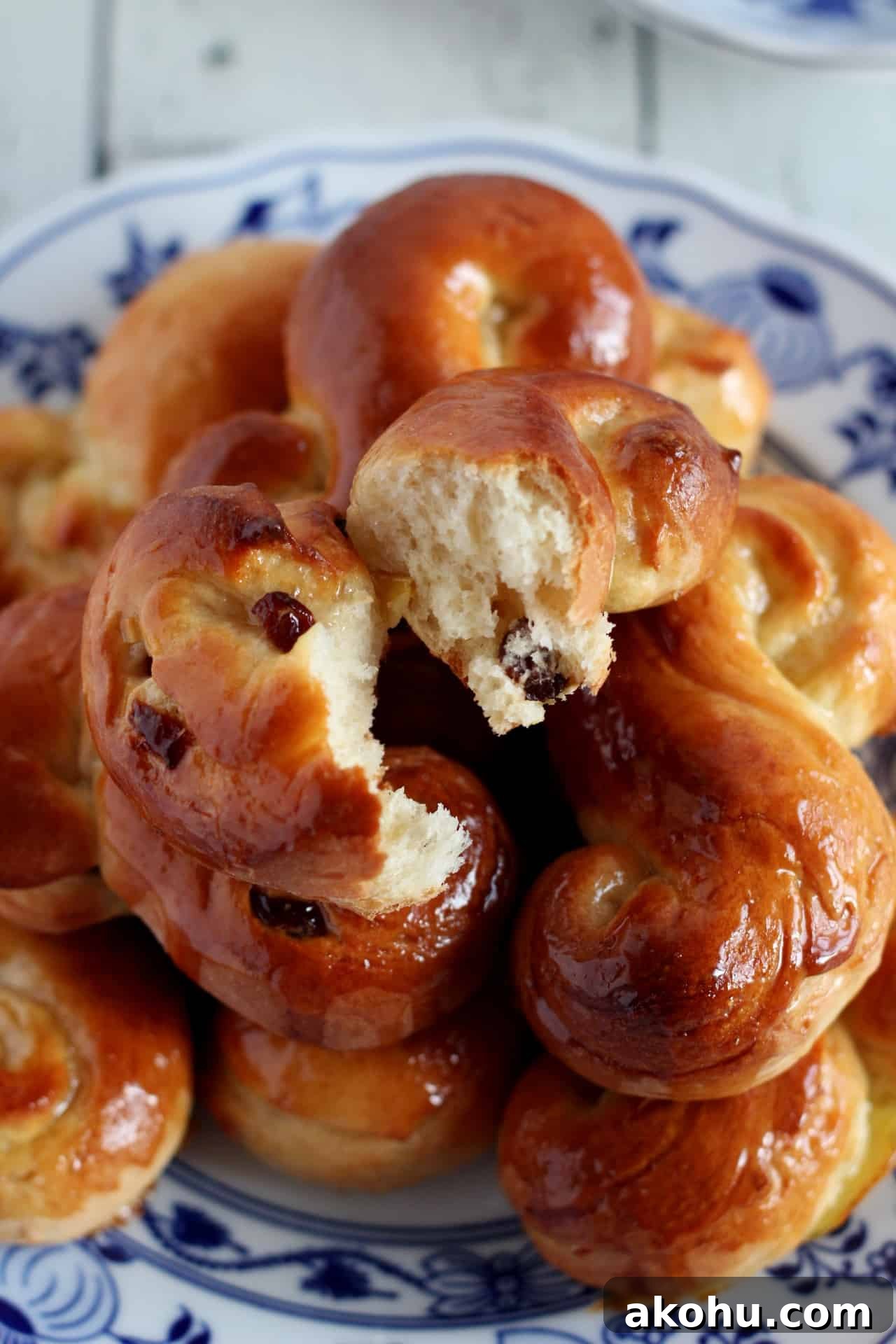
The dough here is less sticky than classic brioche, making it simpler to handle. The buns are shaped into an “S,” are light and fluffy, and make a perfect snack. The dough is only mildly sweet, so raisins add the right touch of sweetness while sliced blanched almonds contribute a pleasant crunch. Brushing the hot buns with a honey-butter glaze after baking gives them a glossy finish and a warm, festive aroma.
Why these buns are made for Easter and why they’re called “Jidáše”
A bit of background
These sweet buns have a long tradition in Czech Easter celebrations. The name “Jidáše” (Judas) refers to the shape: the twisted ropes of dough resemble the rope associated with Judas’s betrayal. Many Czech Easter customs are tied to biblical figures and seasonal rituals, and these traditions often find expression in the foods prepared for the holiday.
Ingredients for Judas buns
- All-purpose flour
- Unsalted butter
- Egg yolks and whole egg
- Whipping cream (35% fat) or milk
- Fine sugar
- Yeast (fresh or dry)
- Salt
- Lemon zest
- Raisins and blanched sliced almonds
- Honey for glazing
What is sweet brioche dough
Brioche sits between bread and pastry: a sweet, buttery, and airy bread similar in texture to enriched rolls or Danish pastries. Classic brioche uses many eggs and a lot of butter, which creates a very sticky dough. This recipe reduces eggs and butter and uses whipped cream, resulting in a dough that is easier to shape while keeping the characteristic richness and softness. A stand mixer with a dough hook is recommended for the best results.
How to make sweet brioche buns for Easter
-

Make the dough -
Prove the dough for first time -
Place on floured surface -
Divide the dough -
Roll the ropes and shape -
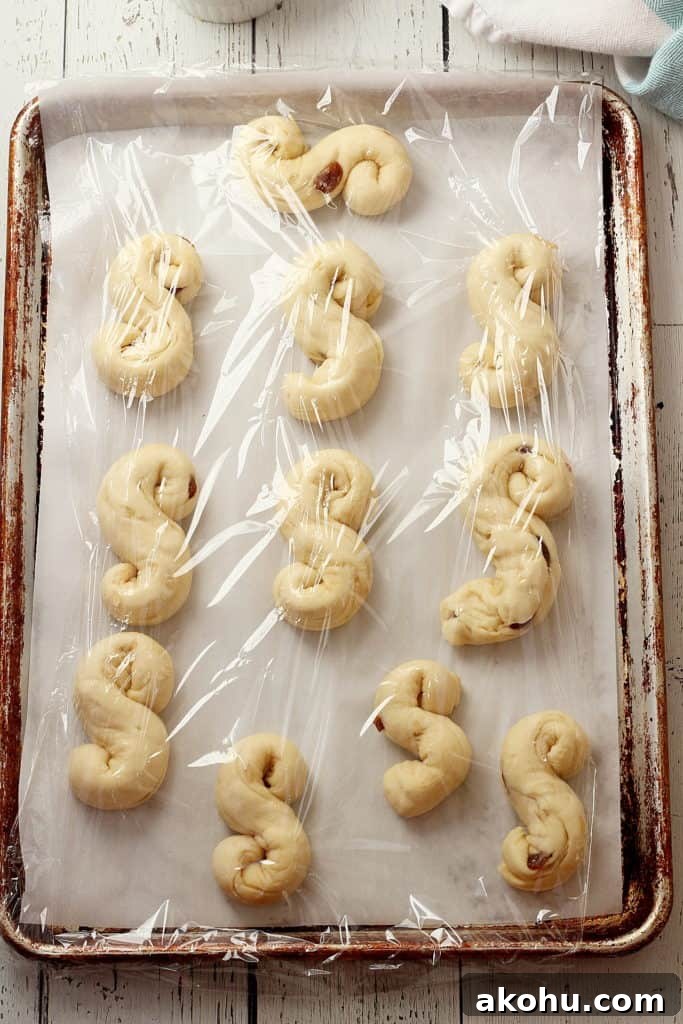
Prove the dough for the second time -
Brush with egg wash and bake -
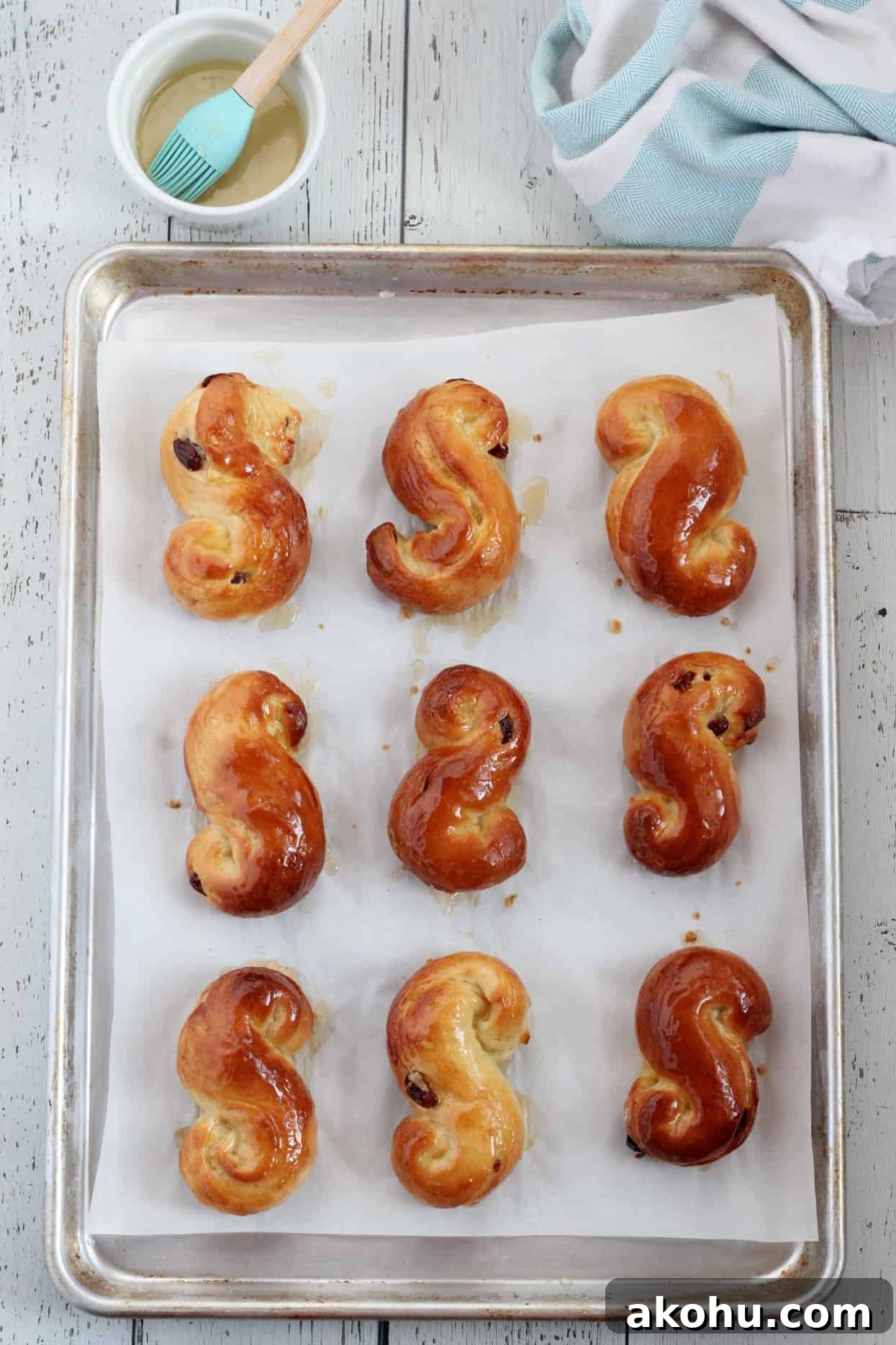
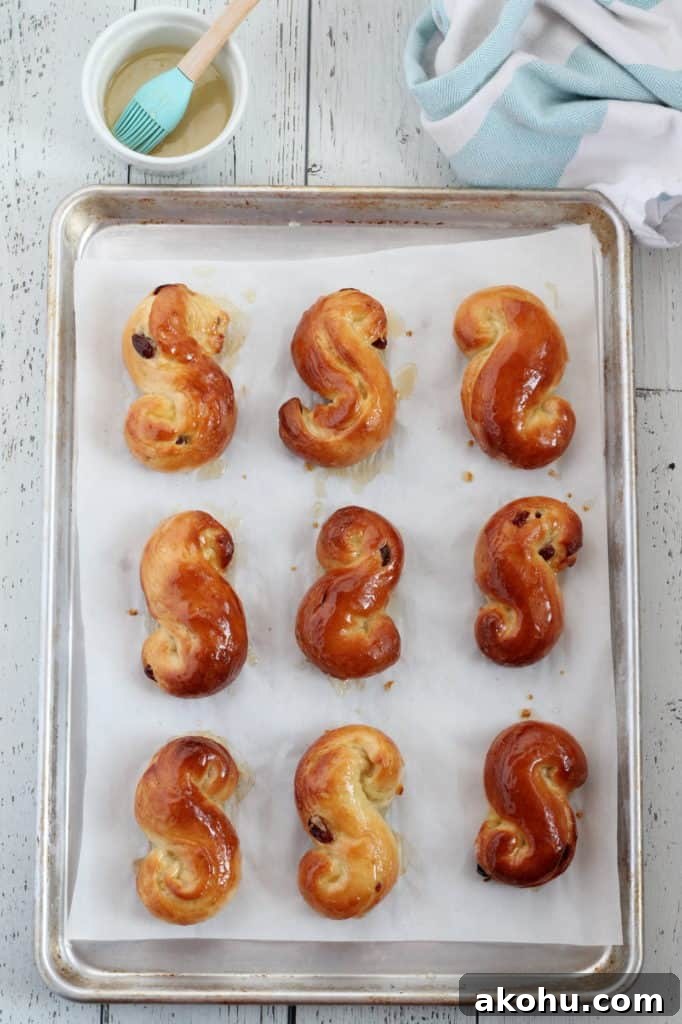
After baking brush with honey drizzle
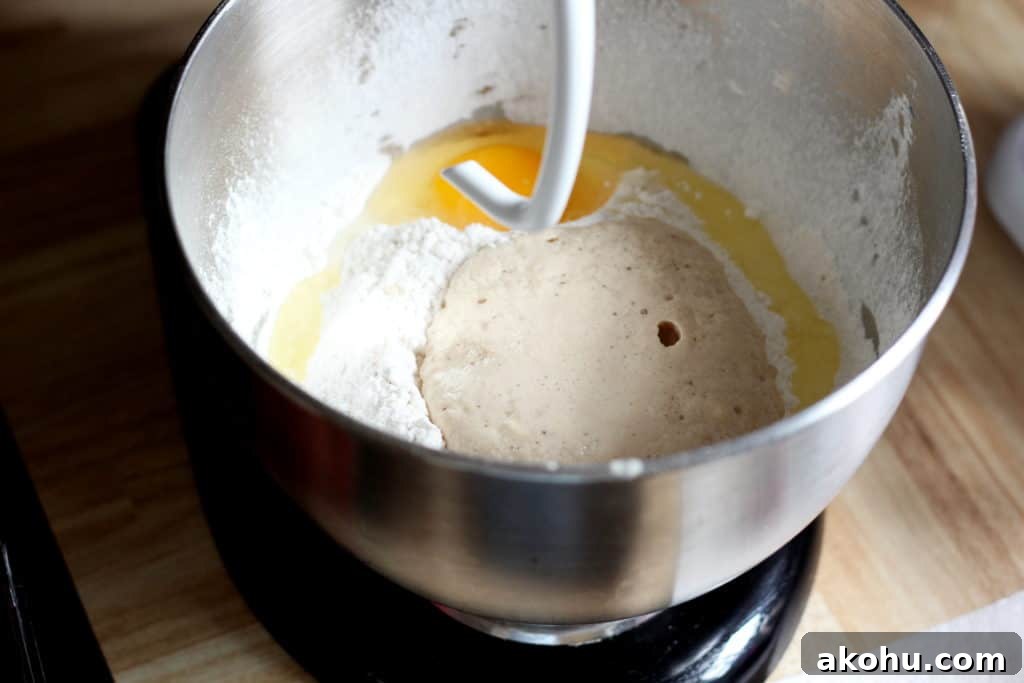
- Make the leavening: For fresh yeast, crumble it into a small cup, add 1 tsp sugar and 100 ml lukewarm cream, mash gently, sprinkle 1 tsp flour on top, cover, and let sit in a warm place until doubled (about 10 minutes). If there’s no activity, use fresh yeast.
- Combine dry ingredients: In a stand mixer bowl with a dough hook add all-purpose flour, sugar, lemon zest, and salt. Stir briefly, then add instant yeast (or the proven fresh yeast), and the egg yolks. Start mixing on low speed.
- Add cream and butter: Slowly pour in lukewarm whipping cream while mixing. The dough will start crumbly; add room-temperature butter spoon by spoon until incorporated. Increase mixing speed and knead 5–10 minutes until the dough is elastic and no longer sticks to the bowl. Stir in raisins and sliced blanched almonds for a few seconds to combine.
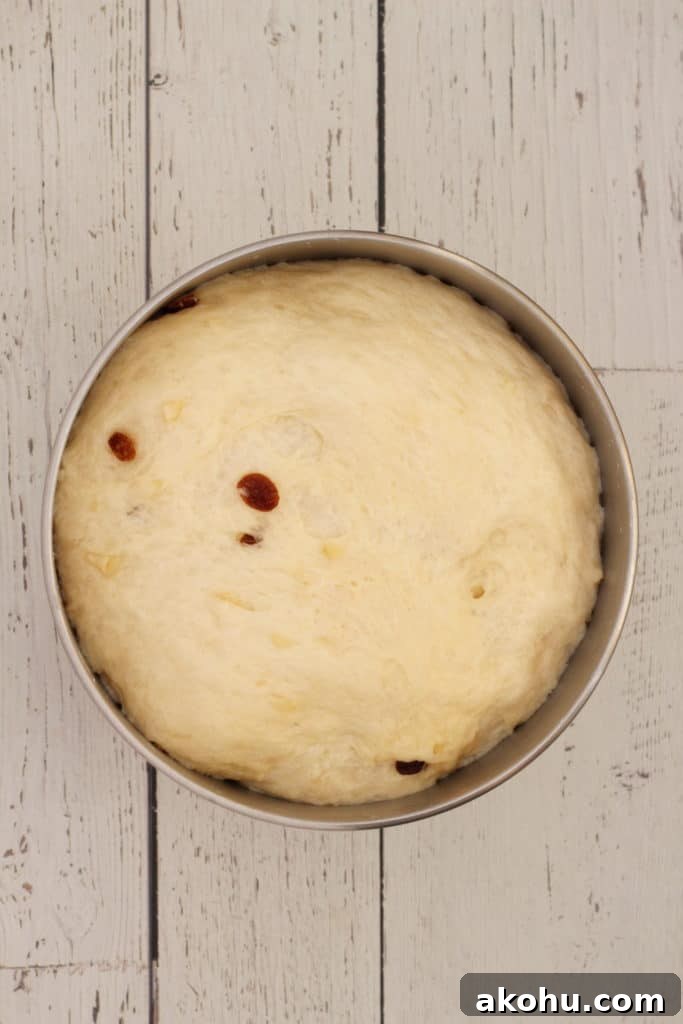
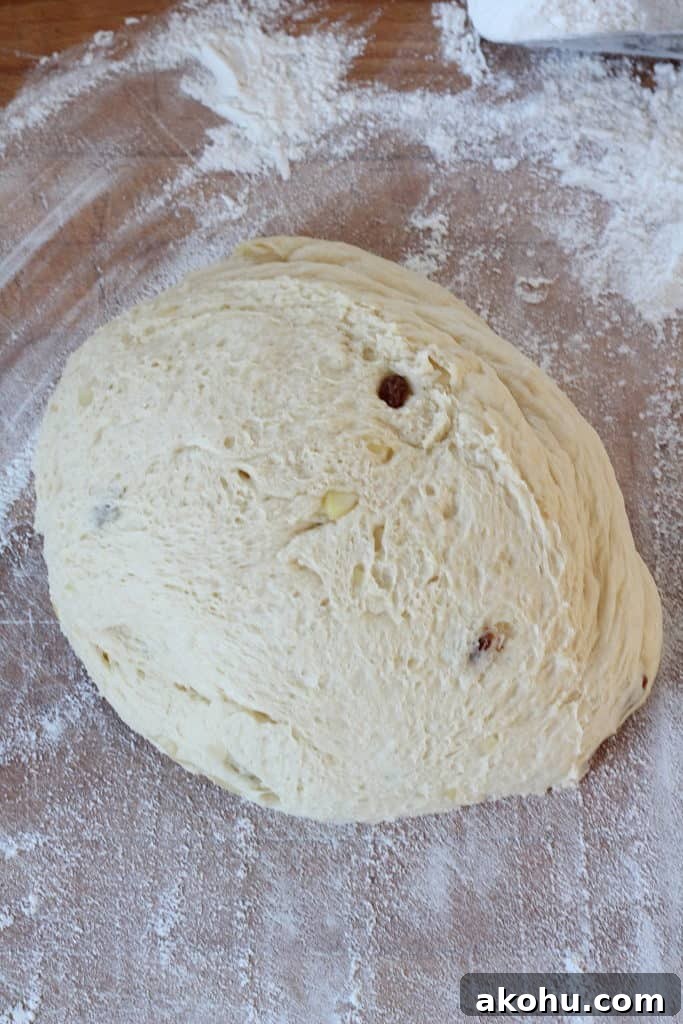
- First rise: Turn the dough onto a floured surface, shape into a ball, return to the bowl, cover, and let rise in a warm, draft-free place until doubled, about 1 hour.
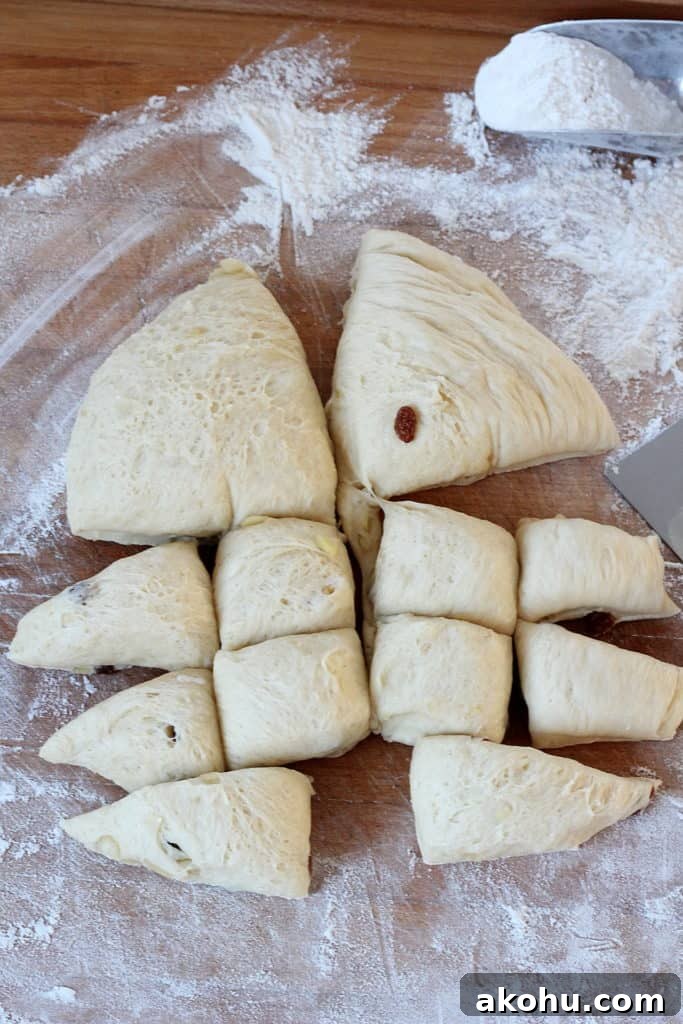
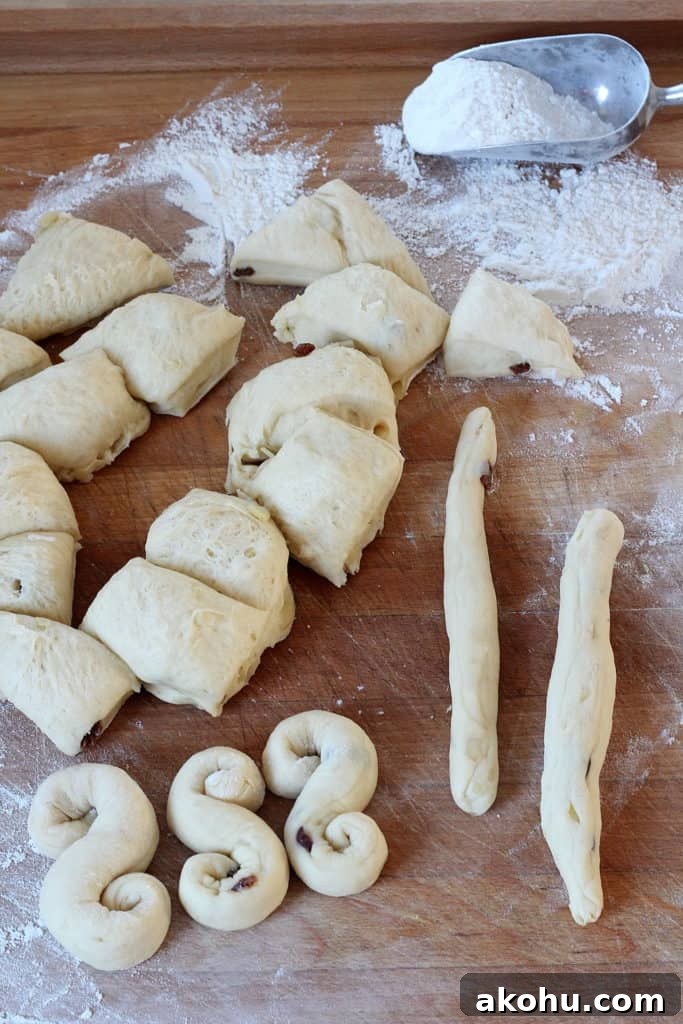
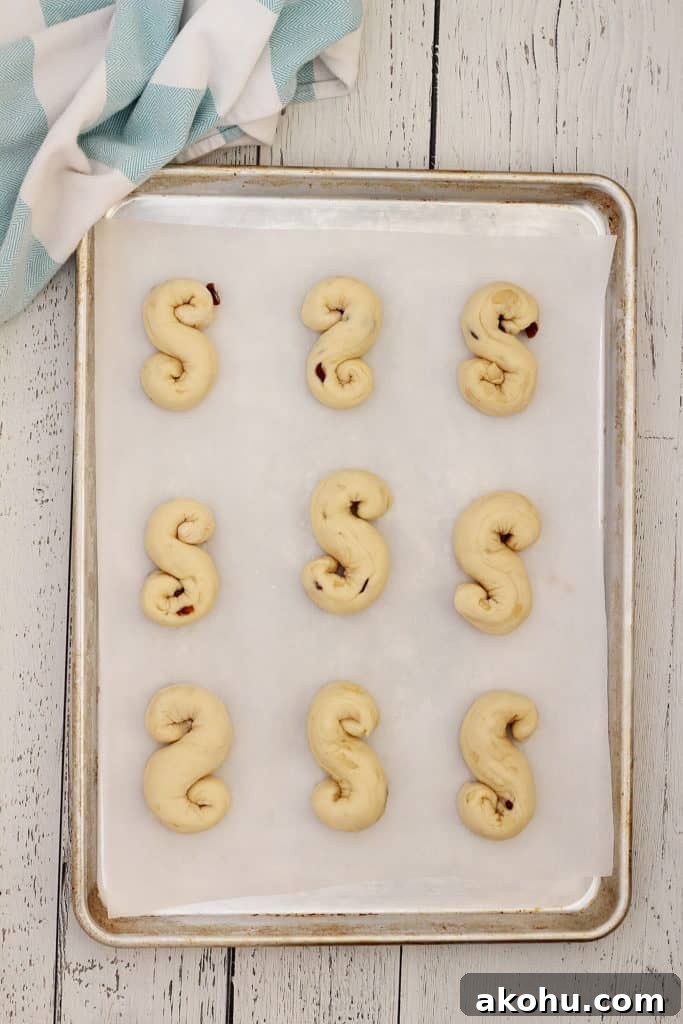
- Divide and shape: On a floured surface, cut the dough into 20 equal pieces (quarter the dough, then each quarter into five pieces). Roll each piece into a 20–25 cm (8–10 in) rope and form an “S” shape. Place on parchment-lined baking sheets.
- Second rise: Cover and let the shaped buns rise another 20 minutes while preheating the oven to 180°C (350°F).
- Egg wash and bake: Brush with an egg wash made from 1 beaten egg and 2 tbsp water. Bake on the middle rack for about 15 minutes, until golden brown. If baking two trays at once, swap positions halfway through and add 1–2 minutes if needed.
- Honey drizzle and finish: Warm 2 tbsp honey with 1 tbsp butter briefly, stir, and brush over the hot buns, including the sides. Let cool on the baking sheet 5–10 minutes. Serve warm plain, with butter, or jam.

Tips for the best sweet brioche buns
Shapes
Brioche can be formed into many shapes—round, rolled, palmier, or the traditional “S” for Easter. Avoid over-flouring the surface when rolling small ropes; a slightly tacky dough gives better grip and makes shaping easier.
Proving the dough
A warm room around 22°C (72°F) is ideal for rising. Cover the dough and avoid drafts and direct sunlight. This recipe requires two short proofs: one bulk rise and a second after shaping.
Making the dough ahead
Unbaked brioche dough generally does not freeze reliably because of its high fat content. If you want to prepare ahead, refrigerate the dough after the first rise for up to 24 hours. Freezing after the first rise is possible but inconsistent; if attempting freezing, use within 10 days.
Storing
Baked buns stay fresh at room temperature for about two days when stored in an airtight container or wrapped to prevent drying. Ensure they are fully cooled before sealing to avoid condensation and spoilage. For longer storage, freeze in airtight packaging for up to three months and reheat briefly in the microwave to soften.
More Easter recipes
- Mini kuglof (Alsatian brioche)
- Mini Easter tarts with cheesecake filling
- Easter bunny French madeleines
- Creamy rabbit stew with white wine
- Mazaniec — Czech Easter sweet bread
Note: nutritional values are estimates. I am not a nutritionist and cannot guarantee their accuracy.

This post may contain affiliate links. Read the disclosure policy for more information.