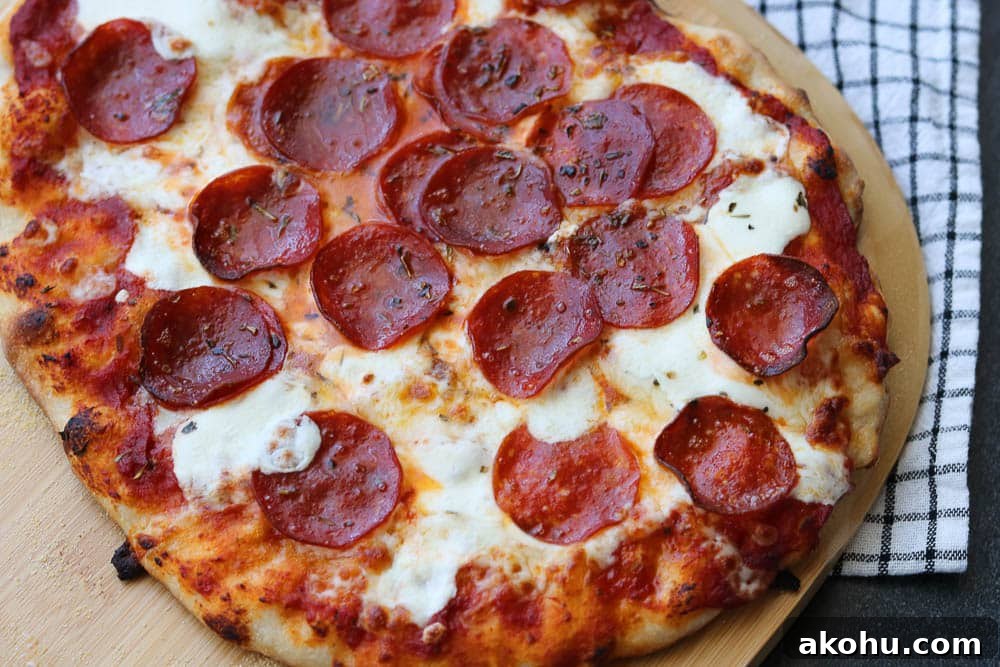
For the past three years we’ve taken pizza-making seriously, testing methods that work well for most homes. This Perfect All-Purpose Pizza Dough recipe is the result: tried, tested, and tuned for grills, ovens, pizza stones, copper mats, and pizza ovens. It produces a thin-crust pizza with crisp edges, the right balance of crunch and chew, and it freezes and defrosts beautifully for later use. The dough needs about two hours to rise, but the process is forgiving and well-suited to both novice and experienced cooks.
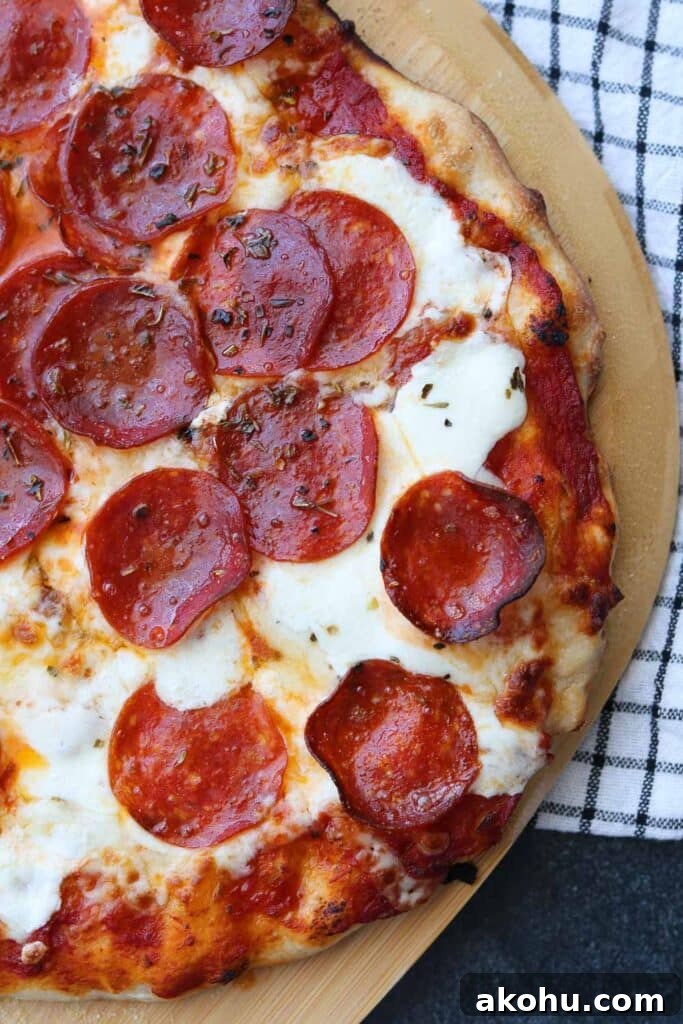
How to make homemade pizza step-by-step
Please read the full guide before you begin. Below you’ll find practical information for making this dough and baking pizzas at home using a variety of methods. The instructions cover preparation, kneading by hand or with a stand mixer, stretching, assembling, and baking whether you’re using an oven, grill, pizza stone, or copper mat. If you have a question, feel free to contact the author through the site’s contact form.
Table of contents
- How to make homemade pizza step-by-step
- Why you’ll love this Perfect All-Purpose Pizza Dough recipe
- Homemade Pizza 101
- Best flour for homemade pizza dough
- Types of Pizza crusts
- Recommendations for the Best homemade pizza crust
- Methods of baking pizza for the home cook
- How to prepare homemade pizza dough
- Kneading pizza dough by hand
- How to knead pizza dough with a stand mixer
- How to stretch pizza dough
- Suggested Toppings for homemade pizza
- Cooking times for homemade pizza
- Serving suggestions for homemade pizza
- Questions and Tips
Why you’ll love this Perfect All-Purpose Pizza Dough recipe
This recipe is adapted from a classic home-cooking source and adjusted for real-world home baking: pizza stones, outdoor gas grills, oven racks, copper mats, and pizza ovens. The intent is a same-day dough using widely available ingredients and minimal fuss. It’s approachable for any home cook, produces a crisp, thin crust that holds sauce and toppings well, and keeps quality after freezing and thawing.
Homemade Pizza 101
Over many batches we refined the process and learned what matters most: consistent rise, good flour, and appropriate heat for baking. Proofing can be affected by room temperature; in colder months place the dough bowl near a warm oven or set the oven to 175°F briefly and proof nearby to encourage a better rise. The dough is forgiving, but a warm, draft-free space helps achieve consistent results.
Best flour for homemade pizza dough
The most accessible flours are all-purpose and bread flour. 00 flour creates the soft, tender Neapolitan-style crust but is less common, more expensive, and often requires a longer rise. Gluten content governs how chewy the crust becomes: bread flour (higher gluten) gives more chew, all-purpose less so. For this all-purpose, thin-crust recipe a blend of bread and all-purpose flour delivers a great balance of texture and handling.
Note: use fresh flour for best results.

Types of Pizza crusts
Pizza styles vary widely. This recipe targets a thin but sturdy crust that supports sauce, cheese, and reasonable toppings without tasting like plain bread. Below are common U.S. styles to help you pick a target crust for your next pie.
Thin-crust pizza variations
Neapolitan: Very thin, baked quickly at very high heat, classic Margherita is the prime example.
New York Style: Large, foldable slices with a wide, puffed edge; saucy and cheesy but not overloaded.
St. Louis Style: A cracker-thin, typically yeast-free dough cut into squares called tavern cut.
Thick-crust pizza variations
Sicilian: Thick, focaccia-like crust often baked in a square pan with generous toppings.
Detroit: Rectangular, with a tall airy crust and cheese that caramelizes along the edges.
Chicago Deep Dish: Very thick, pan-baked pie assembled with inverted layers so the sauce sits on top.
Pan pizza: Baked in a deep pan for a thicker, softer crust—ideal for cast-iron pans.
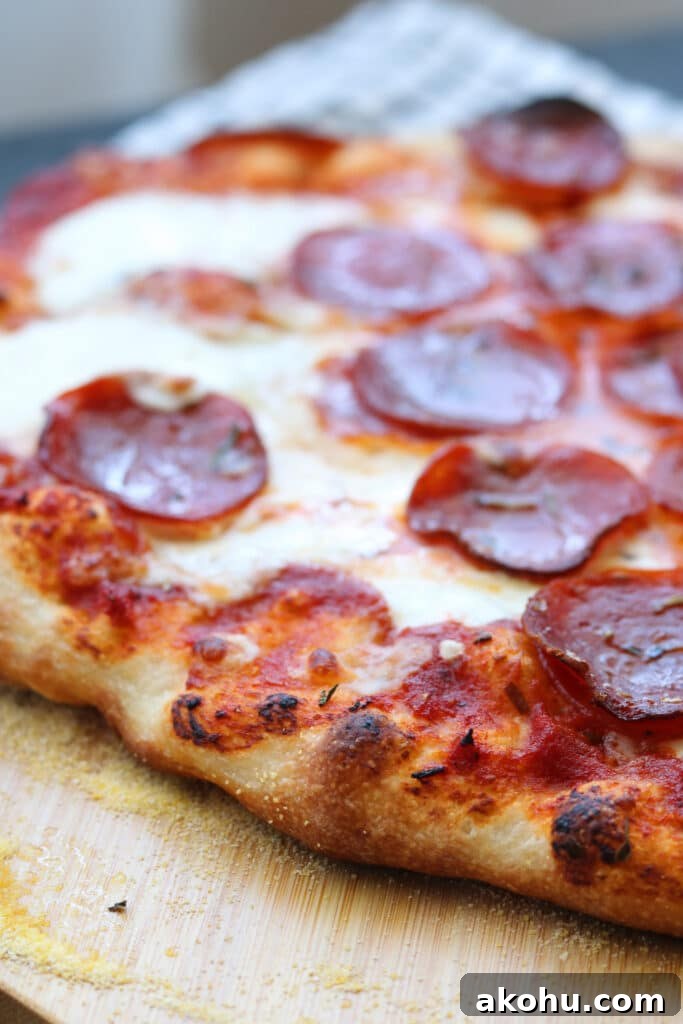
Recommendations for the Best homemade pizza crust
A few tools make home pizza easier, though you can get great results with basic kitchen gear. Helpful items include:
- Pizza stone rated for high temperatures (if you use one)
- Pizza peel or a flat cookie sheet to launch pizzas
- Copper baking mats for ovens or grills (use within their temperature limits)
- A gas or charcoal grill with reliable temperature control
- Pizza cutter and good-quality flour
Methods of baking pizza for the home cook
The most practical approaches are an outdoor gas grill or a conventional oven. Charcoal grills are an excellent alternative. For consistency and ease, a gas grill with a pizza stone or a home oven with a preheated stone or copper mat are my top choices.
How to prepare homemade pizza dough
This recipe yields a thin, slightly crunchy crust—if you want a thick, doughy pizza, consider a different recipe. The original calls for bread flour, but a mix of bread and all-purpose flour gives a pleasant texture and easier handling. The dough uses a small amount of yeast and requires a two-hour proof for a same-day pizza.
- 2 large bowls (one for mixing, one for proofing)
- 3 cups bread flour, spooned and leveled
- 2 cups all-purpose flour + extra for kneading
- 1 teaspoon active dry yeast
- 1 tablespoon sugar
- 1 tablespoon kosher salt (or 2 tsp table salt)
- 1 3/4 cup warm water (110–115°F)
- 2 tablespoons extra virgin olive oil plus 1 tablespoon to oil the bowl
- Optional: extra olive oil and dried Italian herbs for brushing the crust
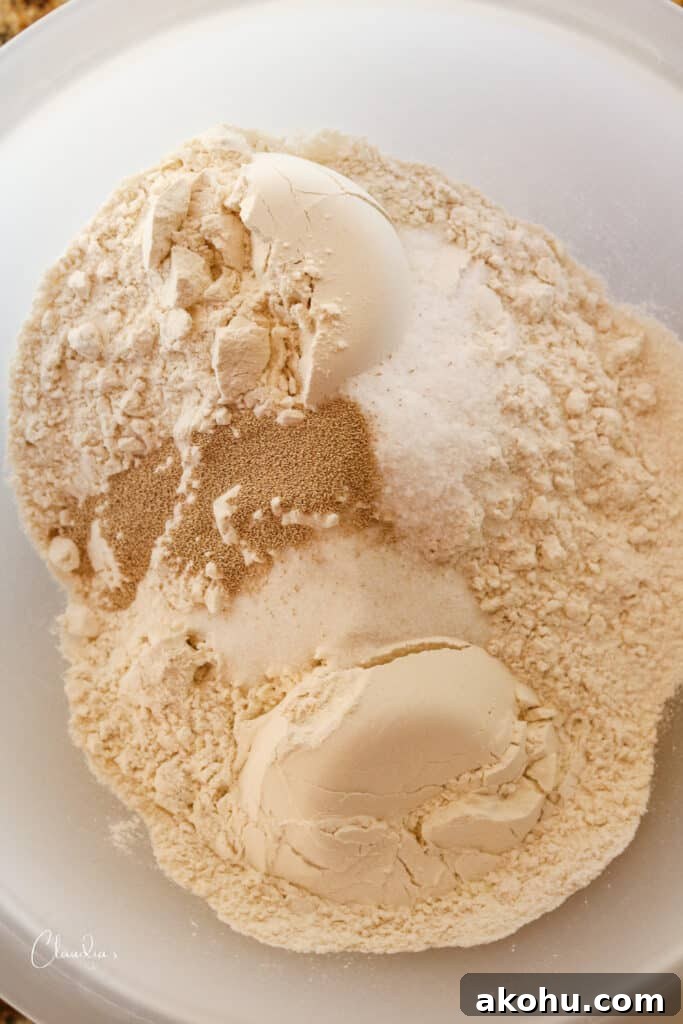
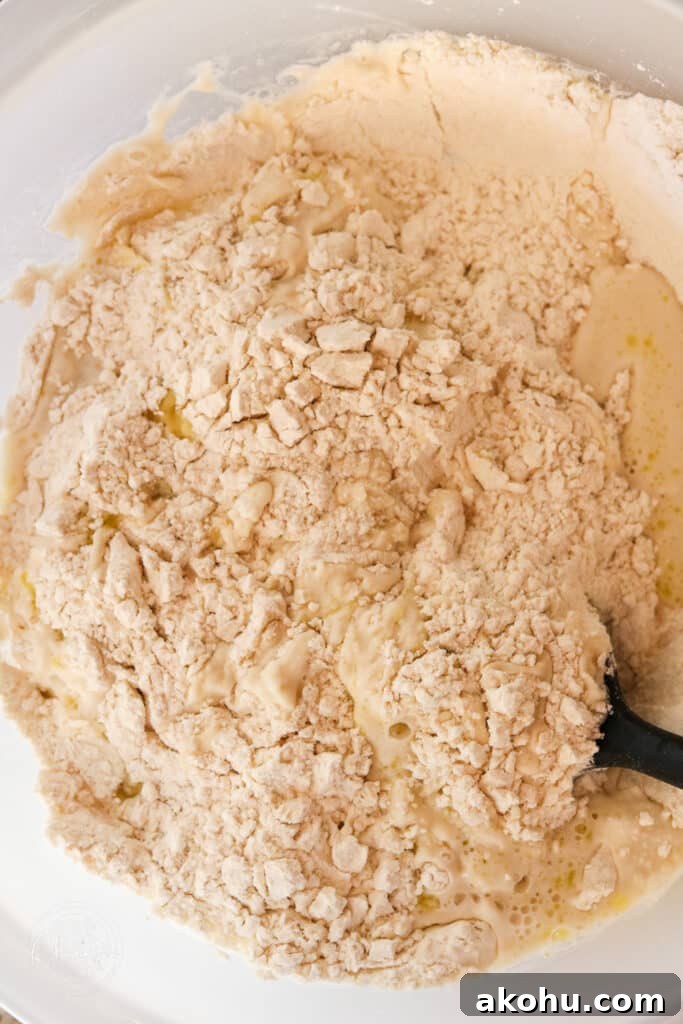
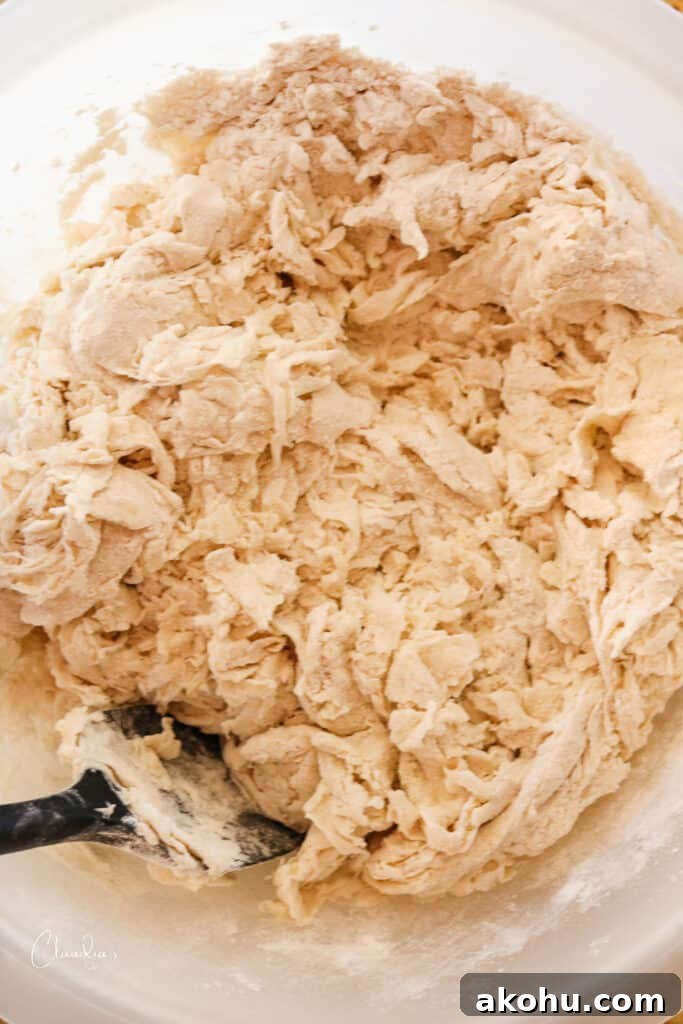
Combine the flours, yeast, sugar, and salt in a large bowl and whisk to combine. Add warm water and olive oil and stir until the mixture comes together; it will look shaggy. Prepare the second bowl with olive oil to coat the bottom and sides. If kneading by hand, dust your work surface with flour; skip this step if using a stand mixer.
Kneading pizza dough by hand
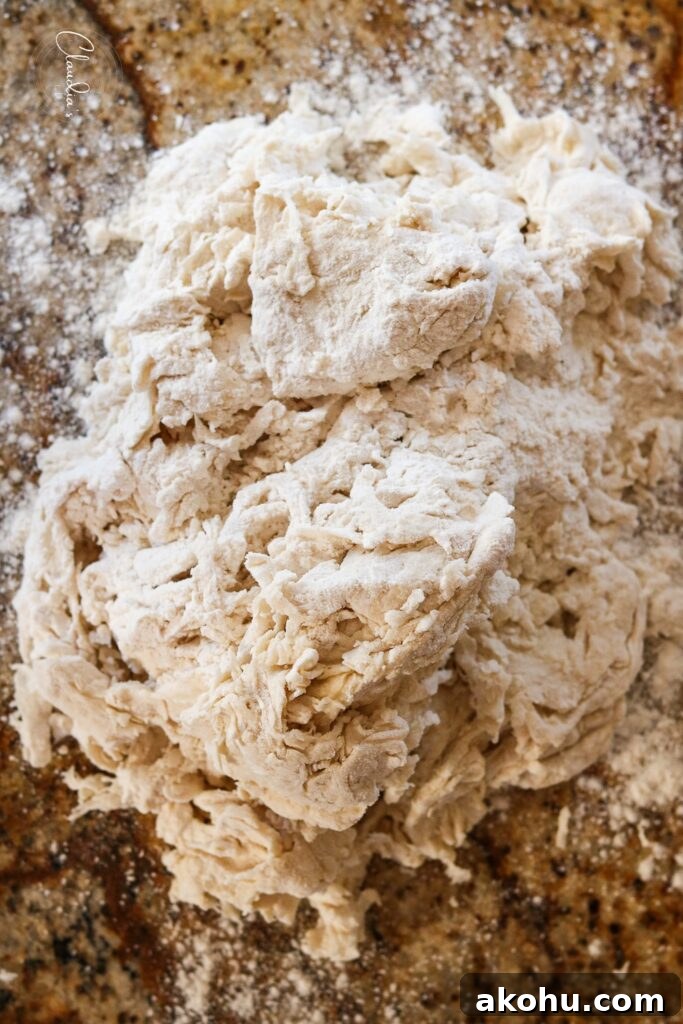
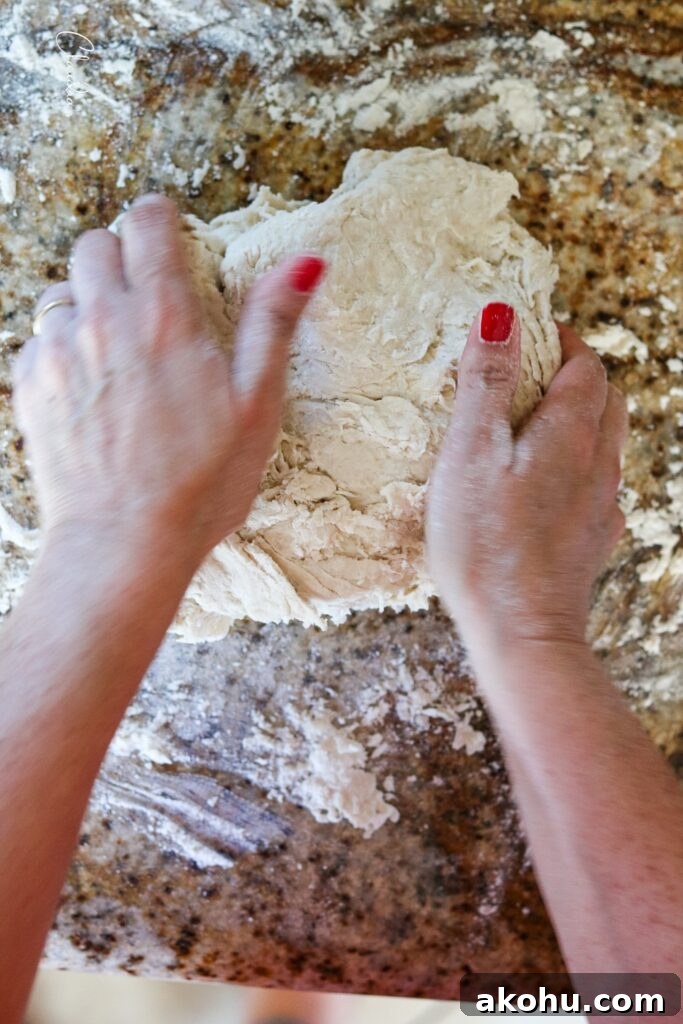
Turn the dough onto the floured surface and knead for 4–5 minutes. After a minute it should begin to smooth and feel elastic. Form into a ball, place in the oiled bowl, turn to coat, cover tightly with plastic wrap, and let rise in a warm, draft-free area for 2 hours. If your home is cold, briefly warm the oven to 175°F and proof nearby for better results.
How to knead pizza dough with a stand mixer
Add the dry ingredients to the mixer with the dough hook and mix briefly on low. Add warm water and olive oil and mix on low until combined, then increase speed slightly and knead for 2–3 minutes. The dough will still appear shaggy; if it sticks to the hook, stop and remove the dough, then continue kneading until the time is complete. Shape into a ball, oil the bowl, cover, and proof for two hours.
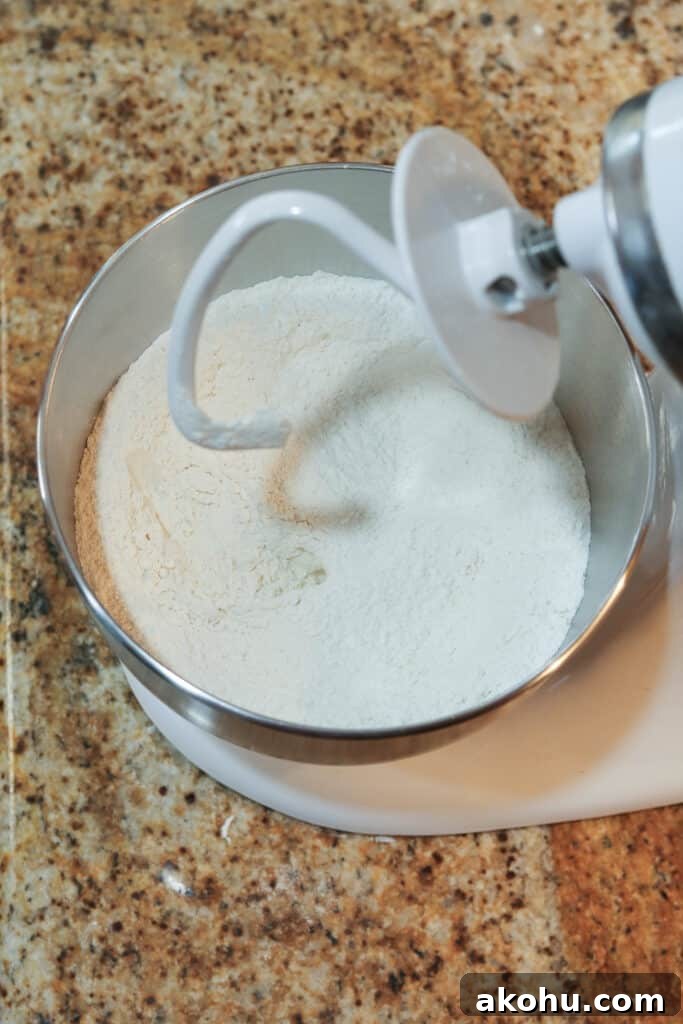
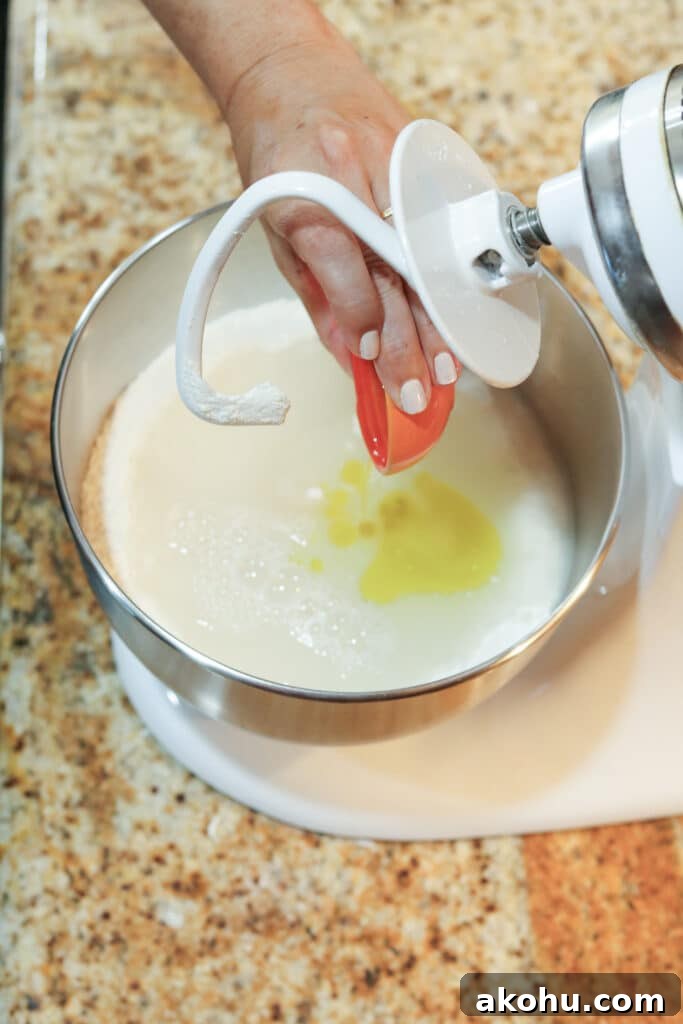
After the two-hour rise, divide the dough into four equal portions and form balls. Let them rest while you preheat your oven or grill.
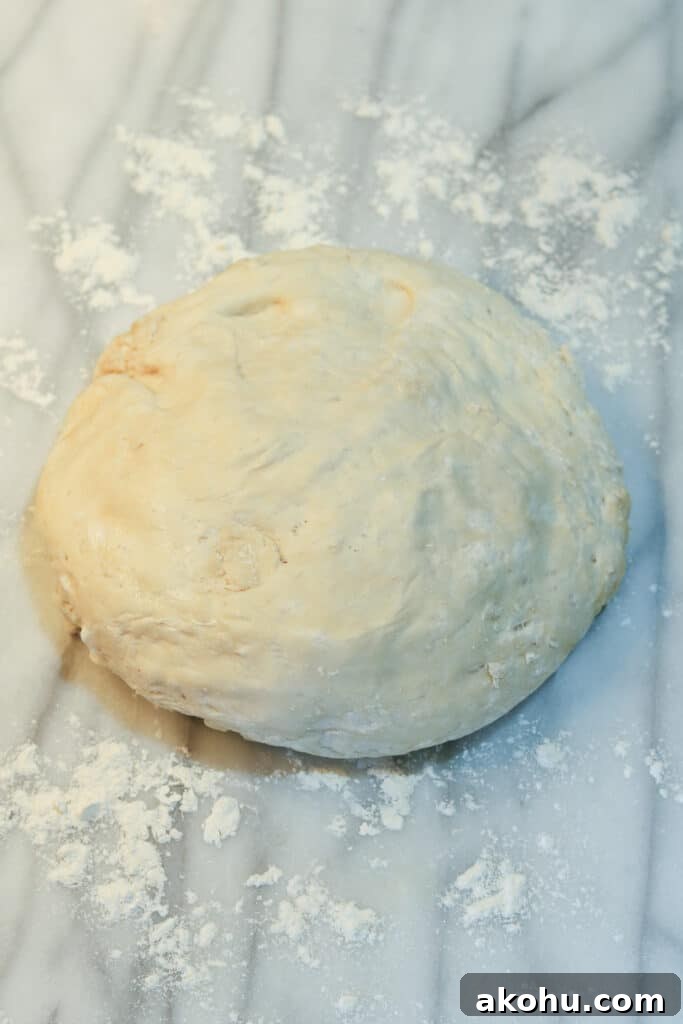
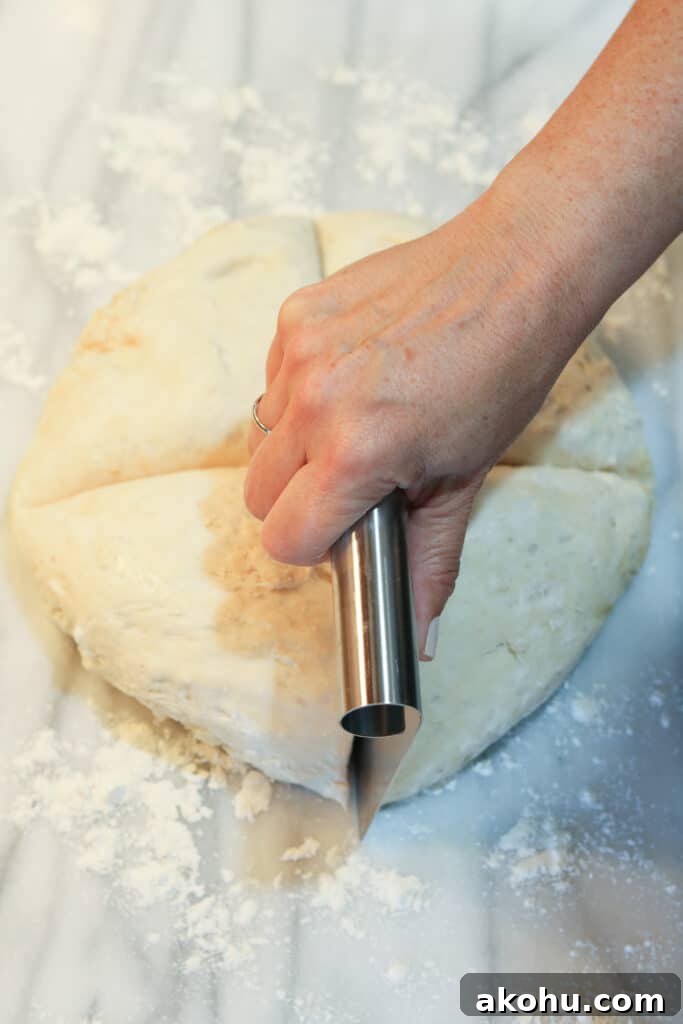
How to stretch pizza dough
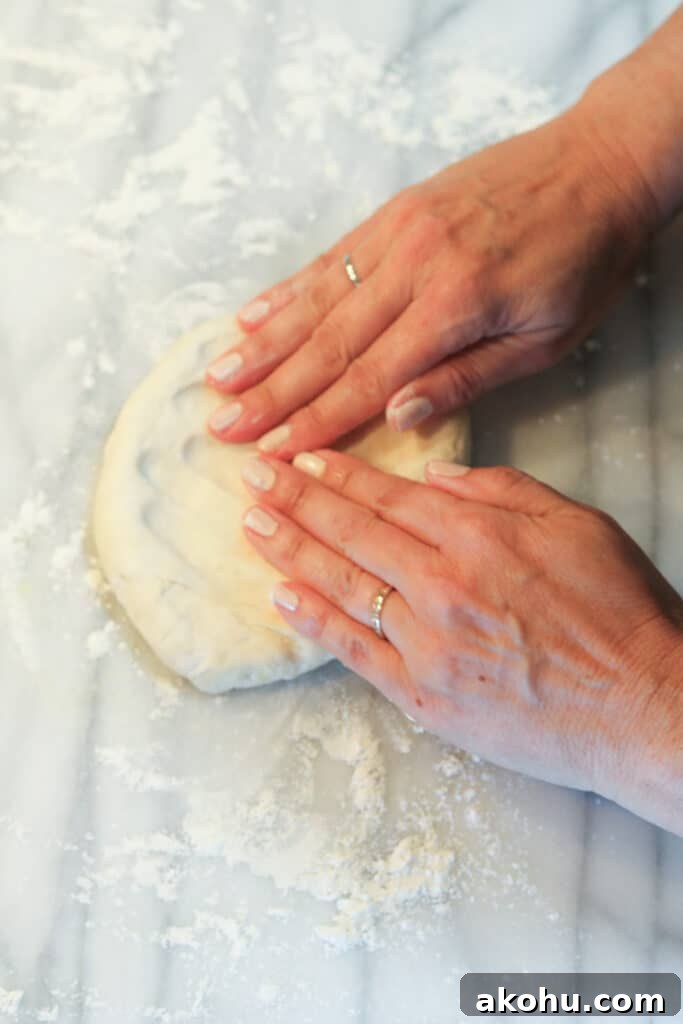
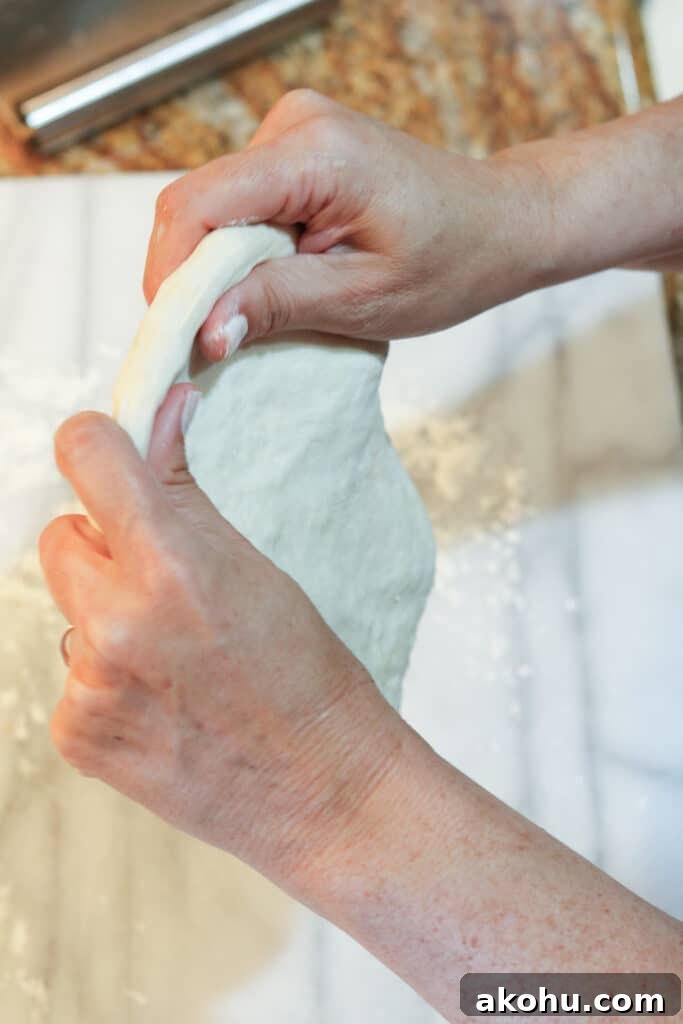
This dough is forgiving and easy to handle. Work on a well-floured surface and press from the center outward, rotating as you go. You can use gravity to help by holding the dough and letting it hang as you gently stretch it. Aim for a consistent thickness so the pizza bakes evenly. Stretch to roughly a 10–12 inch circle for this recipe.
- Place the dough ball on a floured surface and press from the center out, rotating as you go.
- Lift gently and use gravity to help pull and stretch the dough.
- Keep thickness consistent so it bakes evenly.
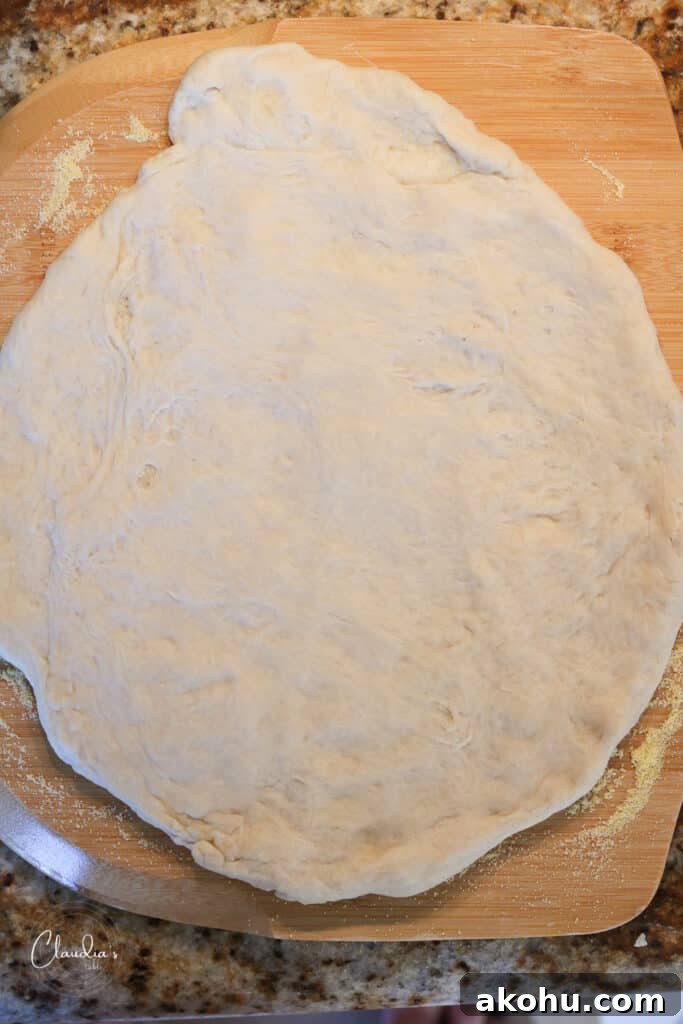
- Stretch to about 10–12 inches in diameter.
How to assemble the pizza for baking
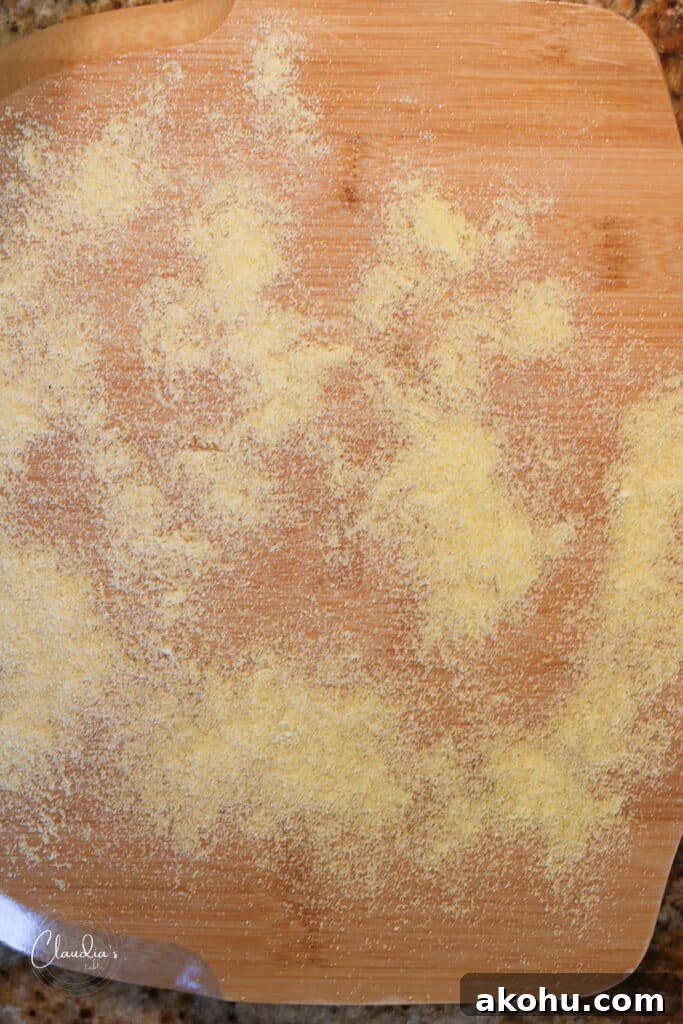
- Generously dust a pizza peel or cookie sheet with cornmeal.
- Place the stretched dough on the peel or sheet.
- Optional: brush with olive oil and sprinkle dried Italian herbs.
- Add about 1/4–1/2 cup of pizza sauce and spread evenly.
- Top with cheese and your chosen toppings, but go light so the pizza bakes evenly.
Suggested Toppings for homemade pizza
A great pizza needs a good sauce and balanced toppings. Use a thick, flavor-forward pizza sauce designed for pies rather than a loose pasta sauce. Classic toppings include pepperoni, mushrooms, olives, and fresh mozzarella. Finish with freshly grated Parmesan or a drizzle of hot honey for contrast. Keep toppings thinly sliced and avoid overloading the pie.

Cooking times for homemade pizza
Times will vary by equipment and temperature. Use the chart below as a guideline and always watch the first bake to learn how your oven or grill performs.
- Outdoor gas grill on a preheated pizza stone (600°F+): 6–8 minutes
- Charcoal grill with pizza stone (500–600°F): 5–8 minutes
- Conventional oven with pizza stone at 500°F (middle rack): 10–12 minutes
- Oven with copper mat at 500°F (lower rack): 10–12 minutes
- Baking sheet in the oven at 475°F: 15–18 minutes
- Gas or wood-fired pizza ovens: 1–3 minutes (follow manufacturer guidance)
- Copper mat on a grill (max 500°F): 8–10 minutes—monitor carefully
- Preheated baking sheet in a 500°F oven: 7–10 minutes
- Cast-iron pan on a preheated grill or in oven: 10–12 minutes
Note: Preheat pizza stones gradually by placing them in a cold oven or grill and bringing the heat up to temperature to avoid thermal shock.
How to remove pizza from peel to cooking surface
Slide the cornmeal-dusted pizza off the peel onto the hot stone or copper mat. If it sticks, use a thin spatula to free the edge and gently launch the pie. The pizza is done when the crust and edges are golden and the cheese is bubbling.
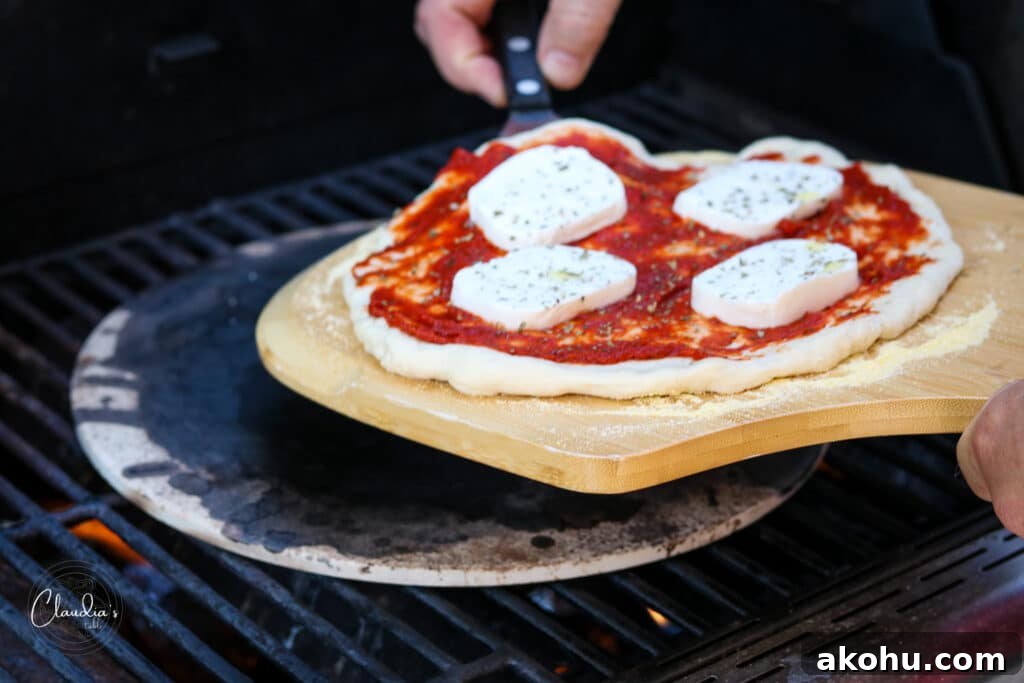
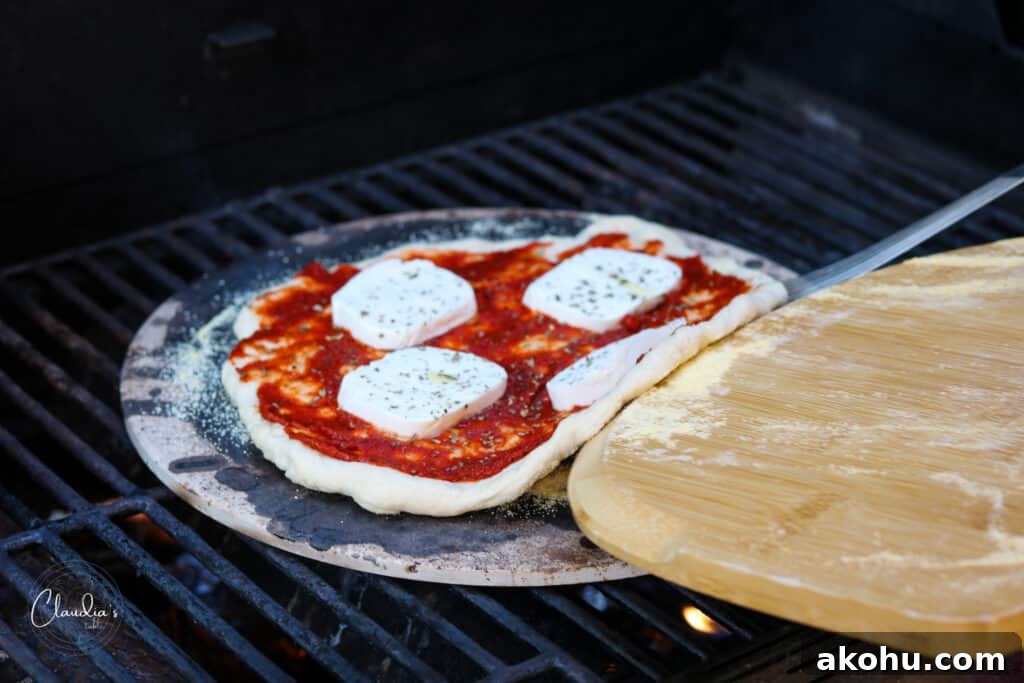
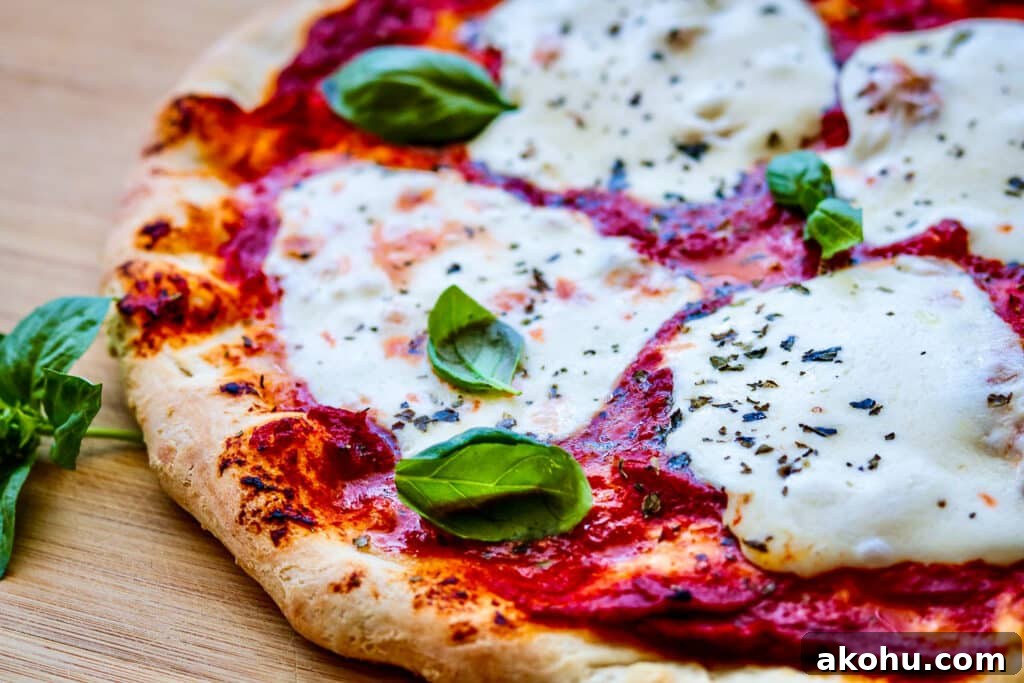
You can also assemble and bake directly on a copper mat for easy cleanup—just remove the mat before cutting to protect it.
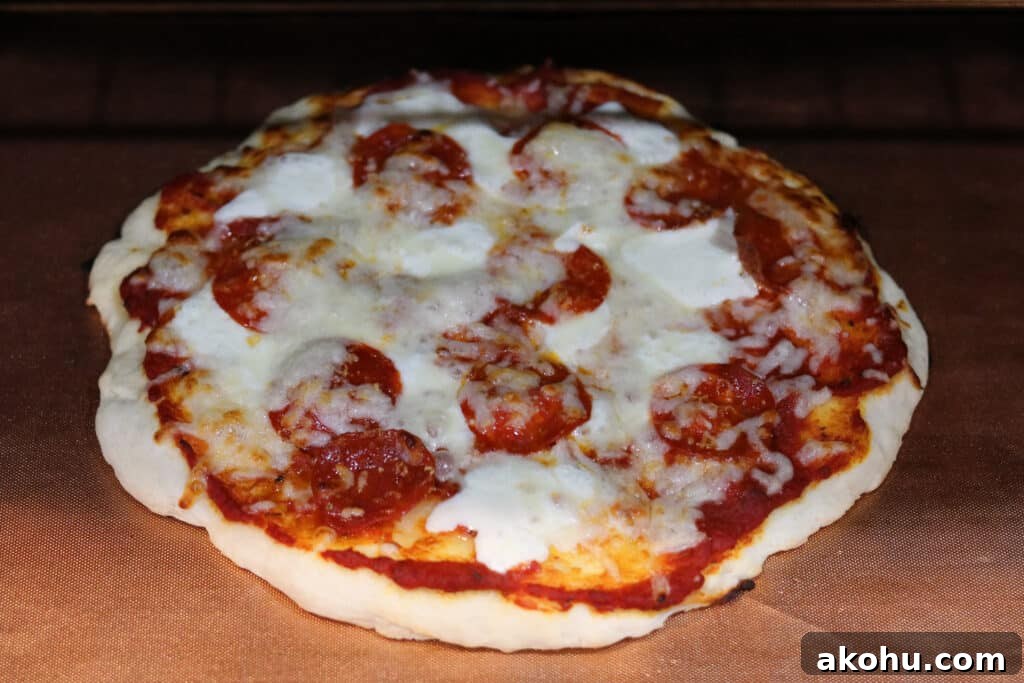
Serving suggestions for homemade pizza
Offer finishing condiments and let people customize their slices. Favorites include:
- Freshly grated Parmesan
- Hot honey
- Crushed red pepper flakes
- Calabrian chiles
- Pickled jalapeño slices
- Hot sauce
- Basil pesto
- Marinated red onions
If you’re grilling, consider grilling a salad alongside your pizzas for a complete summer meal.
Questions and Tips
Yes. Using all-purpose flour for the whole recipe works fine. Bread flour will create a chewier crust if you prefer that texture.
Yes. After the two-hour rise, divide the dough into quarters, form balls, and freeze. Each ball yields about a 10″ pizza. Thaw completely and bring to room temperature before stretching and baking.
This recipe is designed for wheat flours. For gluten-free alternatives, use a tested gluten-free pizza crust recipe from a dedicated source.
Yes. Adding dried herbs, garlic powder, or brushing with olive oil and herbs before topping is encouraged for extra flavor.
Store leftovers in zip-top bags or a covered container in the refrigerator for up to three days.
Reheat on the stovetop in a nonstick pan over medium-low heat, in the oven loosely wrapped in foil, or in a toaster oven to maintain crispness.
If you try this recipe, please leave a comment to help other readers. We appreciate your feedback!
All content and photographs ©Claudia’s Table and claudiastable.com

Perfect All Purpose Pizza Dough
Ana Coronado
September 10, 2023
Equipment
- 2 Large bowls
- 1 quick read thermometer
- Pizza stone (recommended)
- Cookie sheet (can be used as a peel)
- Stand mixer with dough hook (optional)
- Pizza peel (optional)
- Copper mats (optional)
Ingredients
- 3 cups bread flour, unbleached (spooned and leveled)
- 2 cups all-purpose flour, unbleached + extra for kneading
- 1 teaspoon active dry yeast
- 1 tablespoon sugar (or honey)
- 1 tablespoon kosher salt (or 2 tsp table salt)
- 1 3/4 cup warm water (110–120°F)
- 5 tablespoons extra virgin olive oil – divided
- 1 cup cornmeal for baking
- 1 tablespoon olive oil (optional)
- 1 teaspoon dried Italian herbs (optional)
Instructions
How to prepare pizza dough
- In a large bowl, combine flours, yeast, sugar, and salt. Mix well.
- Add warm water and 2 tablespoons olive oil. Stir until combined; the dough will be shaggy.
- Coat the second large bowl with 1 tablespoon olive oil and set aside.
- Generously flour your kneading surface (skip if using a stand mixer).
- Turn the dough onto the floured surface and knead by hand for 4–5 minutes until smooth and elastic.
- Place the dough ball in the oiled bowl, turn to coat, cover tightly, and let rest in a warm place for 2 hours.
How to stretch pizza dough
- Place the pizza stone in a cold oven or grill and preheat for 30 minutes before baking.
- Divide the risen dough into 4 equal pieces and form balls. Let them rest while preheating.
- Dust a peel with cornmeal and stretch one dough ball into a 10″ circle on a floured surface.
- Use gravity to help stretch the dough by holding and gently pulling as needed.
How to prepare pizza for baking
- Dust the peel or cookie sheet with cornmeal, place the stretched dough on it.
- Optional: brush with olive oil and sprinkle herbs.
- Spread about 1/4 cup pizza sauce, add cheese and toppings sparingly.
How to bake pizza
- Slide the pizza onto the preheated stone and bake. On a grill, check at 6–8 minutes; in a 500°F oven expect about 10–12 minutes.
- Remove the pizza, place on a cutting board, slice, and finish with Parmesan or red pepper flakes.
Notes
Nutrition
Nutritional information is calculated online and should be used as a guide.
All content and photographs ©Claudia’s Table and claudiastable.com
Check out our New & Delicious posts below
- The Easiest And Most Delicious BBQ Chicken Pizza
- Easy Mexican Shrimp Cocktail (Coctel de Camarones)
- Flavorful Roasted Cauliflower Salad Recipe
- Bacon Onion Jam with Chipotle
- Chicken cutlets with Creamy Tomato Orzo (30 minutes!)