If you’ve been reading my blog, you’ve probably seen me mention CSAs several times. You might be wondering what a CSA is and why I’m such an enthusiastic supporter.
CSA stands for Community Supported Agriculture, which is exactly what it sounds like: a farm or agricultural operation supported directly by members of the local community.
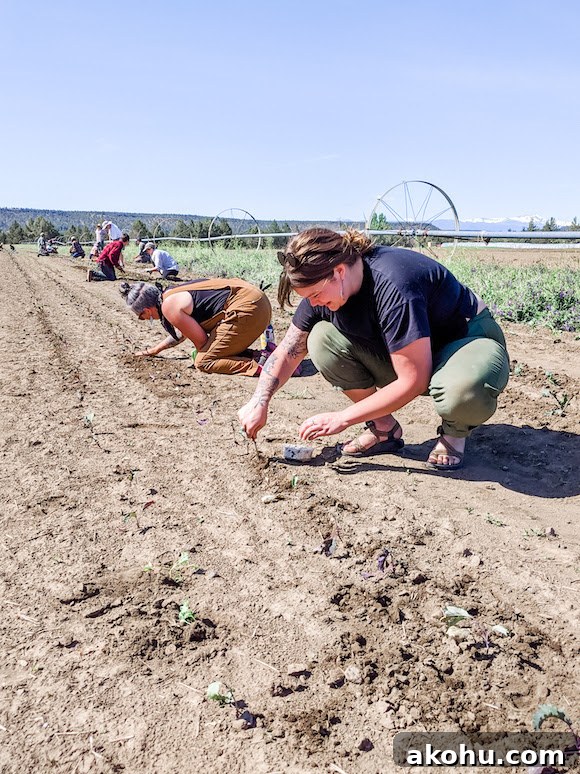
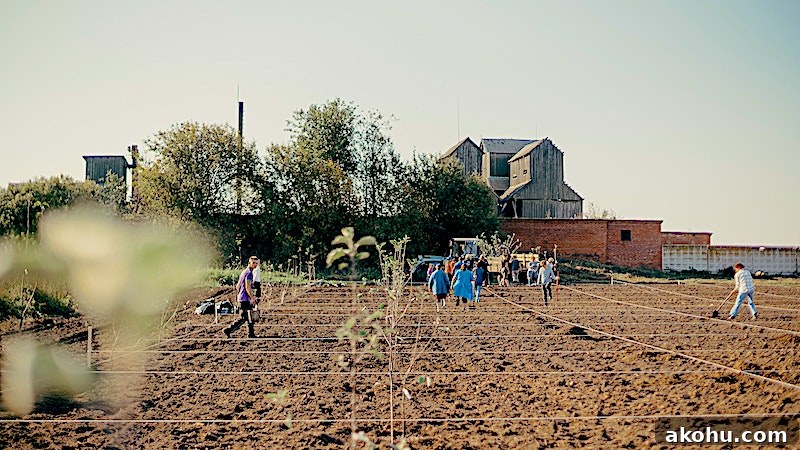
Communities support farms in many ways. I help by spreading the word about CSAs and by pitching in when the farm needs hands. Earlier this spring my local farm was hit by a severe hailstorm. I joined dozens of neighbors for a workday to repair greenhouses and salvage the season’s crops. That collective effort helped the farm recover and preserved the harvest for CSA members.
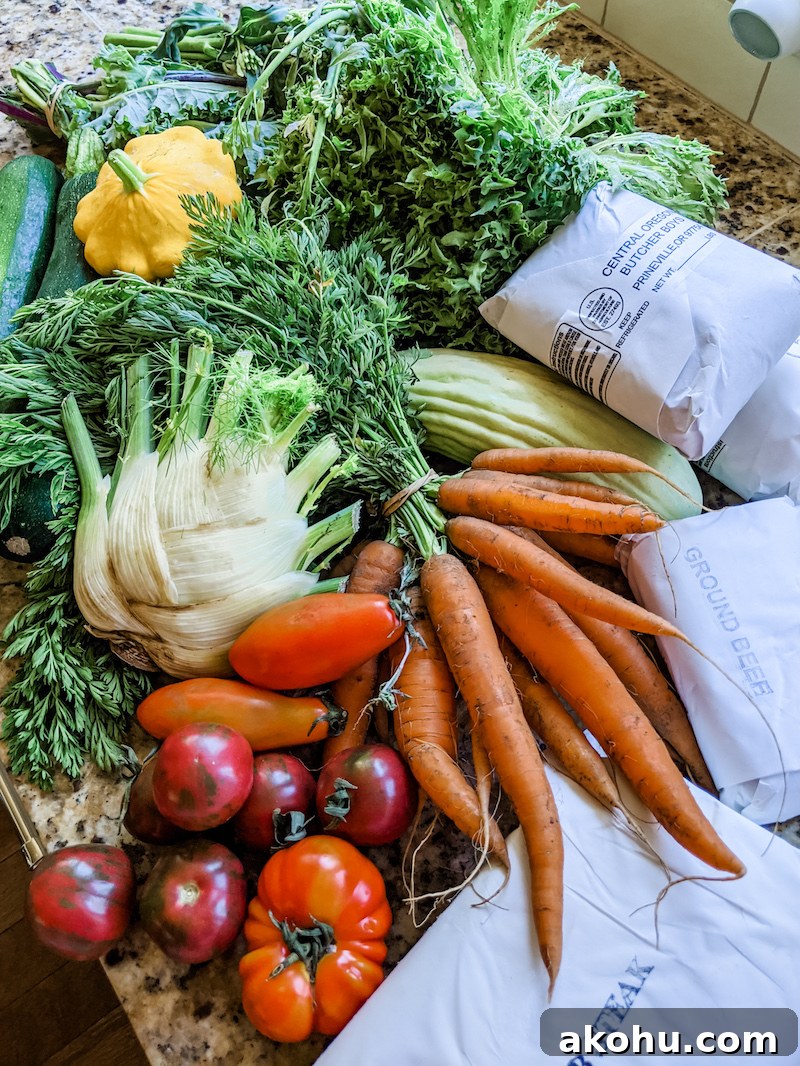
The most common way people support farms is by buying CSA shares. A CSA share entitles a member to a portion of whatever the farmer produces that season. Farms offer shares in a wide variety of products: vegetables, fruits, meat and poultry, dairy, grains, flowers, and even yarn spun from local sheep. These arrangements let consumers connect directly with the source of their food and other farm goods.
For the past two years I’ve been a member of Rainshadow Organics, a certified organic, diversified farm that grows vegetables, raises poultry and livestock, and produces eggs, flowers, and grains. The small summer vegetable and meat share I picked up this week already provides a generous supply of healthy food for my household.
Why CSAs Are Good for Farmers
Local farming is hard work and carries real financial risk. Farmers invest labor, equipment, and money into crops that can be lost to weather, pests, or other unpredictable events. Most local farmers farm because they love the land and believe growing food for their community matters—not to get rich.
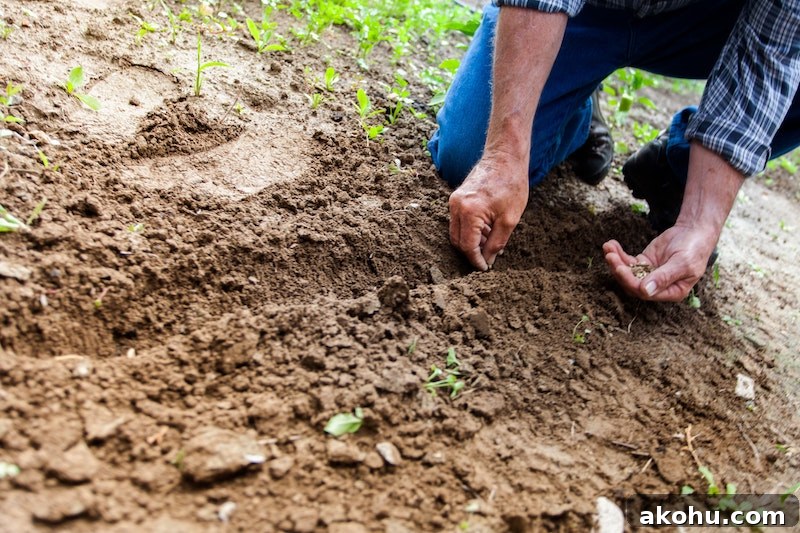
When people buy CSA shares up front, they share that risk with the farmer. Upfront payments help stabilize farm income, allowing farmers to plan for the season, cover supplies and payroll, and sustain operations even if yields vary. That predictable support makes it easier for small farms to survive and continue producing responsibly grown food.
CSAs Build Community Accountability
There’s risk for members too: if a crop fails they may receive less than expected. After the hailstorm our farmer worried shares would be meager and apologized to members. Instead, the community rallied to help save what we could, and the season turned out far better than feared. That willingness to invest time and effort is a hallmark of CSAs. When the community shares in the farm’s fortunes, people become personally invested in its success.
That’s the community in Community Supported Agriculture—neighbors working together for mutual benefit.
Why CSAs Are Good for You
Participating in a CSA reconnects you with where your food comes from and with your neighbors. For me, that connection brings joy and a stronger sense of belonging. There are also clear practical benefits.
When I prepare food from my CSA share, I know who grew it and how it was grown. Because my farm follows certified organic practices, I can trust that the produce is free from synthetic pesticides and chemical residues. That gives peace of mind about the food my family eats.
Knowing the farmer personally also means I can trust the soil-building practices they use. Farms that prioritize soil health produce more nutrient-rich food over time, which matters for long-term health and sustainability. CSAs support environmentally responsible farming while offering better-quality food.
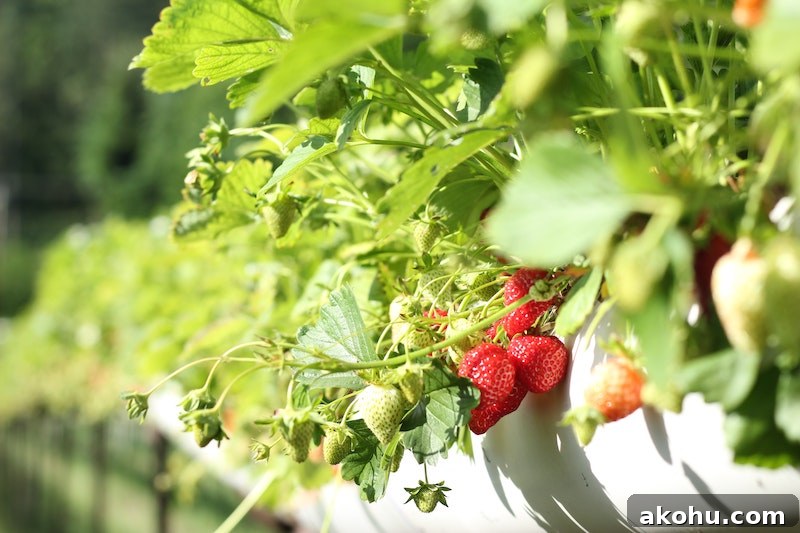
The vegetables from my CSA taste exceptional because they’re fresh. Lettuce and tomatoes I pick up midweek were still in the field the day before—there’s no fresher option except growing your own. That freshness translates directly into flavor and nutrition.
CSAs also make me a more adventurous cook. Farmers often grow heirloom and unusual varieties you won’t find at the supermarket. Each week’s share may include familiar favorites or unfamiliar vegetables that encourage trying new recipes. Before joining a CSA I’d never roasted radishes or cooked kohlrabi; now they’re regular and welcome parts of my meals. The variety has expanded my culinary repertoire and made cooking more fun.
The Real Value of a CSA
Buying a CSA share is a partnership: members accept some risk alongside the farmer. That partnership proved especially valuable during the early days of the pandemic, when grocery store shelves were often empty. My CSA provided a steady source of meat, poultry, and stored root vegetables, which was both reassuring and practical.
CSA produce can cost a bit more than supermarket items, but you’re paying for greater freshness, superior taste, trustworthy growing practices, and a direct relationship with the farm. For me, that combination is worth the price—my CSA share delivers food that’s healthier, tastier, and more reliable than what I’d otherwise find at the store. In many ways, that value is priceless.