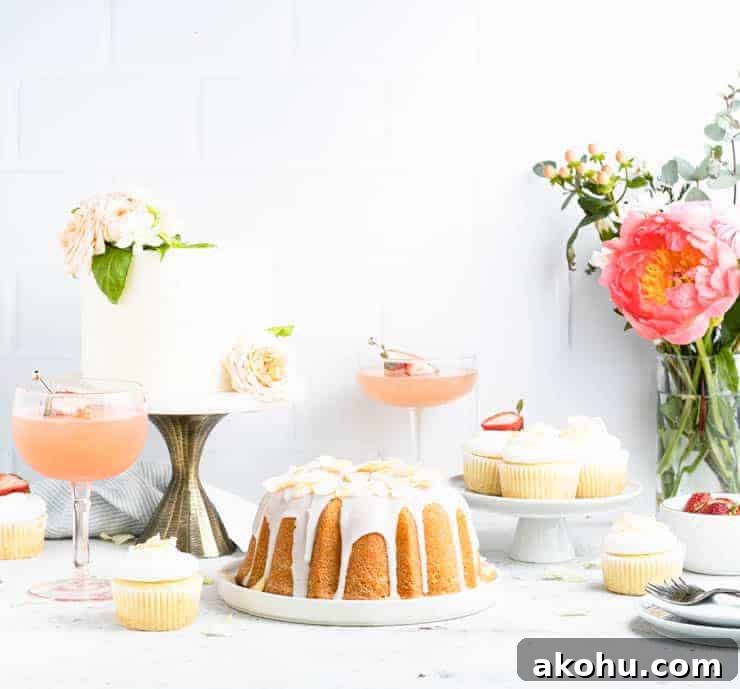
Flowers bring a fresh, colorful touch to cakes, but using them safely requires a bit of care. This guide explains which flowers are appropriate, how to prepare and source them, and alternatives if you prefer not to place fresh blooms directly on your cake.
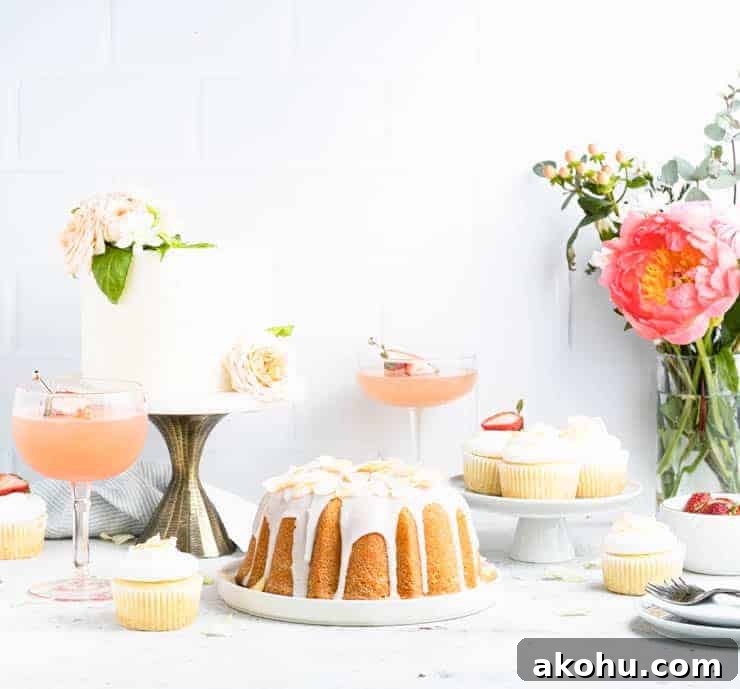
Decorating cakes with flowers is a popular trend, but food safety should always come first. When flowers are chosen and handled properly, they can be both beautiful and safe. Read on for practical advice on selecting, preparing, and arranging flowers so your cake looks stunning without compromising safety.
Edible vs. non-toxic flowers
When selecting flowers for a cake, you’ll generally encounter two categories: edible flowers and non-toxic flowers. Edible flowers have been grown and handled specifically for consumption. Non-toxic flowers either aren’t meant to be eaten but are safe to touch food, or are edible varieties that weren’t grown under food-safe conditions.
Always research the specific flower variety you intend to use, since not every variety of a given species is safe to eat. If you’re unsure about a plant’s toxicity, it’s best to leave it off your cake.
Below are examples of commonly used flowers in each category. This is not an exhaustive list, so double-check any blooms you plan to use.
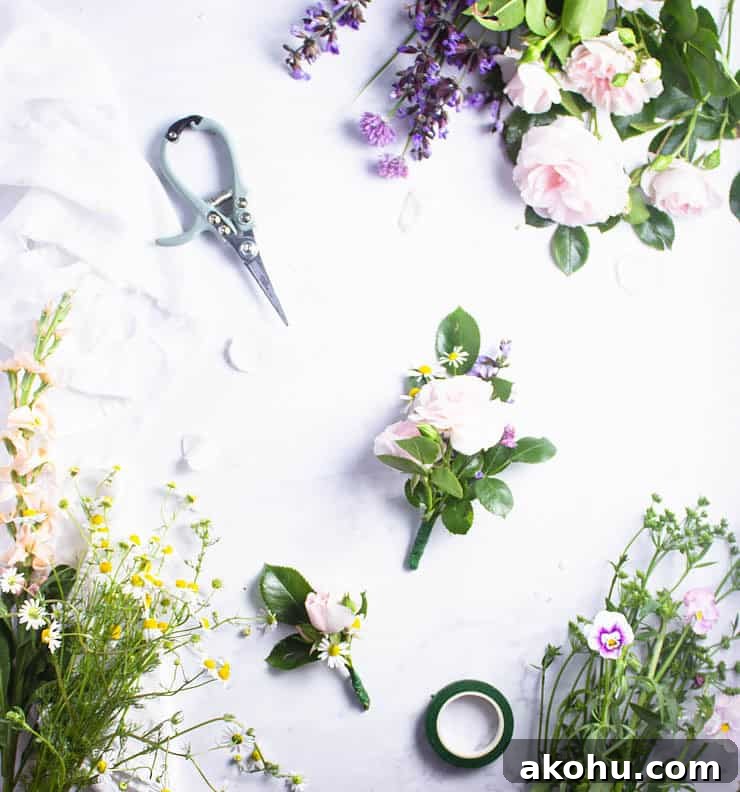
Examples of edible flowers: Snapdragons, lavender, pansies, sunflowers, roses, violas, nasturtiums, hibiscus, calendula, begonias, carnations, dahlia, chamomile, chrysanthemum, and alyssum. Note that not every variety of these species is edible, so confirm the specific variety.
Flowers that are not edible but are safe for cake contact: Freesia, gerbera, strawflowers, lisianthus, camellia, African violets, and viburnums.
Flowers to avoid: Lily of the valley, daffodils, hydrangea, poinsettia, calla lilies, foxgloves, azaleas, and rhododendrons.
Sourcing flowers
You can source flowers from florists, local flower farms or markets, or purchase them online. For edible flowers intended for eating, buy from reputable culinary suppliers. Local growers and small flower farms are often the best option for reliable information about growing practices, and they may use fewer or no pesticides.
When buying flowers, ask the vendor about growing methods, pesticide use, and harvest timing so you can assess safety and freshness.
Questions to ask your florist or grower
- Are these flowers locally grown? Locally grown flowers often come with more information about how they were produced and are usually fresher.
- Are these flowers organic or pesticide-free? Choose organic or pesticide-free blooms when possible to reduce the risk of harmful residues.
- When were these flowers harvested? Freshly cut flowers will last longer and look better when placed on your cake.
Picking up flowers in advance
Ideally, pick up flowers as close to the event as possible. If you must collect them a day or two early, store them in a cool place and avoid adding plant food to the water. Keep them hydrated and handle gently to minimize wilting.
How to safely decorate a cake with flowers
Equipment you’ll need:
- A finished cake
- Cake-safe flowers
- Scissors or floral shears
- Floral tape (or an approved alternative)
1. Clean the flowers.
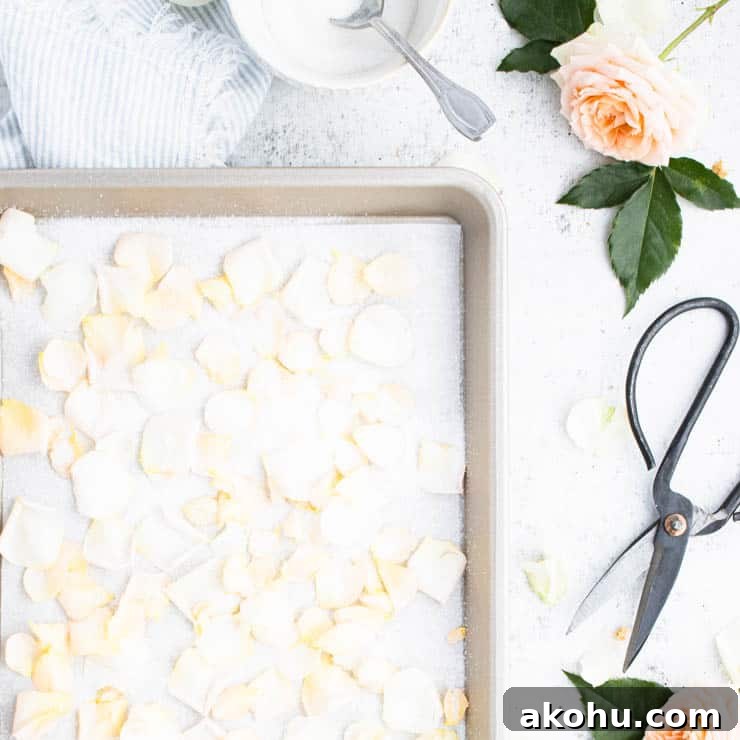
Trim stems to the desired length, remove any damaged petals or foliage, and rinse blooms gently in cool, soapy water. Pat dry with a soft towel.
2. Wrap the stems.
Use floral tape to wrap the portion of the stem that will be inserted into the cake. Stretching the tape slightly activates its adhesive; wrap down to the cut end, fold over, and twist back toward the bloom to create a secure barrier. This prevents plant juices from seeping into the cake. You can wrap stems individually or group several blooms together depending on your arrangement.
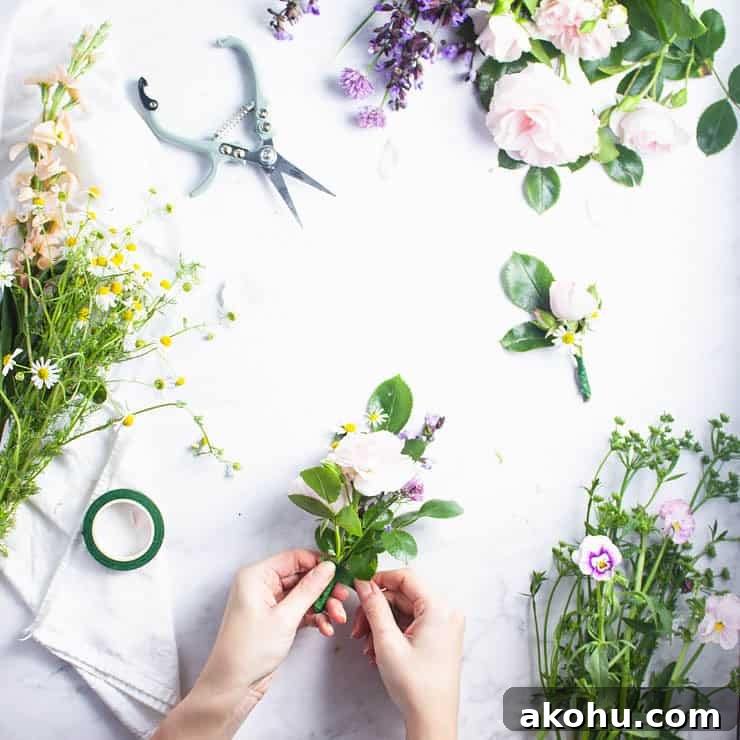
3. Arrange the flowers on the cake.
Insert the wrapped stems into your cake in the desired arrangement. Loose, clean petals can also be used as a decorative option. For extra protection, insert stems into food-safe straws or tubes (such as boba straws) before placing them in the cake—this helps prevent any contact between cut stems and the cake and can support flowers at specific angles.
Wrapped flowers usually stay fresh for 6–8 hours when refrigerated and a few hours at room temperature. Plan your timing accordingly for best presentation.
Alternatives to placing fresh flowers directly in your cake
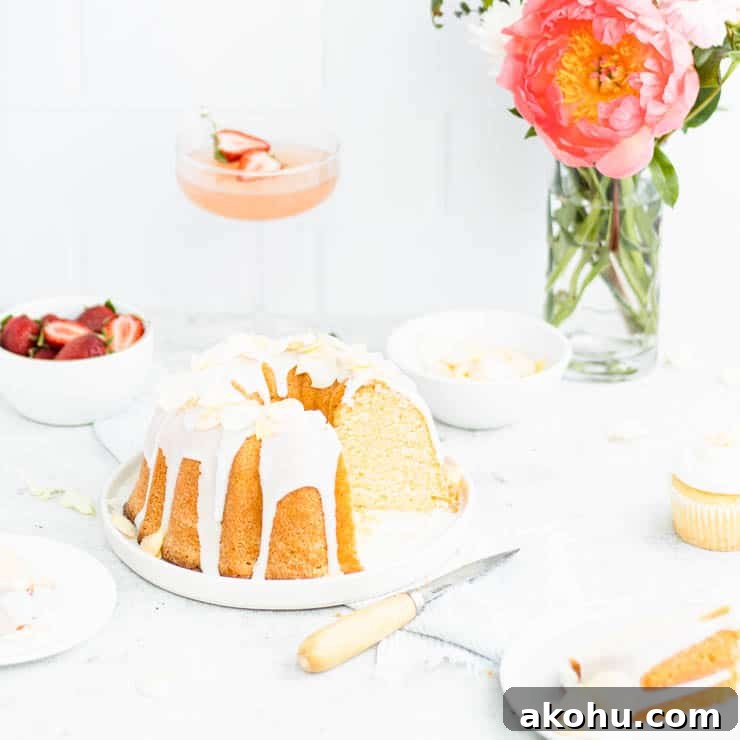
Place flowers around the cake. If certain blooms aren’t food-safe, arrange them around the cake as a garland or in vases nearby instead of on the cake.
Use floral foam between tiers. For tiered cakes, insert flowers into clean, food-safe foam between layers rather than directly into the cake. Confirm that any petals touching cake surfaces are safe for contact.
Use artificial or edible sugar flowers. Realistic fake flowers, buttercream, or fondant blooms give the same visual impact without food-safety concerns. If using artificial flowers, make sure they are clean before placing them on the cake.
Frequently asked questions
Edible and non-toxic flowers can be used safely when they are properly prepared and handled.
Wrap stems with floral tape or place them in food-safe tubes or straws before inserting into the cake to create a protective barrier and support.
Wrapped flowers typically last 6–8 hours refrigerated and a few hours at room temperature.
If floral tape isn’t available, you can use plastic wrap and food-safe straws or tubes to isolate stems from the cake.
If you liked this post, you might also like…
- How to frost a cake
- Basic cake recipe + 6 variations
- Everything you need to know to make meringue
- 10 ways to upgrade your boxed cake mix