Getting bread to rise in cold weather can be challenging, and sometimes you simply want to speed up the process. Use these practical tips to make dough rise faster so your rolls and loaves finish sooner.
How to make bread rise fast
Here are quick, effective ways to help bread dough rise faster. Read on for details, tips, and safe methods you can use at home.
- Proof the dough in a warm place: inside the oven, microwave with steam, on a heating pad, in an Instant Pot, or on top of the water heater
- Add a little extra yeast or use rapid-rise (instant) yeast
- Warm both your dry and wet ingredients before mixing
- Increase gluten by using bread flour or adding vital wheat gluten
- Use a dough enhancer to boost yeast activity and texture
- Make bread on dry days when atmospheric moisture is lower
What does bread need to rise properly?
To rise well, bread needs an active leavening agent (usually yeast), adequate moisture, and a warm, stable environment. An ideal temperature range for proofing is roughly 72–77°F (22–25°C).
When mixed, yeast consumes available sugars in flour and produces carbon dioxide. That gas becomes trapped in the gluten network, forming the pockets and structure we expect in bread. Warmer temperatures speed yeast activity, but too much heat will kill the yeast or begin baking the dough. Controlling the temperature and humidity will help you get consistent, faster rises.
Oven
Using your oven as a proofing environment is simple and reliable. Keep it warm, not hot. A too-hot oven will start baking the dough instead of allowing it to rise.
If your oven has a proof setting, use it. Otherwise, turn on the oven light, place a greased, covered bowl of dough on the middle rack, and close the door. Another option is to place a bowl of boiling water on a lower rack to add humidity; keep the oven closed to retain the steam.
Microwave
Create a warm, steamy micro-environment by heating one cup of water in a glass measuring cup until it boils, then placing the bowl of dough beside the hot cup inside the microwave. Close the door and let the retained steam and warmth encourage the dough to rise. Do not run the microwave while the dough is inside.
Slow cooker
Fill the slow cooker halfway with water and set it to the lowest setting. Turn the lid upside down, cover with a folded towel, and place the greased glass bowl of dough on top of the towel-covered lid. The warm water will gently radiate heat upward. Cover the dough tightly with plastic wrap to retain moisture and prevent a skin from forming.
Instant pot
An Instant Pot on a low setting provides a controlled warm space. Line the pot with greased parchment, place the dough inside, set to a low temperature, and cover with a clear lid so you can monitor the dough. Check after 30 minutes and then every 10 minutes until the dough has doubled.
Heating pad
Place a folded towel over a heating pad set to low, then set a covered glass bowl of dough on top of the towel. The gentle, steady warmth helps yeast work faster without risking overheating.
Top of the water heater
The top of a water heater can serve as an improvised proofing spot. Use the lowest thermostat setting, place a covered glass bowl on top, and monitor until the dough meets the recipe’s rise expectation (usually doubled). Avoid metal bowls, which get too hot, and plastic bowls, which can warp or melt.
Special proofing oven
A dedicated proofing box or proofer controls temperature, humidity, and airflow, creating a consistent environment for reliable rises. These units are useful if you bake often, especially in cold climates, because they remove guesswork and provide repeatable results.
Add more yeast
If your dough is sluggish despite warmth, you can boost yeast activity by dissolving about 1/2 teaspoon of fresh yeast in a few tablespoons of warm water until foamy, then incorporating it into the dough and allowing it to rise again. Use this cautiously: too much yeast can overproof and collapse the dough, leading to dense or flat loaves.
Use rapid rise yeast
Rapid-rise (instant) yeast speeds up fermentation and usually eliminates the need for an initial proof. It mixes directly with dry ingredients and dissolves quickly when liquid is added. You can typically substitute instant yeast for active dry yeast at a 1:1 ratio. With instant yeast, many bakers skip the first rise and shape the loaf immediately.
Warm the dry ingredients
Warming dry ingredients before mixing can help when your pantry or flour is cold. Use a double boiler or set a glass bowl of dry ingredients over a simmering saucepan for a few minutes until slightly warmed. This brings the overall dough temperature up and encourages yeast activity sooner.
Use bread flour
Bread flour contains more protein than all-purpose flour, which means it develops more gluten. Stronger gluten traps more gas and improves rise and structure, producing airier loaves. Substitute bread flour 1:1 for all-purpose in most bread recipes for better rise.
Add gluten flour
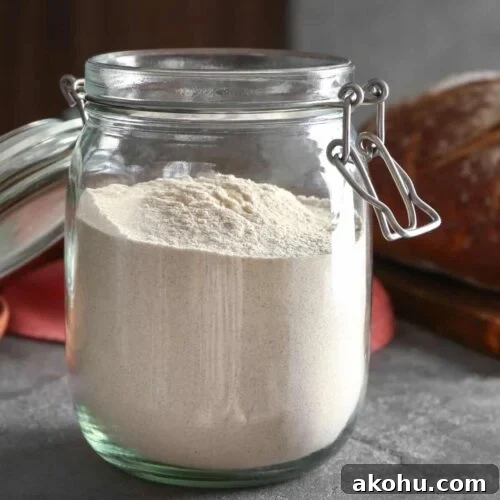
Vital wheat gluten is a concentrated gluten powder that strengthens dough. For whole wheat breads, replace 1 tablespoon of flour per cup with 1 tablespoon of vital wheat gluten; use about half that amount for white breads. This improves elasticity and helps the dough rise higher.
Use a dough enhancer
Dough enhancers (bread improvers) are additives—often natural—that improve rise, texture, and crust. Many are slightly acidic, which can stimulate yeast. Examples include powdered ginger, potato water, wheat gluten, dry milk powder, vitamin C (ascorbic acid), lecithin, and pectin. These can be used sparingly to improve results.
👩🍳 FAQs
Use a proofing box, the oven light method, a microwave with a cup of boiling water, a heating pad, or the top of the water heater. Warm cold dry ingredients using a double boiler or a glass bowl over simmering water before mixing.
Common reasons are water that was too hot (over ~115°F/46°C) which kills yeast, or expired yeast. Use properly tempered water and check yeast freshness.
Active dry yeast needs to be dissolved in warm water with a bit of sugar to activate before use. Rapid-rise (instant) yeast dissolves and activates much faster and can be mixed directly with dry ingredients.
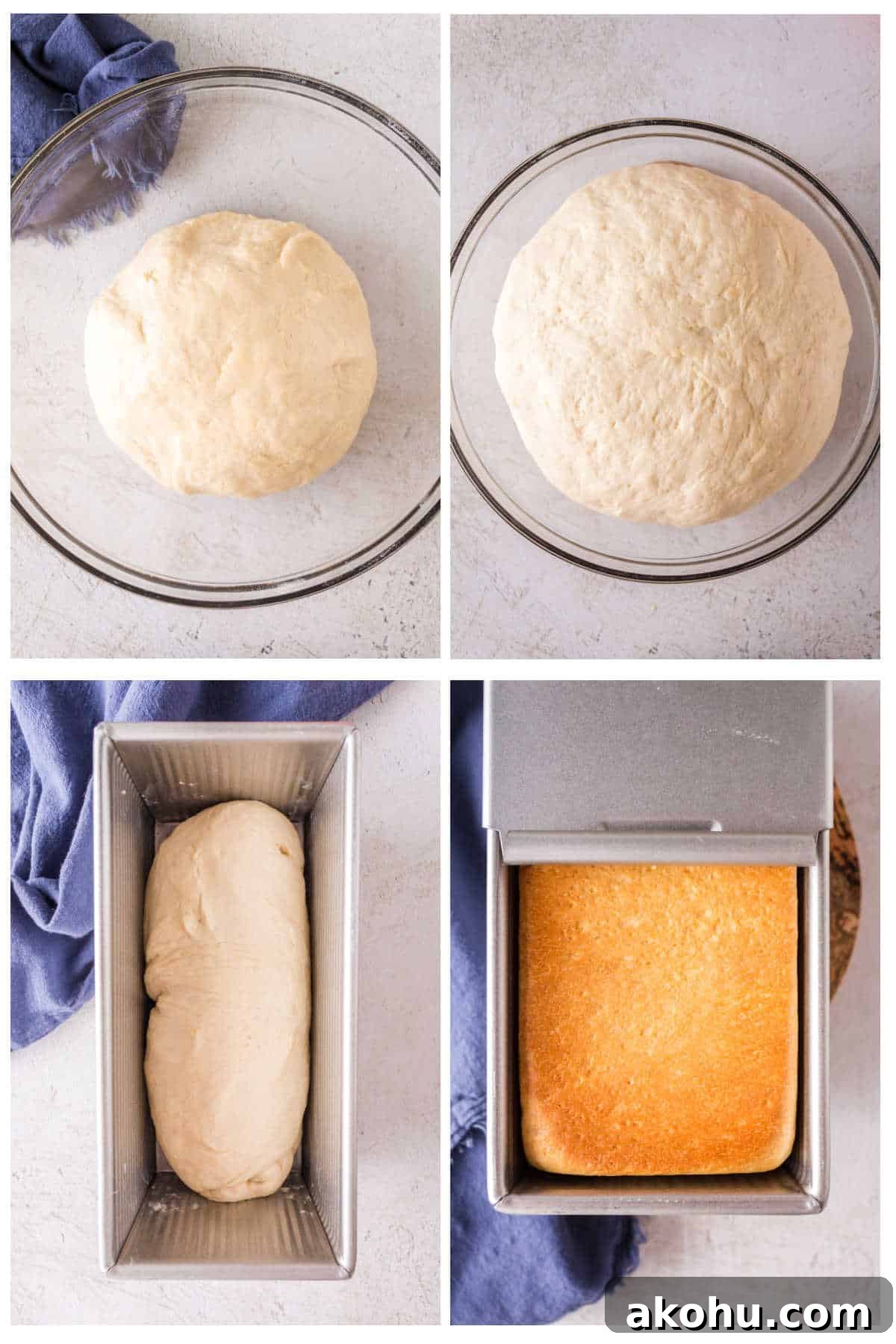
A second rise improves elasticity, develops flavor, and traps more air for a better crumb and texture. It takes more time but usually produces the best results.
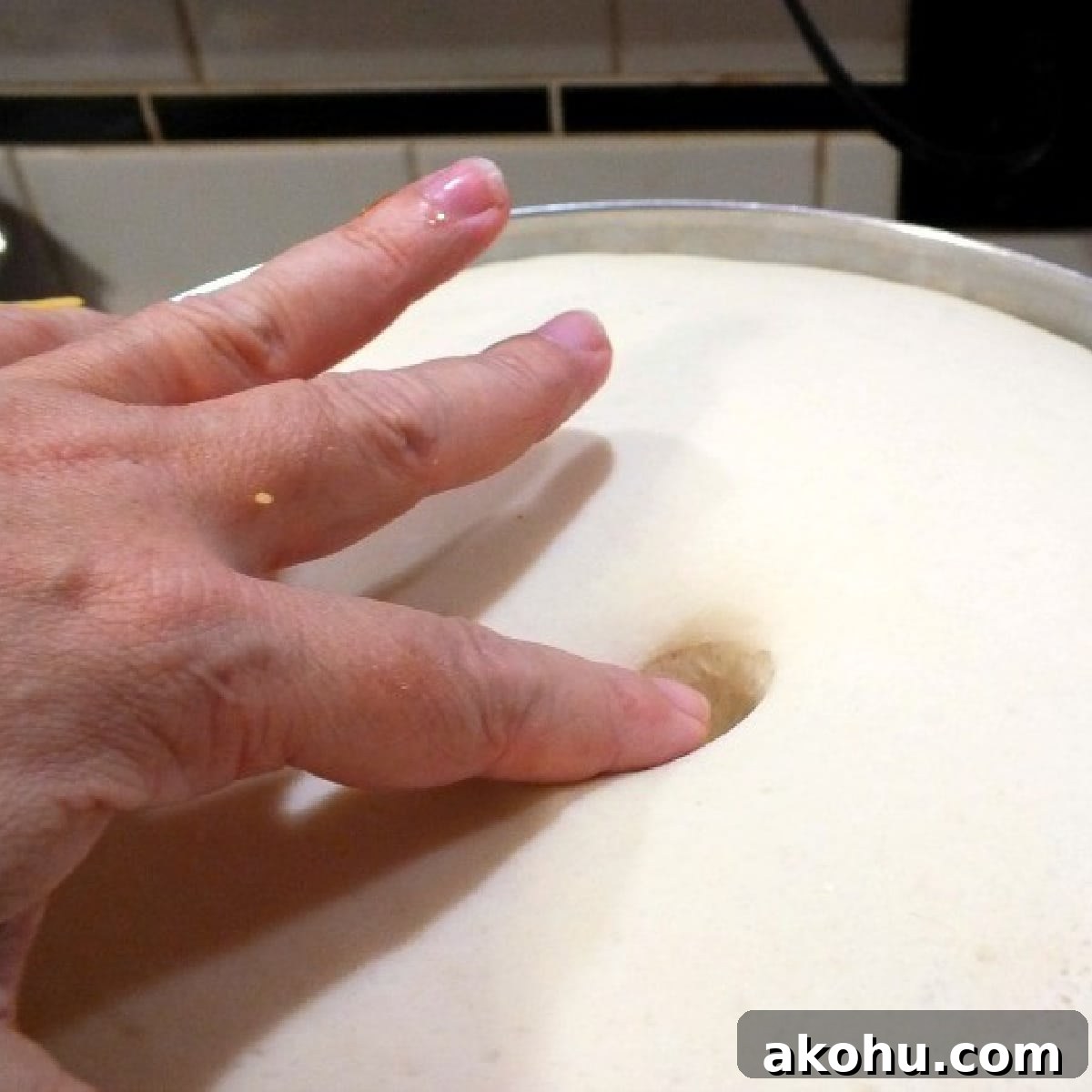
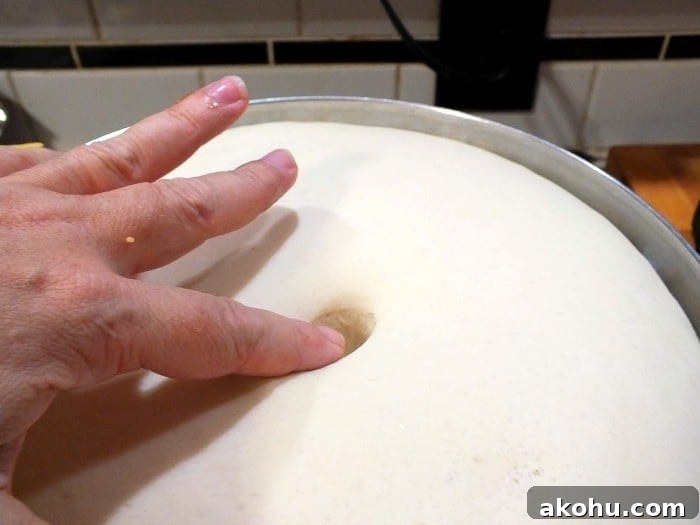
Use the poke test: lightly flour a finger and press the dough. If the indent remains, the dough is ready to bake. If it springs back quickly, give it more time.
📚 Related recipes
- Farmhouse Bread — a soft, homemade white bread ideal for beginners.
- Sourdough Bread — a straightforward sourdough recipe and starter for home bakers.
- No-Fail Amish White Bread — an easy, sweet white bread kids love.
- Soft Multigrain Sandwich Bread — combines fluffy texture with whole-grain heartiness.
- Homemade Baguettes — a chewy, crusty quick bread option ready in about 30 minutes.
- Beer Pizza Dough — an easy dough with extra flavor for homemade pizza.
- English Muffin Bread — a no-knead yeast bread with the characteristic nooks and craters of English muffins.
-
How to Make Homemade Bread: A Beginner’s Guide
-
Amish White Bread for the Bread Machine
-
No-Fail Amish White Bread
-
Homemade Dough Enhancer Recipe
Atmospheric pressure affects rising!
Weather and atmospheric pressure can influence proofing. High humidity and low atmospheric pressure—common on rainy days—can slow the rise even if the temperature is correct. Conversely, dryer conditions can help the dough rise more predictably.
Baking great bread takes practice and occasional adjustments for ingredients, environment, and altitude. The most important part is to enjoy the process and learn from each loaf.