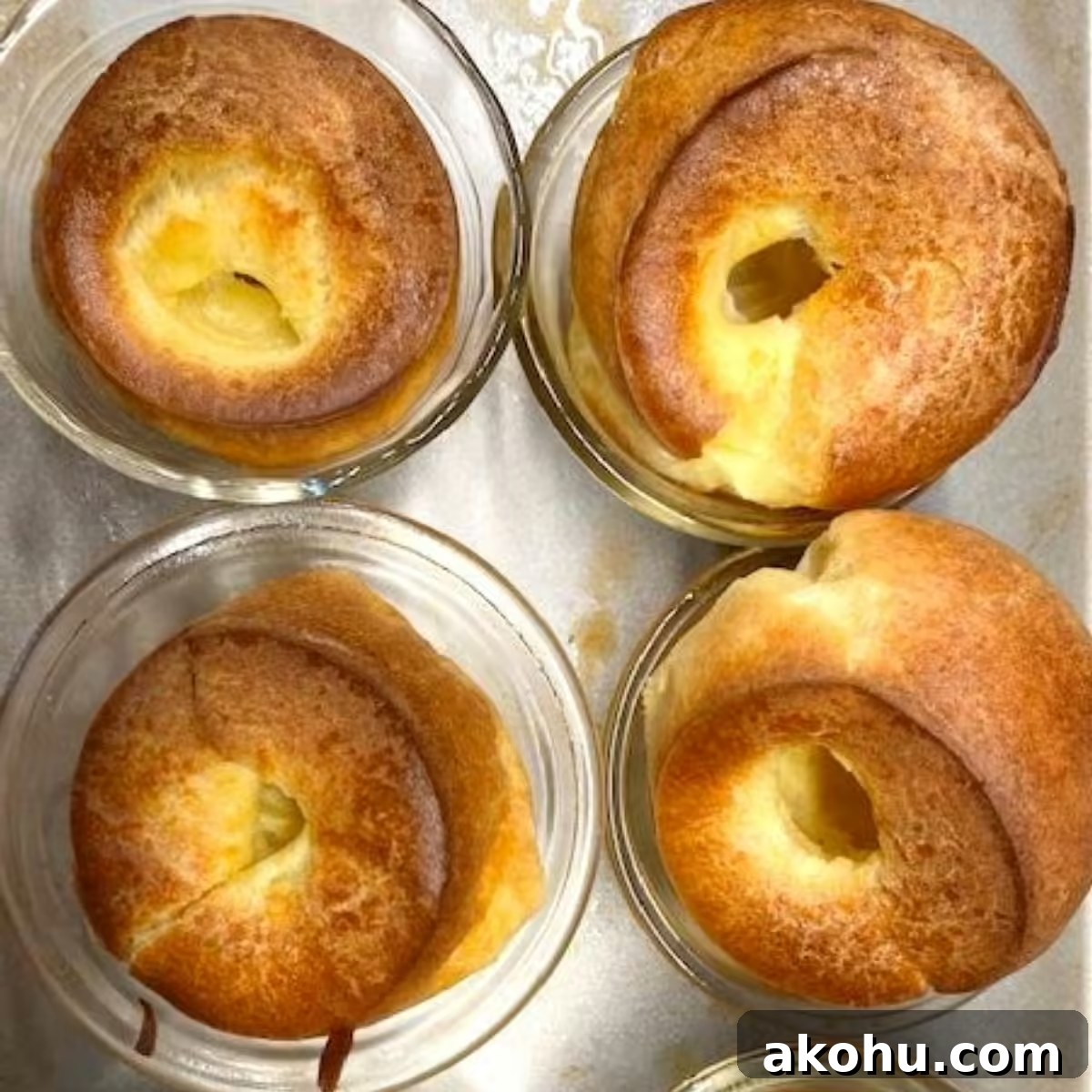
A Perfect Way To Try This Classic British Side Dish
You may not have tried Yorkshire pudding before, or you might think it’s something eaten with a spoon. This small-batch Yorkshire pudding recipe is an easy, reliable way to discover what makes these “puds” so beloved in the UK.
Yorkshire puddings are close relations of the American popover—both use a similar batter—but the traditional baking method and serving intent set them apart. Read on for a straightforward approach that produces tall, hollow puddings ideal with roast beef or simply enjoyed with butter.
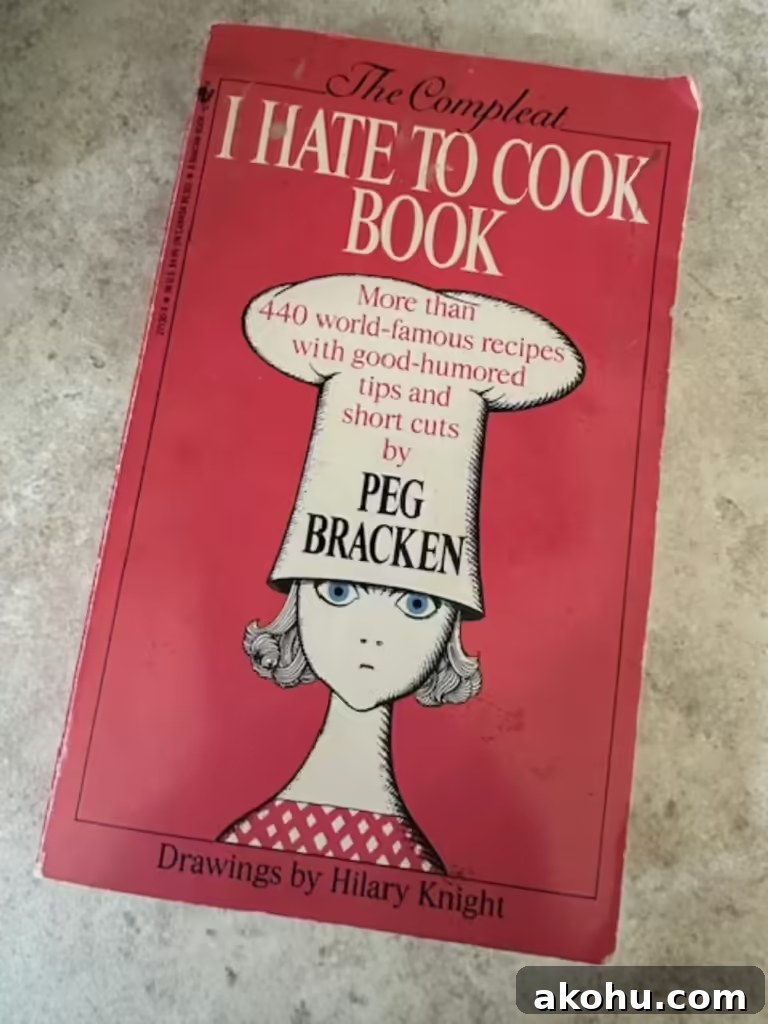
Peg Bracken, in her classic book The Compleat I Hate To Cook Book, famously dismissed the idea that Yorkshire pudding is a difficult test of skill: “No one knows who started the unfounded rumor that Yorkshire Pudding is risky or in any way a test of cooksmanship. These individual puds can be easily made by anyone bright enough to blow her nose.” That encouragement still rings true—this recipe is forgiving and dependable.
I started with Peg’s simple version and adapted it slightly. Her promise that it “would produce splendid Yorkshire Puddings so golden brown and exuberantly puffed-up, it’s almost embarrassing” is right on point.
A Bit Of Yorkshire Pudding History
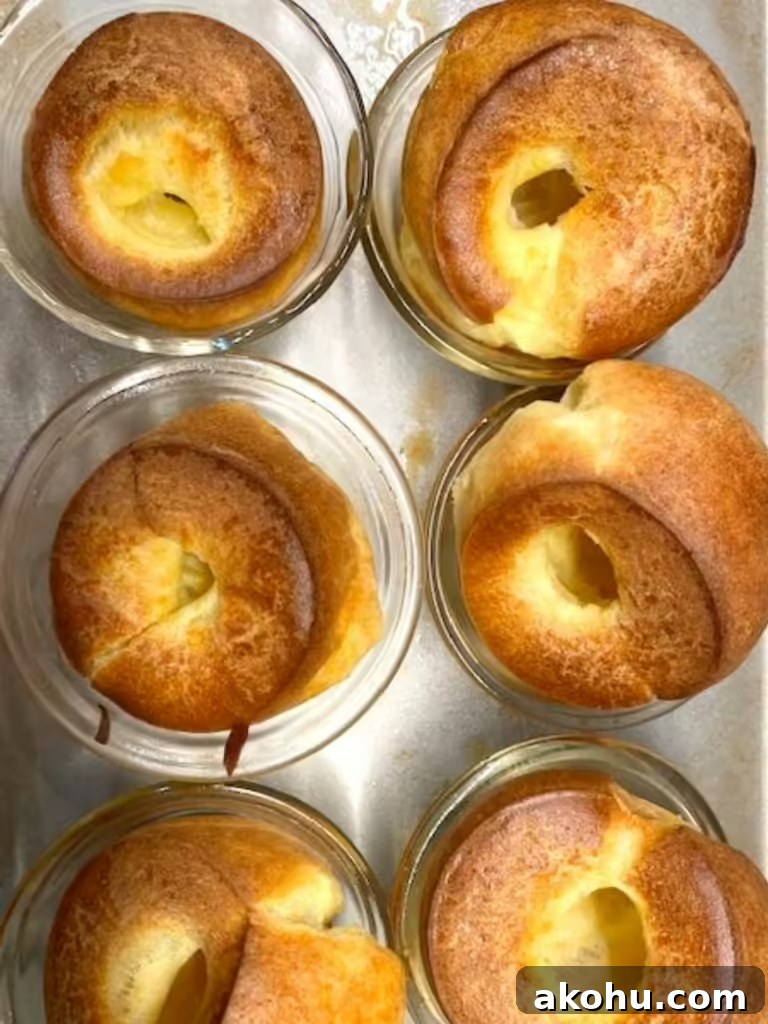
The exact origin of Yorkshire pudding is uncertain, but it is traditionally associated with northern England. The term “Yorkshire” first appeared in print in the 18th century to distinguish the lighter, crispier batter puddings made in that region from other varieties.
Historically, puddings were baked beneath roasting meat so they could absorb savory drippings. Served in slices as a way to stretch meat portions, Yorkshire puddings became a classic accompaniment to roast beef and remain a beloved part of the British roast dinner.
Start By Making A Small Batch Yorkshire Pudding Recipe
There are many opinions about the “right” way to make puds—different egg counts, warm versus cold batter—but this small-batch recipe is a great starting point. The basics are simple: flour, milk, eggs, and salt. Cheap ingredients, little fuss, and quick results.
Experiment to find your preferred texture. Some prefer paler, softer puddings while others like them crisp and deeper brown. This recipe produces tall, hollow puddings with tender interiors and attractive golden exteriors.
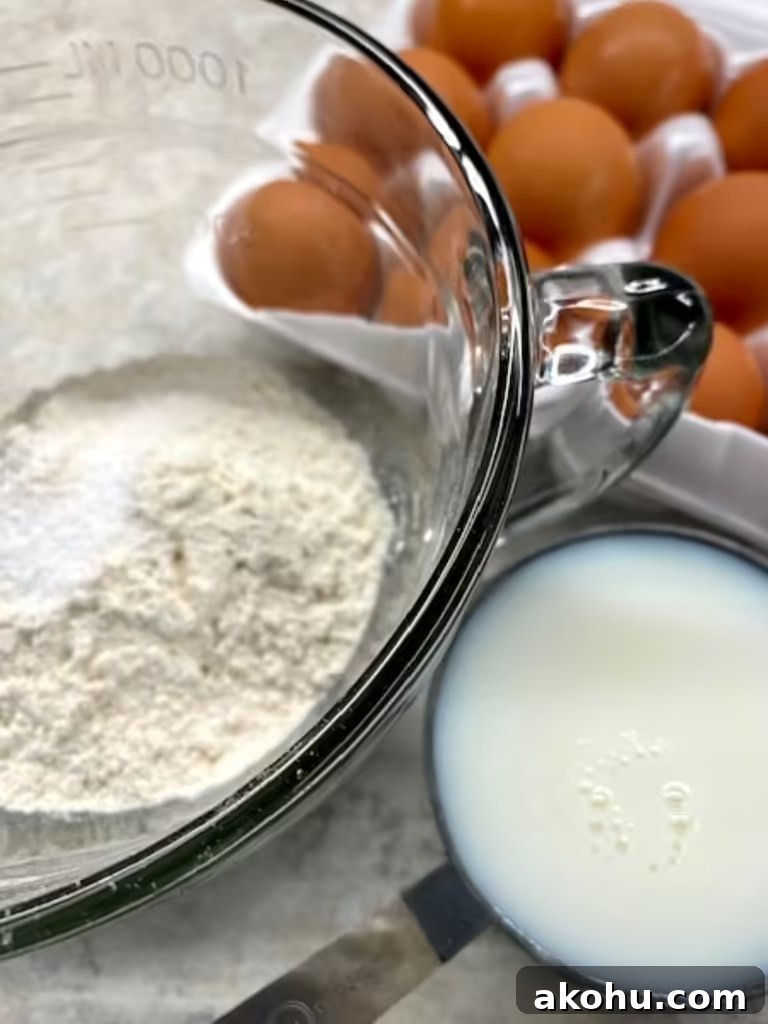
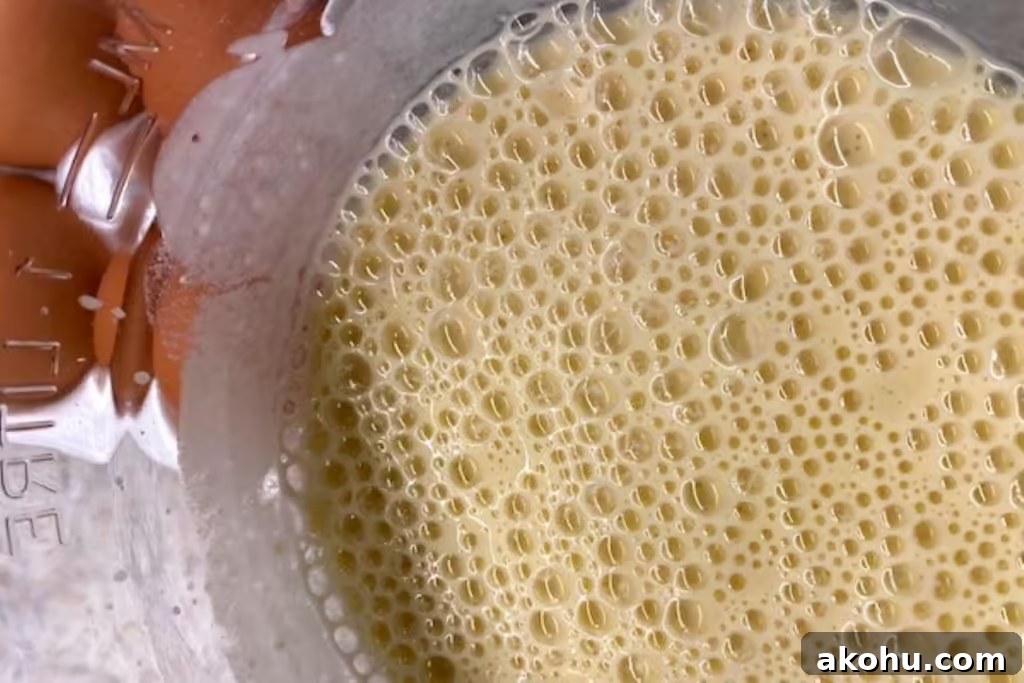
Combine the ingredients in a bowl and whisk until mostly smooth—small lumps won’t hurt. A batter bowl with a pouring lip makes filling the baking cups neat and easy.
Muffin tins, popover pans, or oven-proof custard cups all work well. If you use custard cups, set them on a baking sheet to catch any drips. You can often find useful cups and pans at thrift stores.
How To Bake Your Small Batch Yorkshire Pudding
Put about a teaspoon of fat in each cup. Traditionalists use beef drippings, but olive oil, butter, or shortening will also work. Place the filled pans in a 425°F oven and let the fat get very hot.
Remove the pans briefly, fill each cup halfway with batter, and return them immediately to the oven. The contrast between cool batter and hot fat is what makes the batter rise and form the characteristic hollow center. Watch through the oven window if you like—the rise happens quickly.
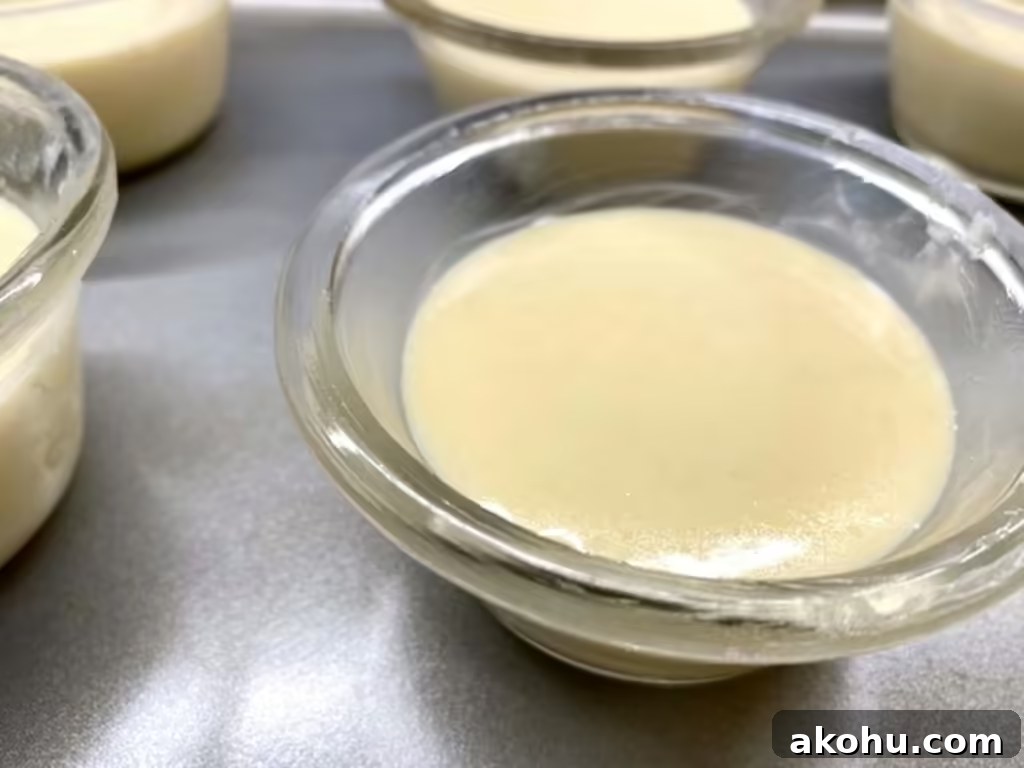
Bake about 25 minutes, or until they reach your desired shade of golden brown. Avoid opening the oven while they rise. Some cooks pierce each pudding to release steam when they come out, but I found that they vent naturally during baking.
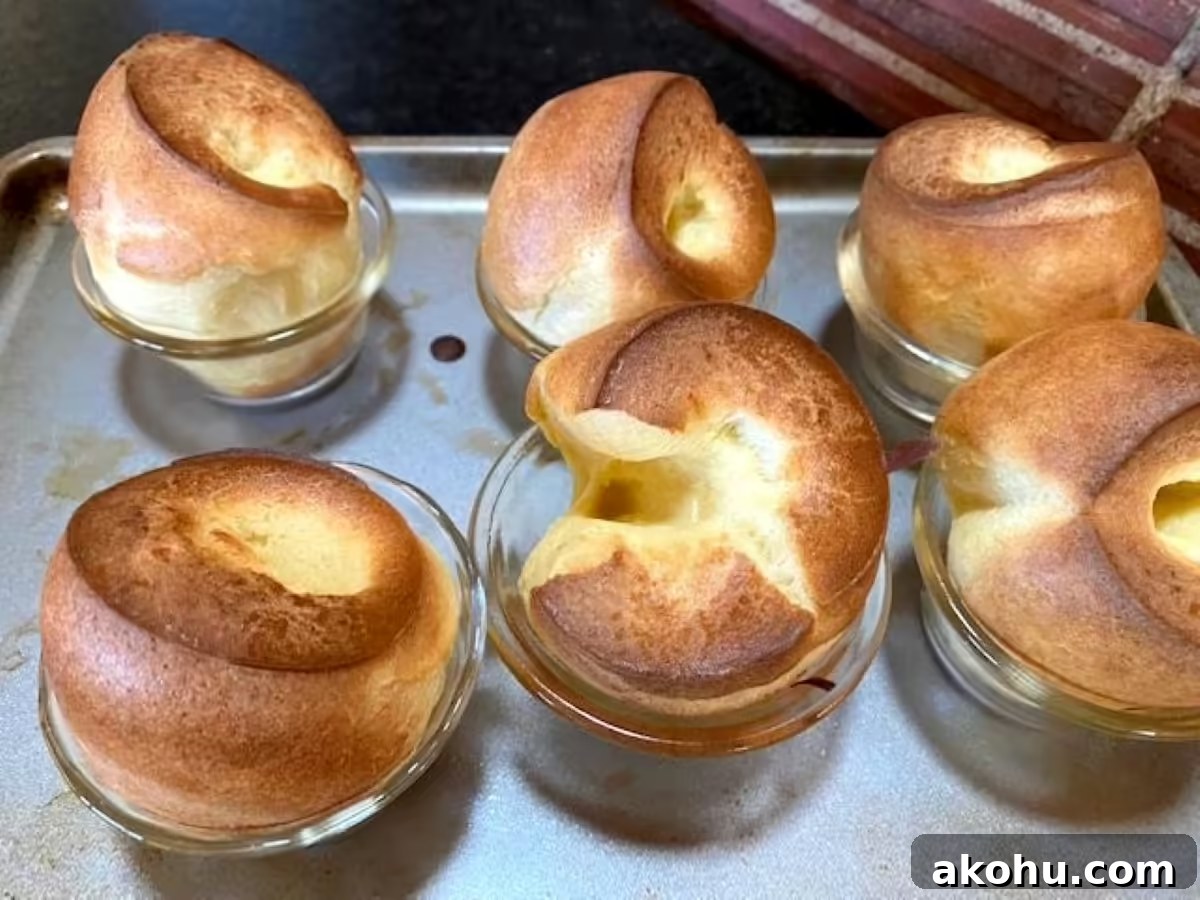
Remove puddings from the oven and serve immediately for the best contrast of crisp exterior and tender inside. To reheat, place them on a cookie sheet in a 350°F oven for 5–10 minutes.
What’s The Difference Between Popovers And Yorkshire Pudding
The batter is essentially the same. The main differences are how they are served and the choice of fat. Yorkshire puddings are typically savory and baked in meat fat or neutral oil; they tend to be softer and paler when baked slightly less. Popovers are often baked longer to be crisper and are commonly served with sweet toppings like butter and jam.
Both are versatile and delicious. Serve puddings with roast beef and gravy for a classic experience, or enjoy popovers with sweet spreads.
PRINTABLE RECIPE CARD
Small Batch High-Rise Yorkshire Pudding
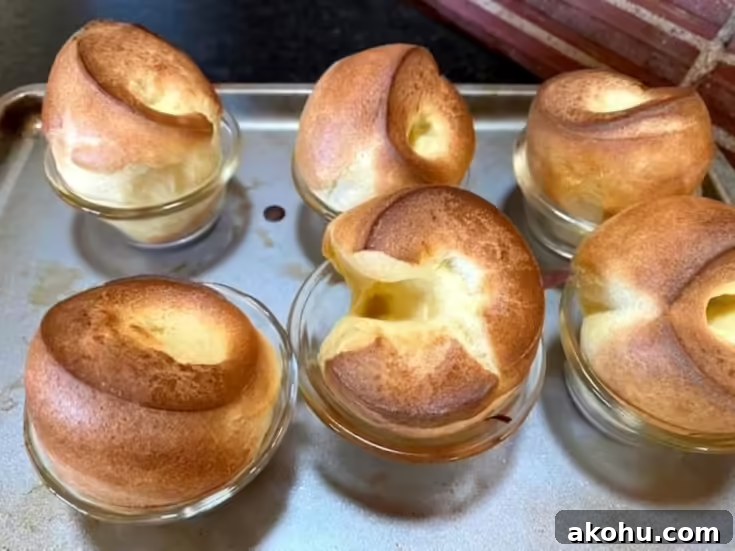
Here is an easy recipe for a small batch of popovers or Yorkshire pudding made from a simple batter of eggs, milk, flour, and salt.
15 minutes
25 minutes
40 minutes
Ingredients
- 1 cup all-purpose flour
- 1/2 tsp salt
- 2 eggs
- 1 cup milk
- Fat for baking: beef drippings, olive oil, shortening, or butter
Instructions
- Preheat the oven to 425°F (220°C).
- Whisk flour, milk, salt, and eggs in a medium bowl until mostly smooth.
- Set the batter aside while the oven and fat heat.
- Put about 1 teaspoon of fat in each cup or muffin tin and heat in the oven until the fat is very hot (about 10 minutes).
- Carefully remove the pans, fill each cup halfway with batter, and return them immediately to the oven.
- Bake about 25 minutes without opening the oven, until the puddings are puffed and golden.
- Serve hot with roast beef and gravy, or with butter and jam for a sweeter presentation.
- To reheat, warm on a baking sheet in a 350°F (175°C) oven for 5–10 minutes.
Nutrition Information:
Yield:
6
Serving Size:
1
Amount Per Serving:
Calories: 213
Total Fat: 11g
Saturated Fat: 4g
Trans Fat: 0g
Unsaturated Fat: 6g
Cholesterol: 84mg
Sodium: 259mg
Carbohydrates: 18g
Fiber: 1g
Sugar: 2g
Protein: 9g
Have you tried Yorkshire pudding or popovers before? They pair beautifully with roast beef and gravy, or can be enjoyed simply with butter and jam. This small-batch recipe is a great way to experiment until you find the texture and color you like best.
If you enjoyed this recipe, consider sharing it with friends and family. If you have feedback or a tweak that worked well for you, a comment or review is always appreciated.
Love, GB (Betty Streff)