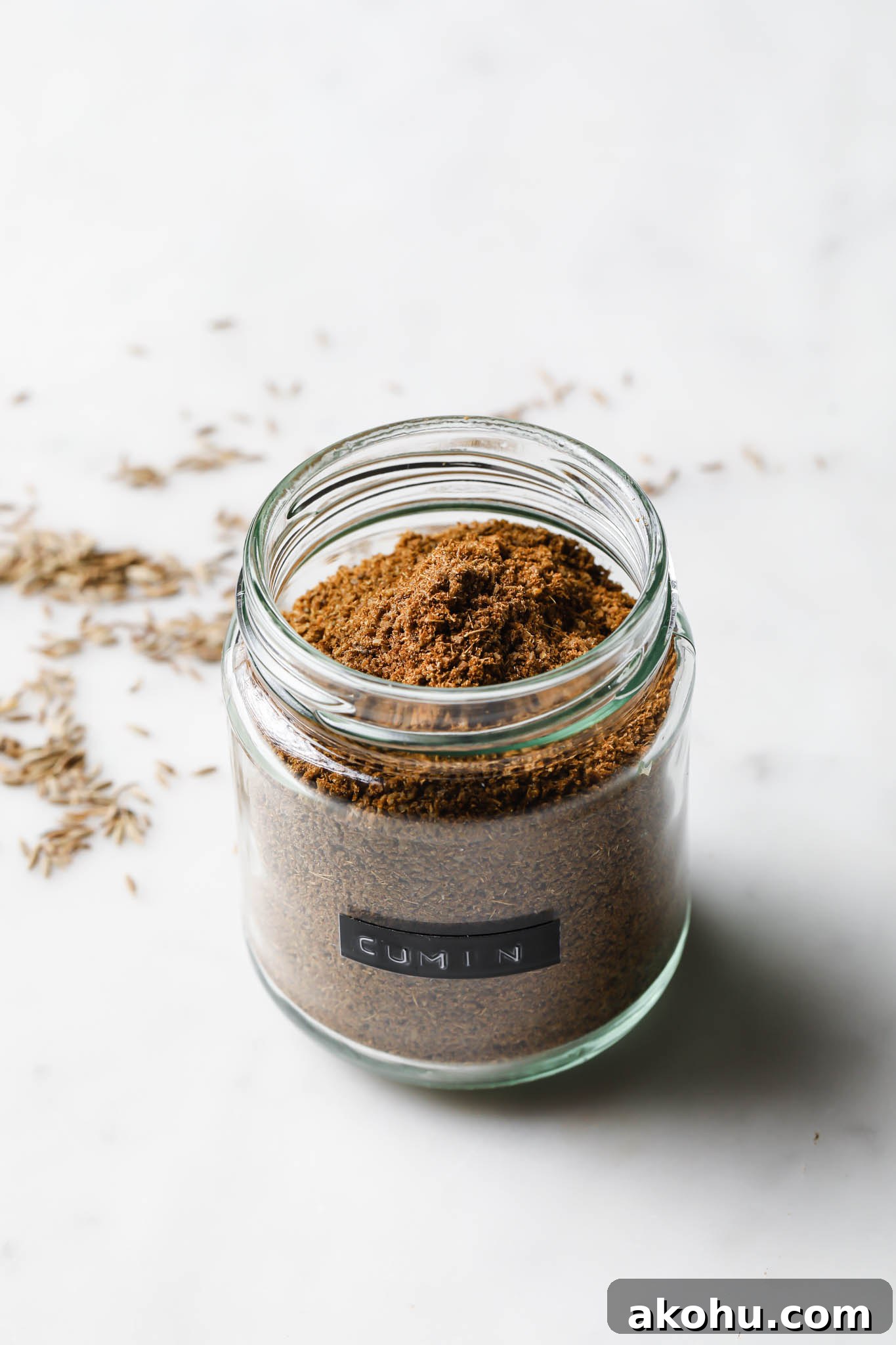
Follow this simple tutorial to make homemade cumin powder (finely ground cumin) from cumin seeds in about 5 minutes. Below I explain when to toast the seeds (and when to skip toasting), when to use seeds versus powdered cumin, and practical tips to get the best flavor.
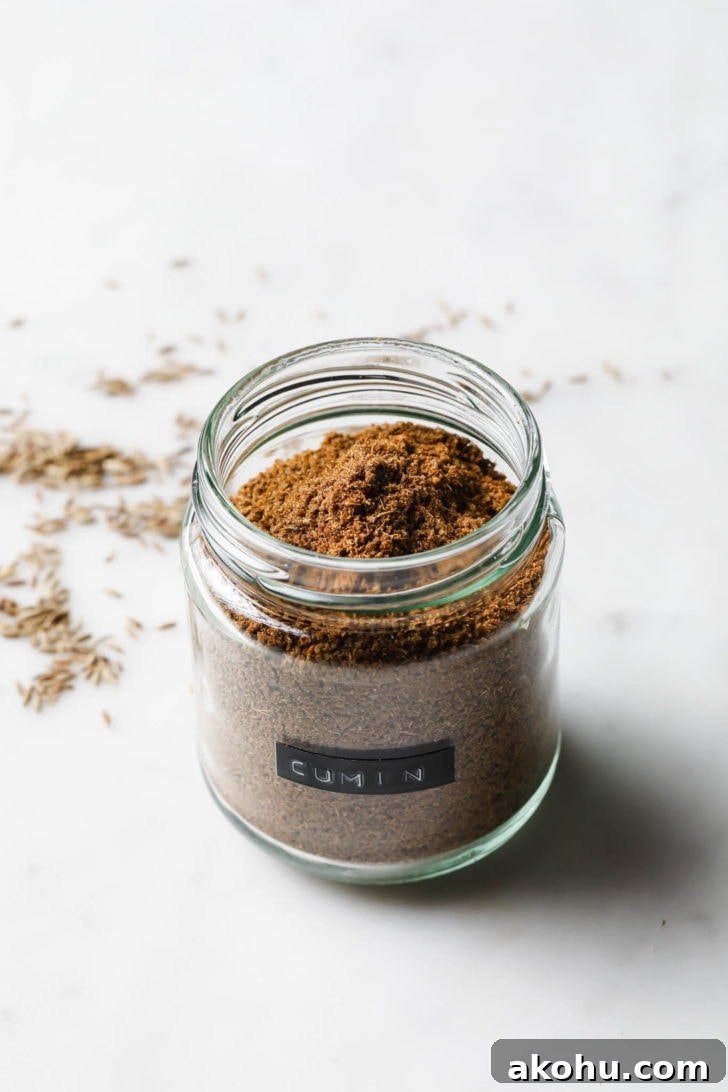
This post complements my coriander powder guide and other homemade spice blend resources. Both are designed to help you make fresher, more flavorful spices at home. Let’s get started.
Navigation
- What Is Cumin?
- What Is Cumin Powder?
- How To Use Cumin Seeds In South Asian Cooking
- How To Use Cumin Powder In South Asian Cooking
- When to Toast Cumin Seeds
- How To Tell If Store-Bought Cumin Powder Is Toasted
- How To Make Cumin Powder
- Can You Substitute Seeds and Powder?
- Storage Tips
- 5 Minute DIY Cumin Powder Recipe
What is Cumin?
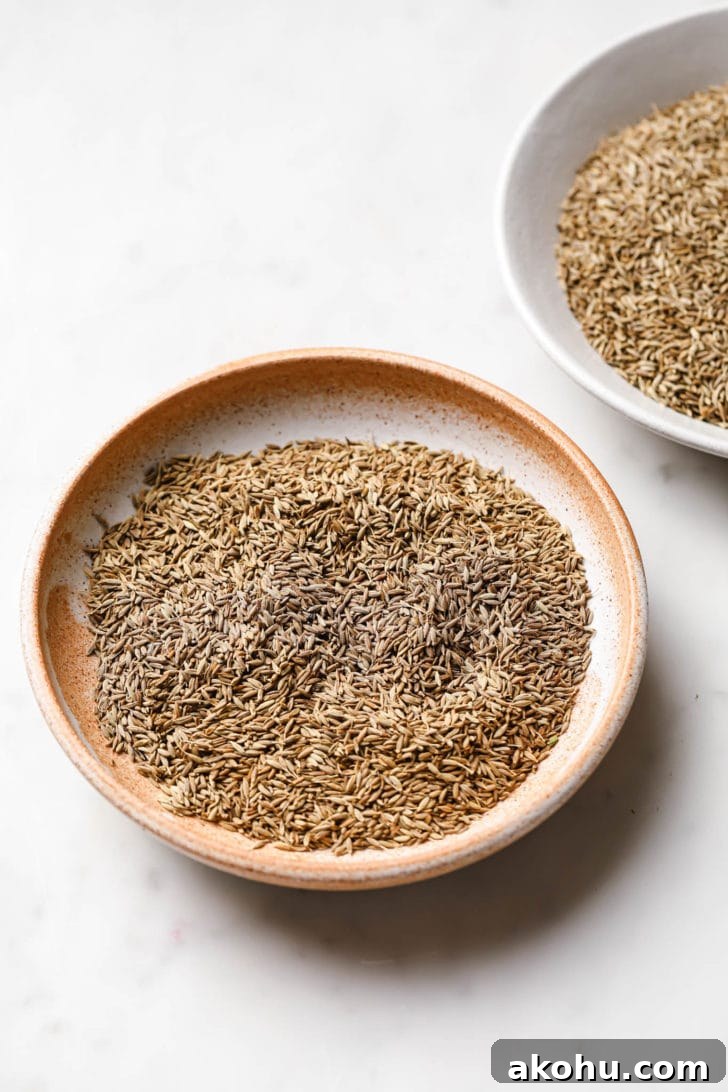
Cumin (Cuminum cyminum) is a flowering plant in the parsley family grown primarily for its seeds. In South Asia it’s commonly called zeera or jeera and is a cornerstone spice in Pakistani, Indian, and neighboring cuisines. It is distinct from black cumin (kaala zeera) and appears in both whole and ground form across many savory dishes.
Origins and History
Cumin originated in the Middle East and its name traces back to the Arabic kamun. It traveled widely through trade routes and has been referenced in ancient texts across different cultures. Today cumin is used around the world and features prominently in many regional spice traditions.
What is Cumin Powder?
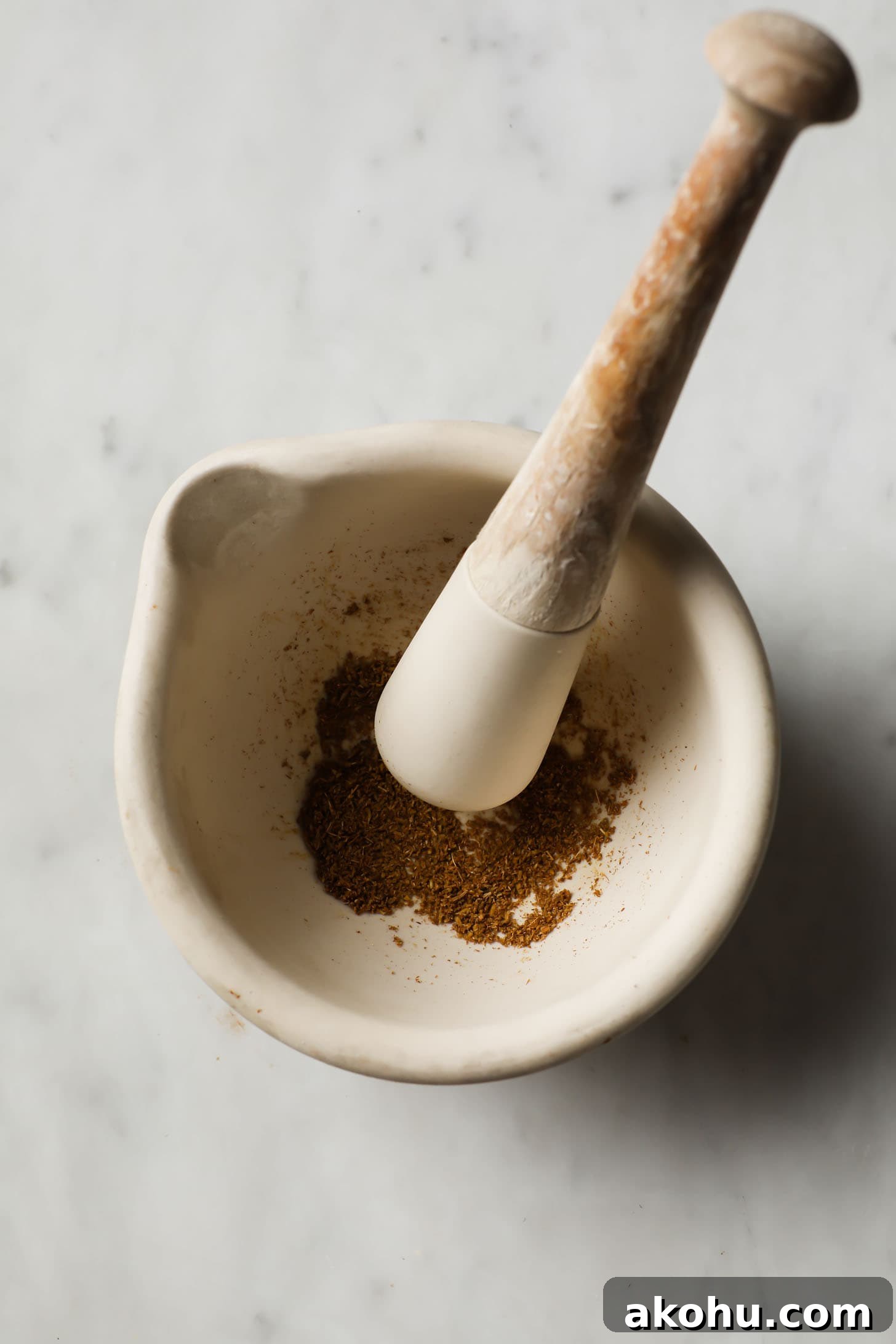
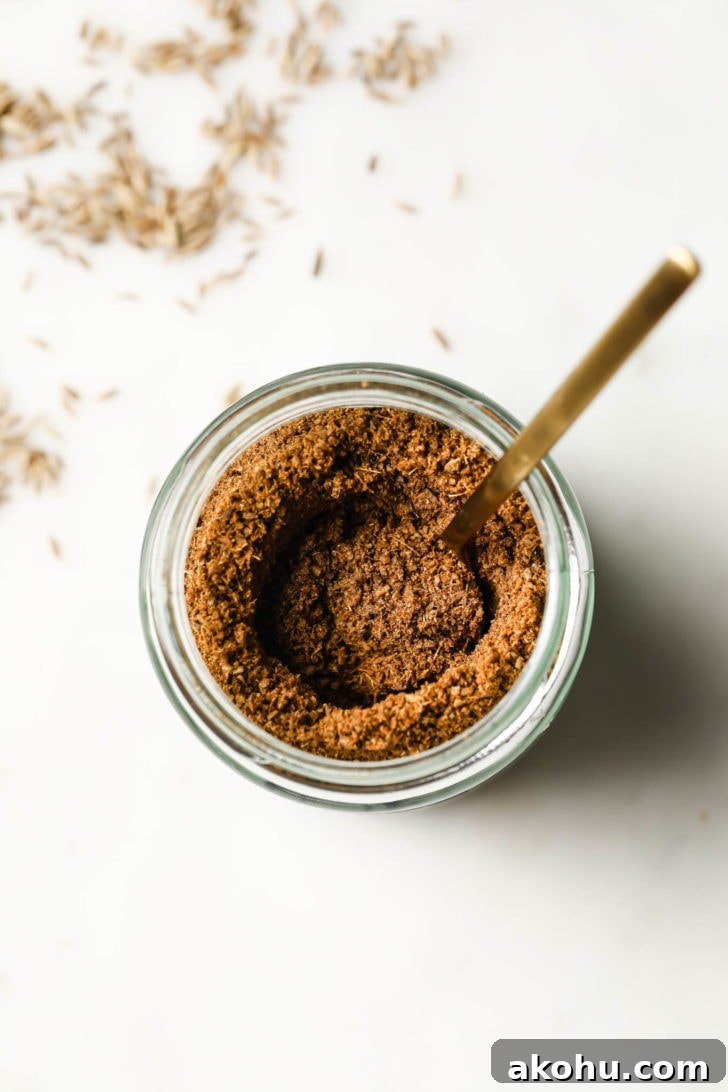
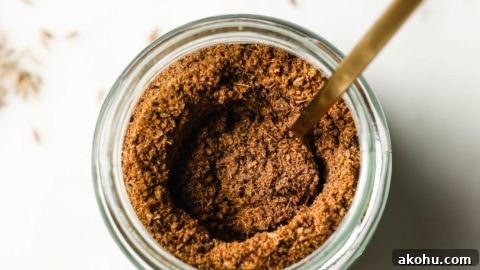
Cumin powder is simply ground cumin seeds. Grinding releases the seed oils and quickly amplifies the aroma and flavor, producing a warmer, more immediate taste than whole seeds.
How to use Cumin in South Asian Cooking
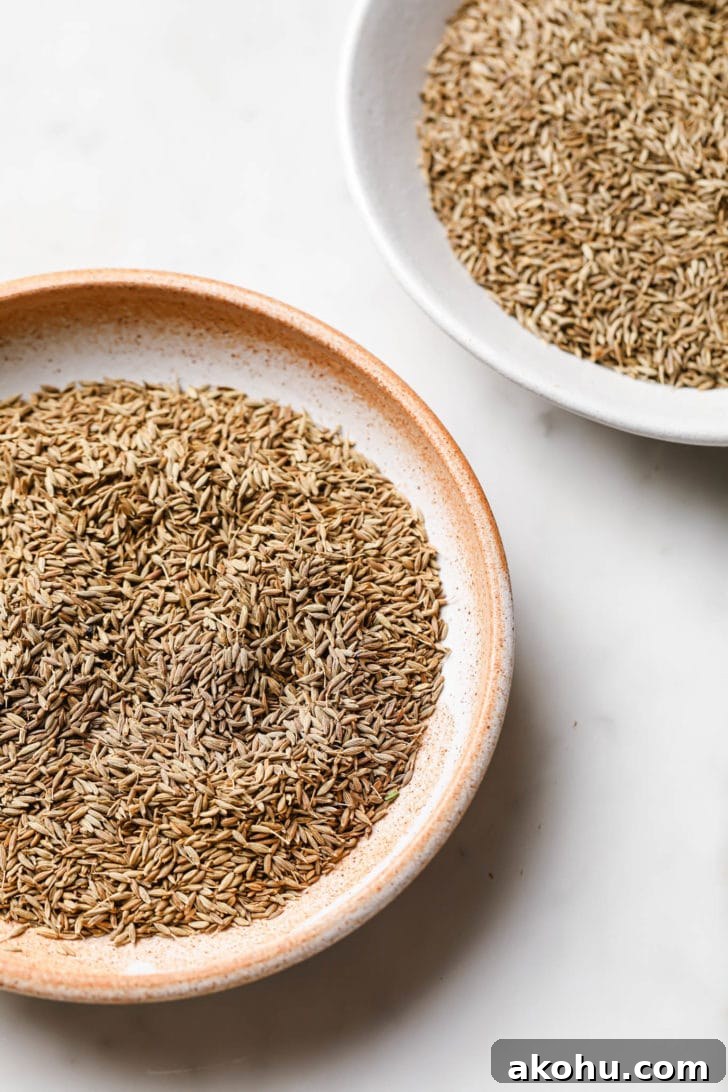
Recipes often call for either cumin seeds or cumin powder, sometimes both. Seeds add texture and visual appeal without darkening the dish, while powder distributes flavor more uniformly. Below are common uses for each form.
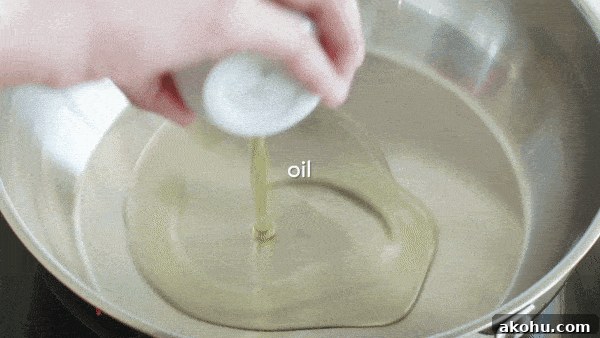
When to use Cumin Seeds
Cumin seeds give flavor, aroma and a subtle crunch without significantly coloring the dish. Common uses include:
- Curries: Add seeds to hot oil at the start to infuse the fat with cumin flavor.
- Tarka (tempering): A finishing tempering of cumin seeds brightens dals, vegetables and many cooked dishes.
- Rice: Use seeds for zeera rice, pulao and other rice dishes to add nutty notes and texture.
- Potatoes and snacks: Seeds are often used with potatoes and in snacks or fillings to provide bursts of flavor.
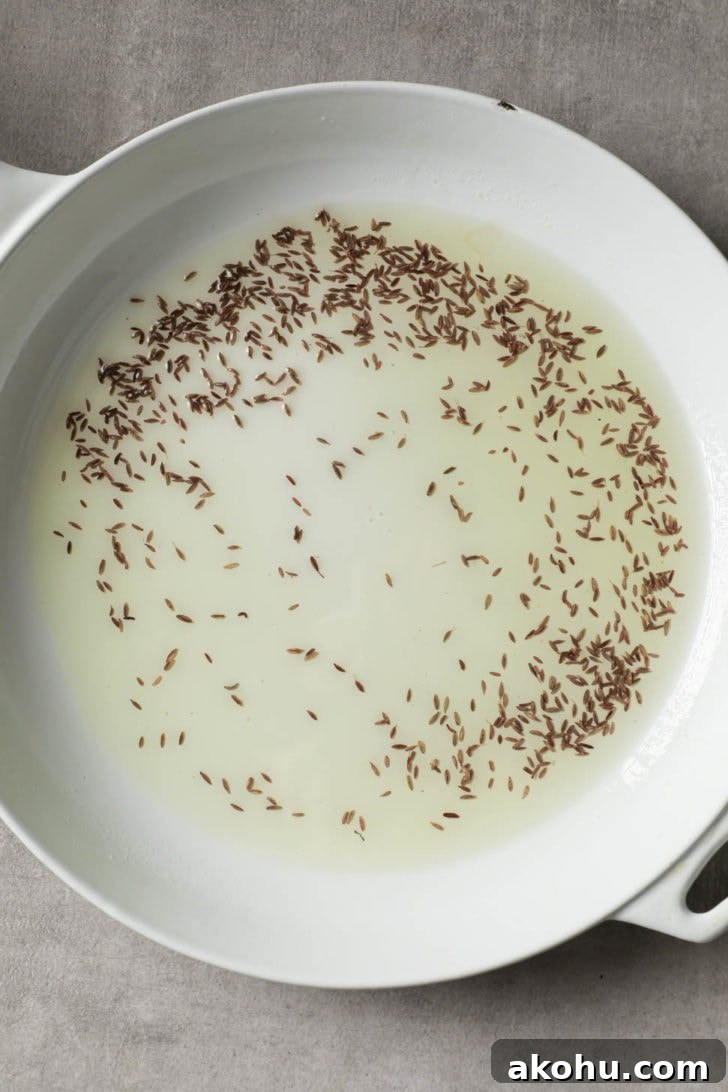
When to use Cumin Powder
- Curries: Add ground cumin while building the curry base—after onions, tomatoes or other aromatics—so it blends into the sauce.
- Paired with coriander powder: Cumin powder often works alongside coriander powder to balance warm and bright flavors.
- Marinades, snacks, chutneys: Ground cumin is handy in rubs, marinades, raitas, chutneys and many snack recipes for even seasoning.
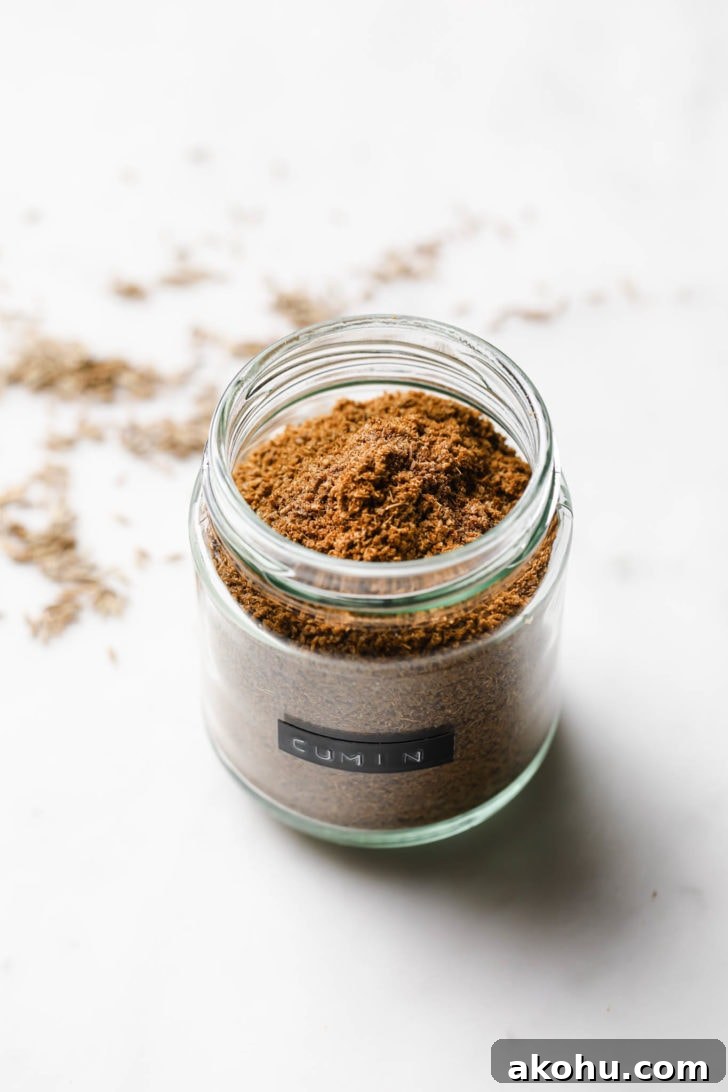
Why you don’t have to toast cumin seeds (and when you should)
Toasting spices concentrates aroma by releasing essential oils and reducing residual moisture. That said, toasting is optional. In many curry recipes ground cumin is cooked early in oil and will deepen in flavor during the cooking process; pre-toasting can sometimes push the taste toward an overly intense or slightly bitter edge. Whether to toast depends on how pronounced you want the roasted notes to be.
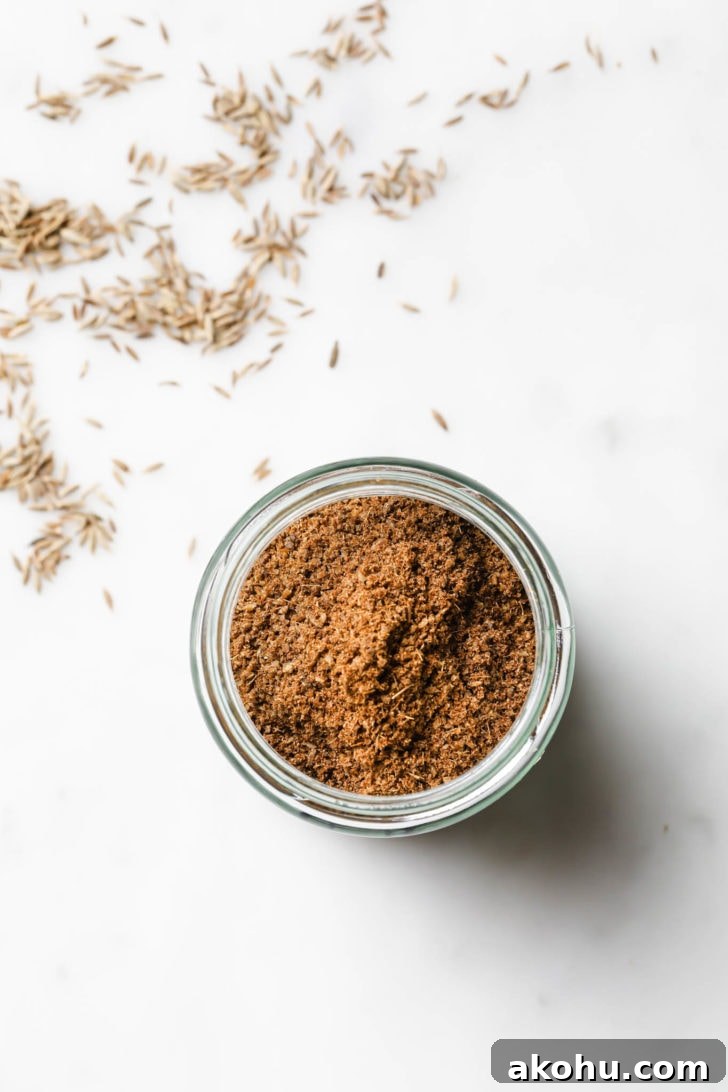
When to use Toasted Cumin Powder
Toasted cumin powder is useful when you want a deeper, smoky, nutty flavor without further cooking. Typical uses include:
- Raitas and cold chutneys where the spice is added without additional cooking.
- Finishing a curry late in cooking to add an extra layer of roasted flavor.
- Spice blends such as garam masala or chaat masala that benefit from toasty depth.
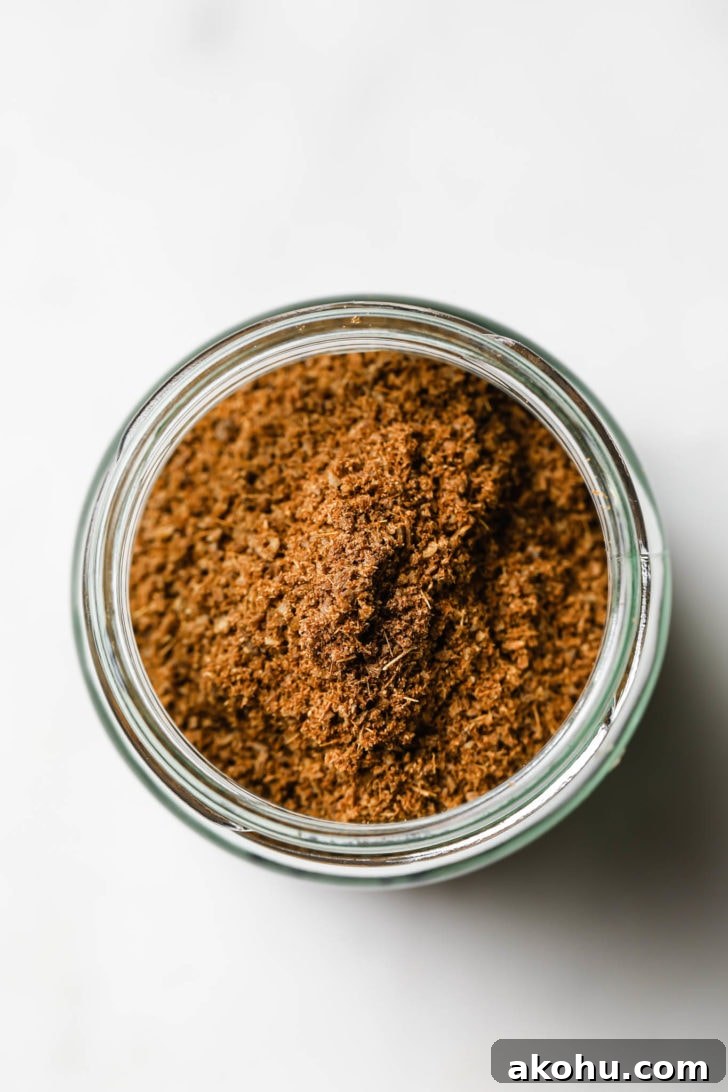
How to tell if store-bought cumin powder is toasted
Color is a quick indicator:
- Lighter, earthy brown usually means the powder is made from untoasted seeds.
- Darker brown often indicates the seeds were roasted before grinding.
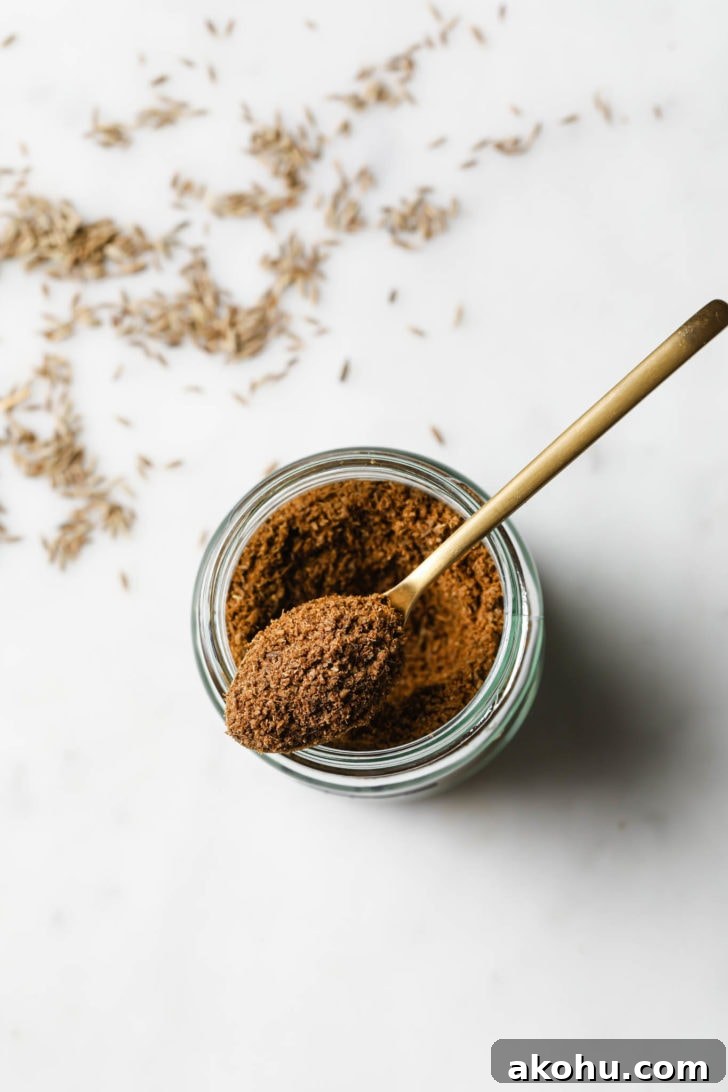
How to make Cumin Powder
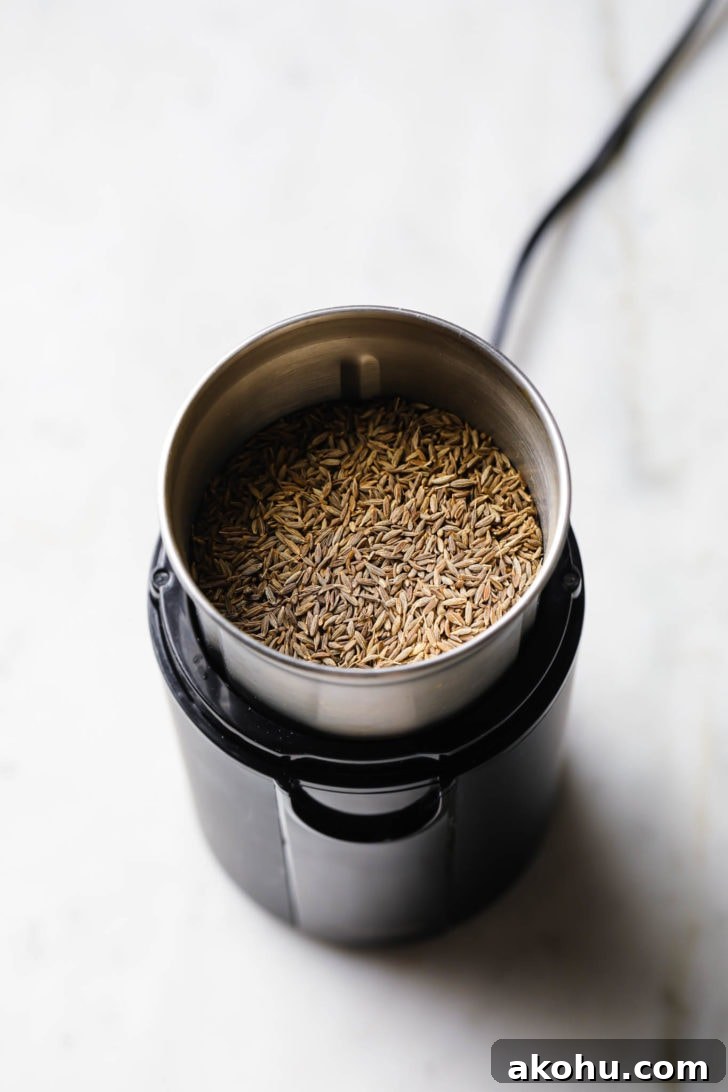
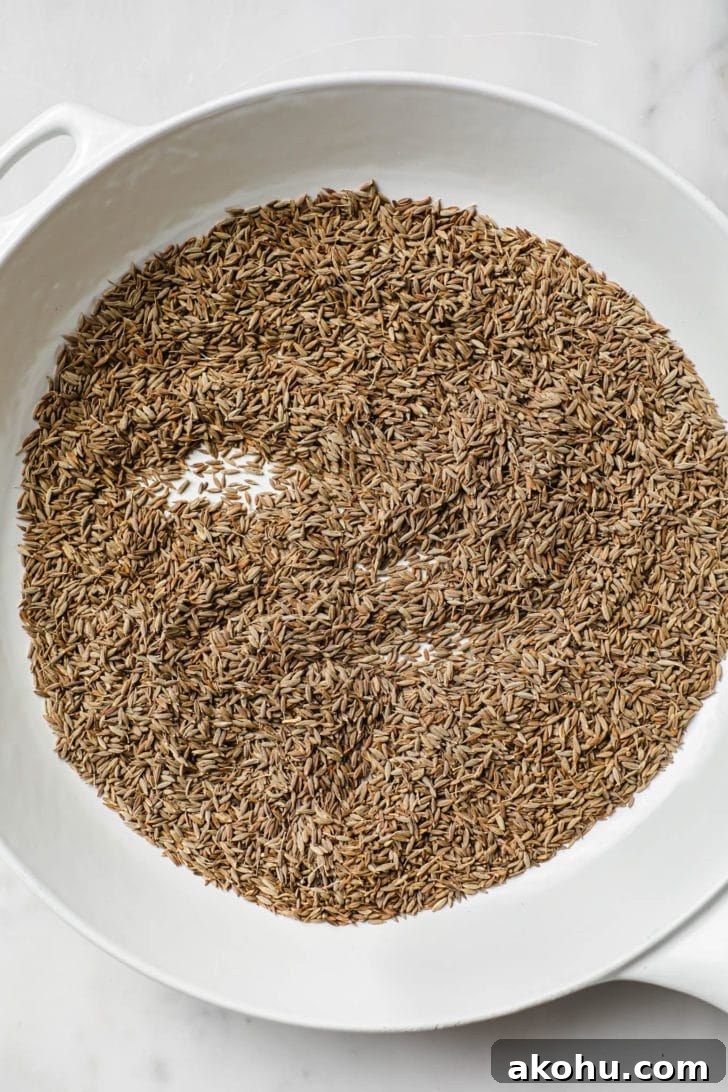
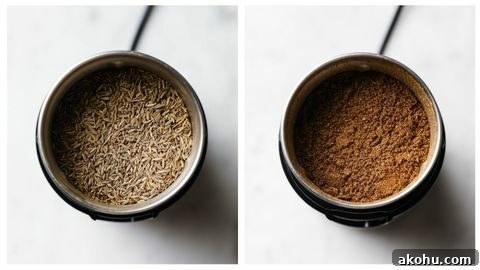
- Place cumin seeds in a spice grinder, coffee grinder, or a small blender.
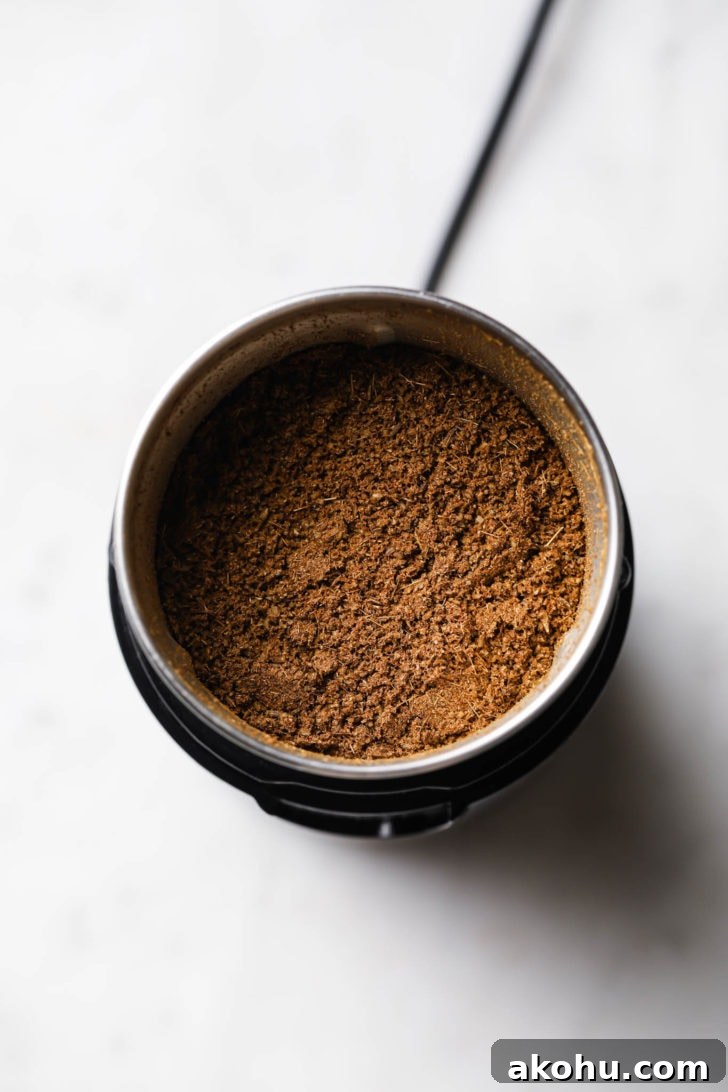
- Grind for 30–40 seconds, stopping and shaking the grinder occasionally for an even grind.
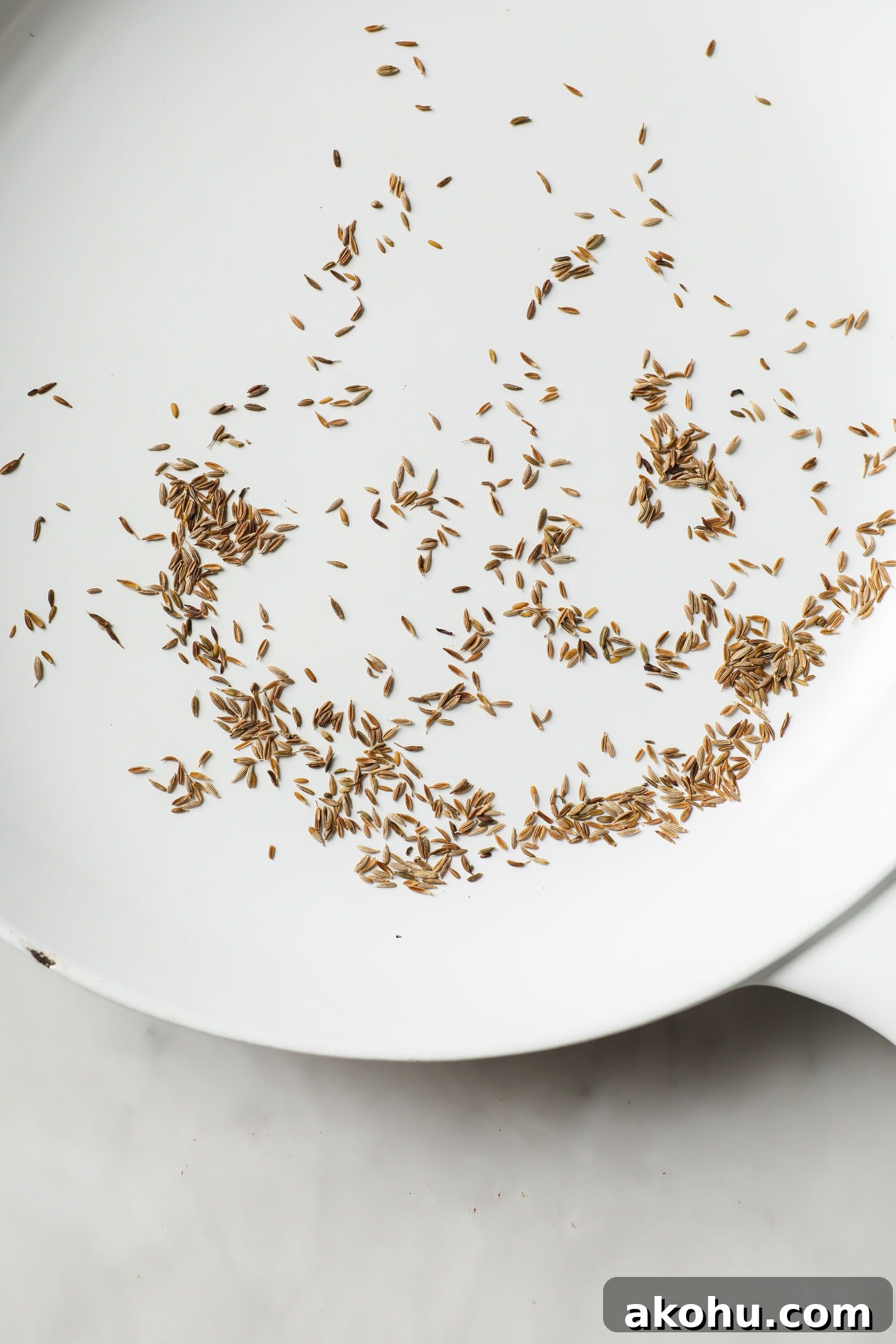
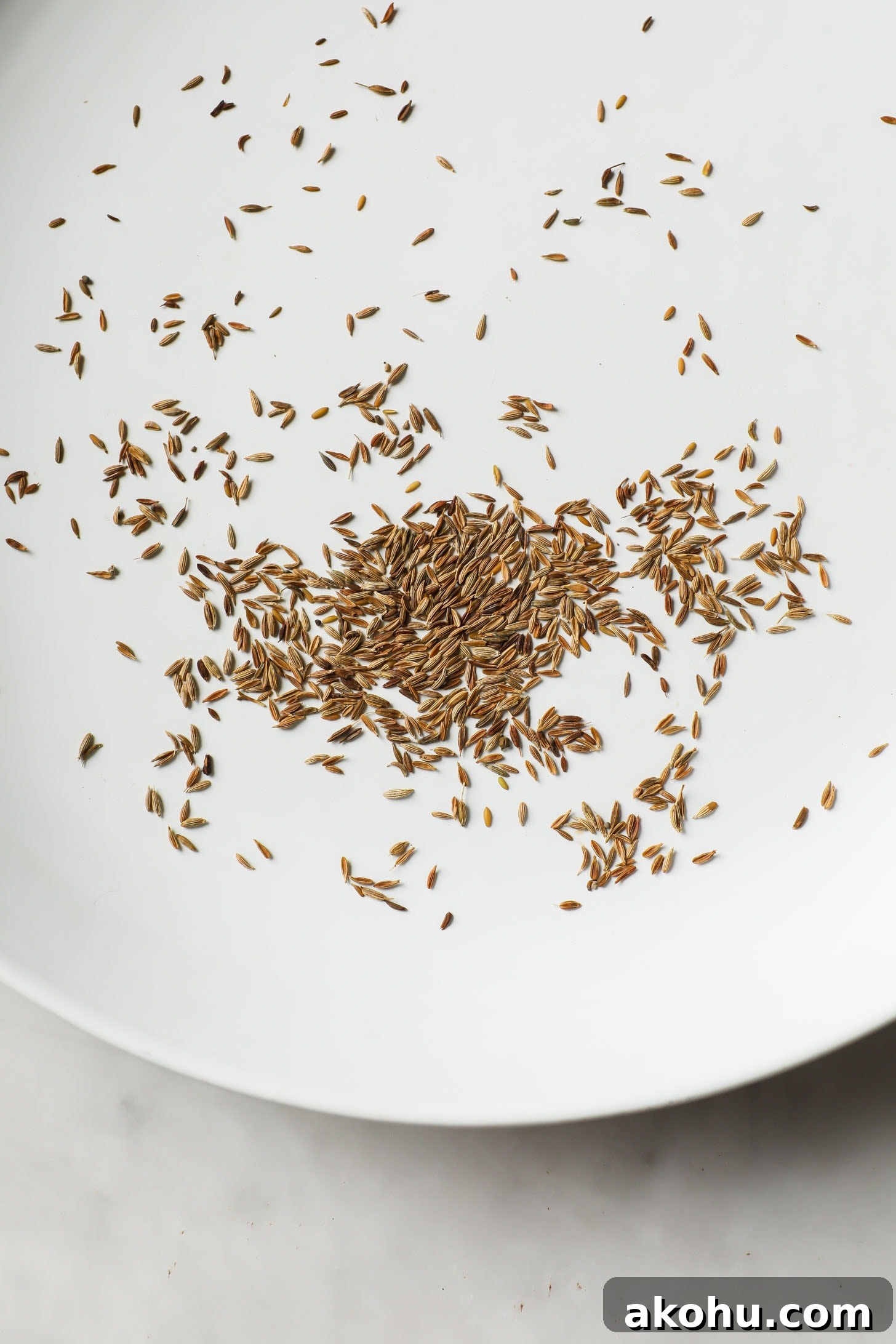
- For toasted powder, dry-toast the seeds in a pan first, then cool and grind.
How to Toast Cumin Seeds
Heat a small pan over medium-low to medium heat. Add seeds and stir or shake frequently for 3–4 minutes until they darken slightly and release a fragrant aroma. For medium toast stop when seeds are golden; for a stronger toasted flavor toast a bit longer but watch carefully to avoid burning.
Can you use Cumin Seeds & Cumin Powder interchangeably?
Substitutions are possible but not identical in texture or technique.
- If a recipe calls for ground cumin and you only have seeds, grind an equal amount of seeds to replace the powder.
- If a recipe calls for whole seeds and you only have ground cumin, use about 3/4 teaspoon ground cumin for every 1 teaspoon whole seeds and add the powder later in the cooking process if the recipe expects frying the seeds.
Storage Tips
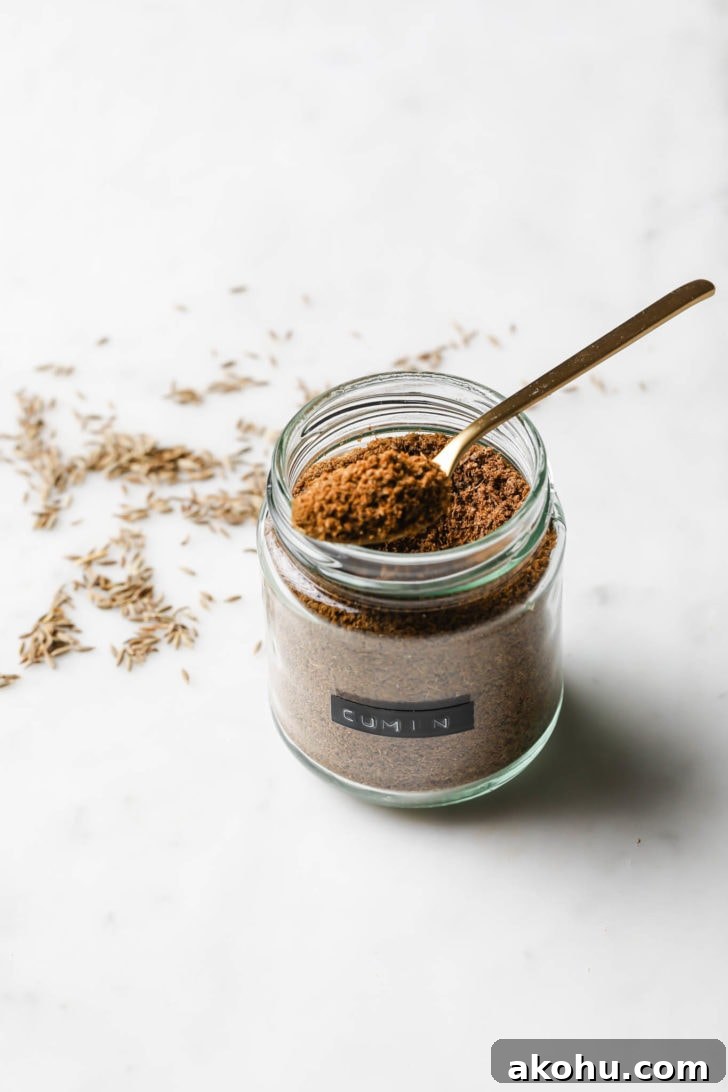
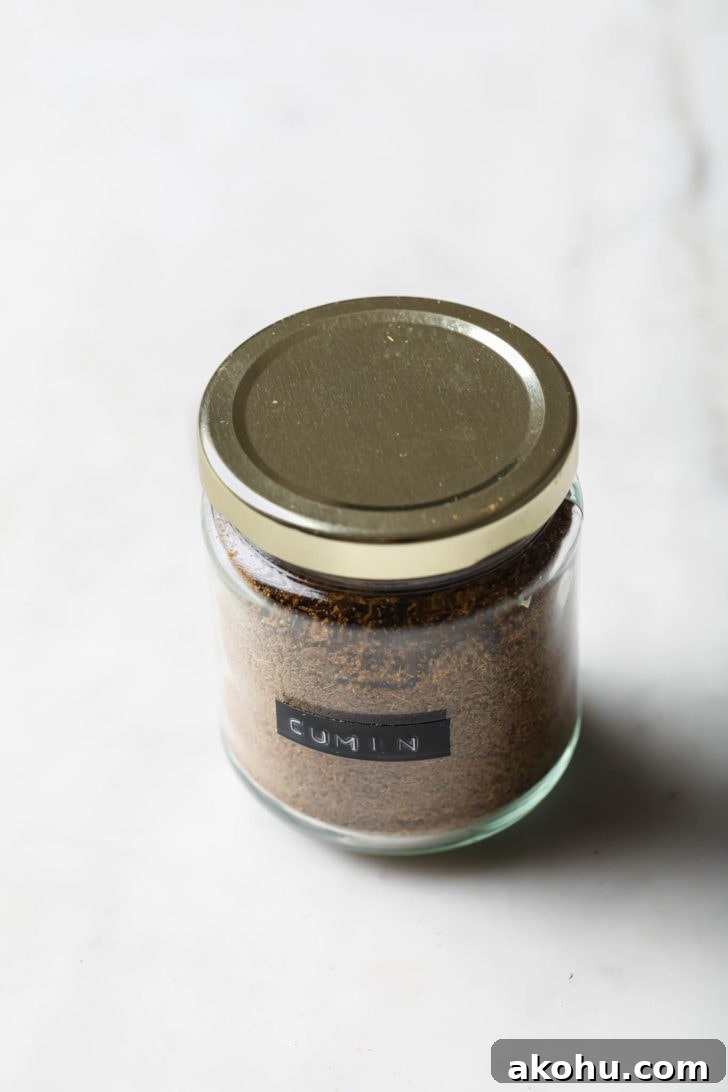
Whole cumin seeds keep longer than ground or toasted cumin. Store spices in airtight containers in a cool, dark place to preserve flavor.
- Whole cumin seeds: up to 1 year when stored properly.
- Ground cumin (freshly ground): best within 6 months for peak aroma.
Tried this? If you make cumin powder at home, consider leaving a comment with your experience or a photo — I enjoy seeing how readers use these tips.
5-Minute DIY Cumin Powder (Ground Cumin)
Ingredients
- ¾ cup (90 g) cumin seeds, (see notes)
Equipment
-
Spice grinder, coffee grinder, or small blender
-
Spice funnel (optional)
Instructions
-
Place the raw cumin seeds in a spice grinder. Grind for 30–40 seconds, stopping and shaking the grinder as needed to ensure an even texture. The seeds should grind to a fine, textured powder.

-
Transfer the ground cumin to a spice jar or small airtight container (a spice funnel makes this easier). Store in a cool, dark place for up to 6 months for best flavor.
Notes
Note 2: Grinding reduces volume but not weight — about 3/4 cup seeds yields roughly 2/3 cup powder.