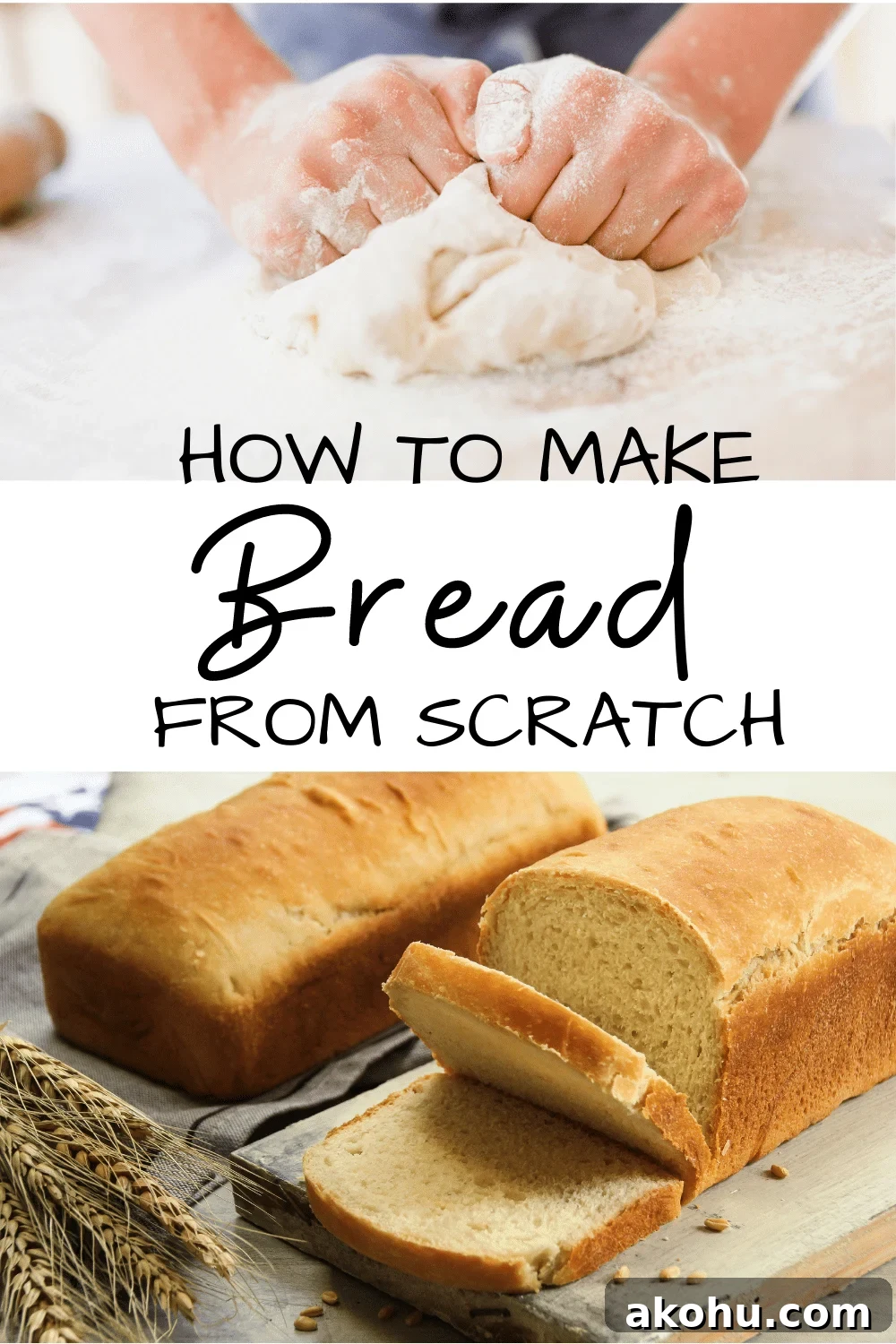
Learn how to make bread from scratch with this straightforward guide. Baking homemade bread may seem intimidating, but with a few pantry staples and some patience you can bake a beautiful, flavorful loaf. Follow these clear steps—from activating yeast to achieving a golden crust—and you’ll be enjoying fresh bread in no time.
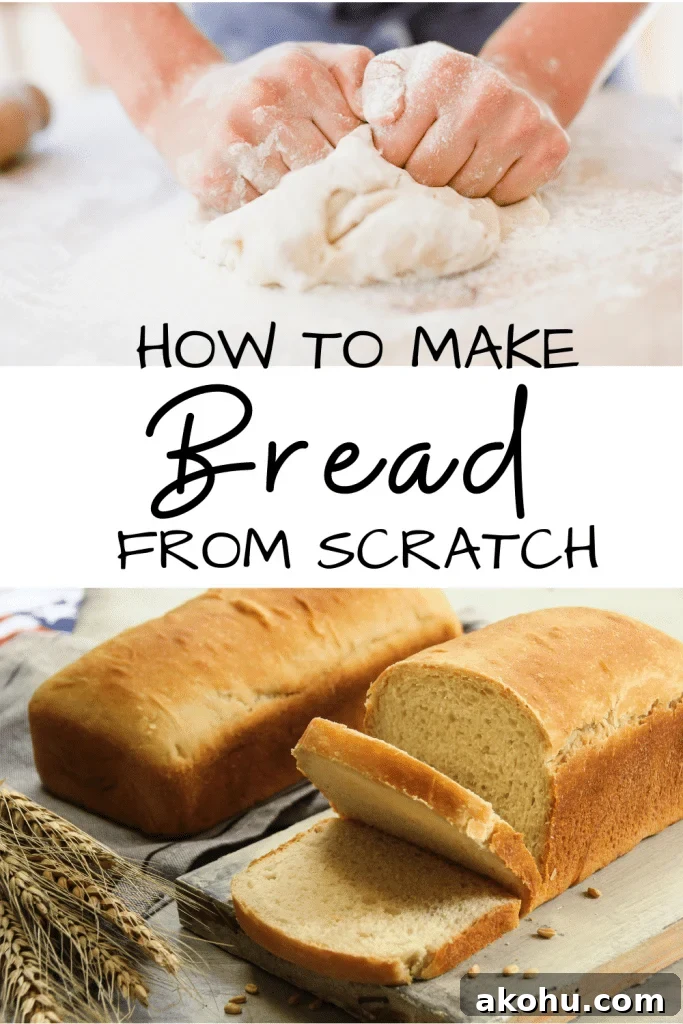
This simple bread recipe walks you through each stage: activating active dry yeast in warm water, mixing and kneading the dough, allowing two rises, and baking to a golden brown. Gather basic ingredients, a large bowl, and your preferred kneading tool—hands, wooden spoon, or stand mixer—and let’s get started.
Whether this is your first loaf or you’re an experienced baker, this recipe produces a versatile French-style loaf that’s perfect for sandwiches, rolls, or garlic bread. It’s also excellent with peanut butter or a homemade jam for a satisfying treat that keeps well for 2–3 days.
Homemade Bread Key Ingredients
Active Dry Yeast / Instant Yeast
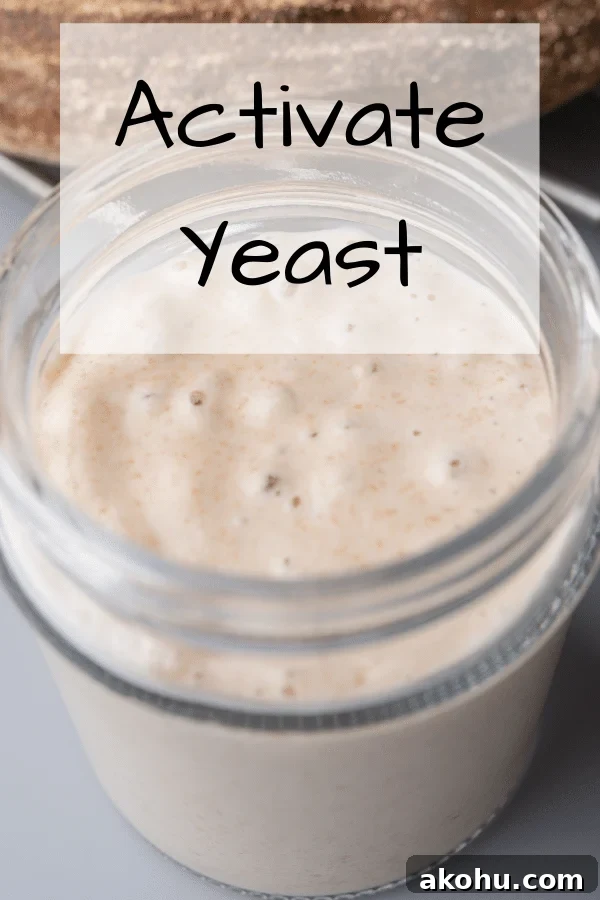
Yeast provides the rise and light texture. Activate active dry yeast in warm water until foamy to confirm it’s alive and ready to work.
Tip: Wait for a foamy bloom before proceeding.
Warm Water
Warm water dissolves sugar and wakes the yeast. Aim for 100°–110°F (38°–43°C) for best activation.
All-Purpose, Bread, or Whole Wheat Flour
Flour forms the dough’s structure. All-purpose or bread flour is most common; whole wheat adds flavor and density. Add flour gradually and reserve some to adjust texture while kneading.
Salt
Salt strengthens dough, balances flavor, and controls yeast activity. Mix salt with dry ingredients before adding liquids.
Fats: Melted Butter or Oil
Butter or oil adds tenderness, moisture, and flavor. Brushing melted butter on hot loaves enhances color and taste.
Granulated Sugar
Sugar feeds the yeast and contributes a hint of sweetness. Dissolve sugar in warm water before adding yeast.
Room Temperature or Warm Place
A warm, draft-free spot speeds the rise. A cooler room works well for a longer, more flavorful fermentation—ideal for an overnight rise.
Mixing and Kneading Tools
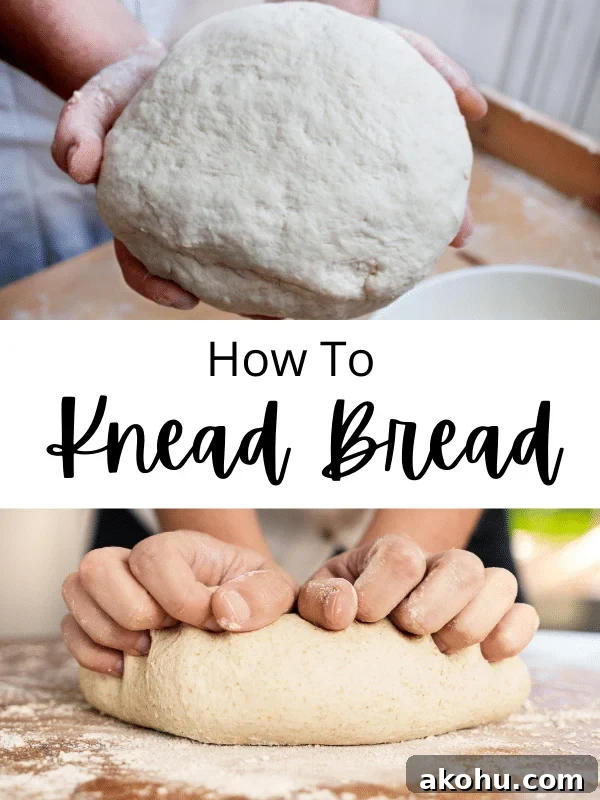
Use a wooden spoon, dough hook, or stand mixer to combine and knead. Kneading develops gluten and creates a smooth, elastic dough; plan for about 7 minutes by hand or on medium speed in a mixer.
Large Mixing Bowl
A roomy bowl gives the dough space to grow. Cover it during rises to retain moisture and warmth.
Baking Vessels
A Dutch oven or pizza stone yields a crisp artisan crust; a loaf pan provides a classic shape. Preheating these helps achieve the best crust.
Step by Step Instructions
Activate the Yeast
- In a small bowl dissolve 2 teaspoons sugar in 1 cup warm water (100°–110°F).
- Stir in 1 3/4 tablespoons active dry yeast with a plastic or wooden spoon.
- Let sit 5–10 minutes until foamy. A foamy top means the yeast is active.
Combine Dry Ingredients
- In a large bowl combine 1/2 cup granulated sugar, 1 1/2 teaspoons salt, and 5–6 cups flour, reserving 1 cup of flour. Spoon flour into the measuring cup and level it off to avoid packing too much.
Create a Well
- Make a well in the center of the dry mix to hold the yeast and additional water without scattering flour.
Add the Yeast Mixture
- Pour the activated yeast into the well, then add the second cup of warm water.
Mix and Knead the Dough
- Stir until a rough dough forms. It may be sticky at first.
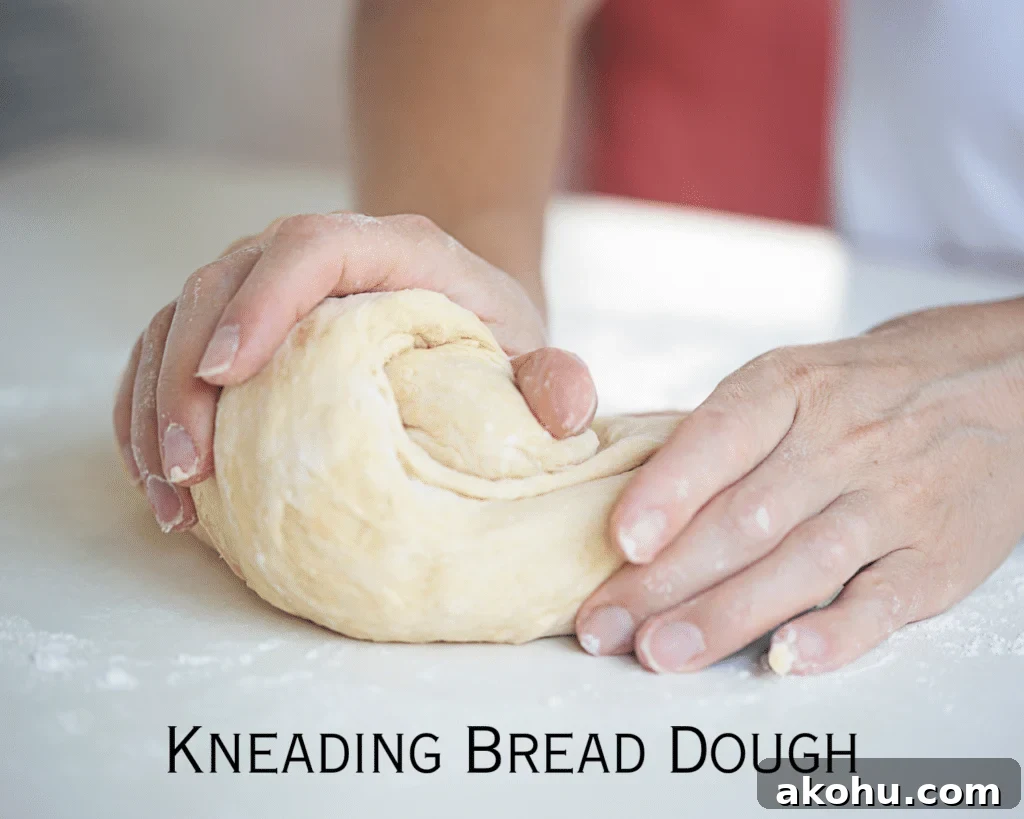
- Turn dough onto a lightly floured surface and knead about 7 minutes until smooth and elastic. Use the heel of your hand to fold and push the dough repeatedly.
- Add the reserved flour a little at a time while kneading only as needed to prevent sticking; you may not use the full cup.
- If using a stand mixer, knead on medium with a dough hook for about 7 minutes until smooth and elastic.
First Rise
- Place the kneaded dough in the mixing bowl, cover, and let rise in a warm, draft-free place until doubled, about 1 hour.
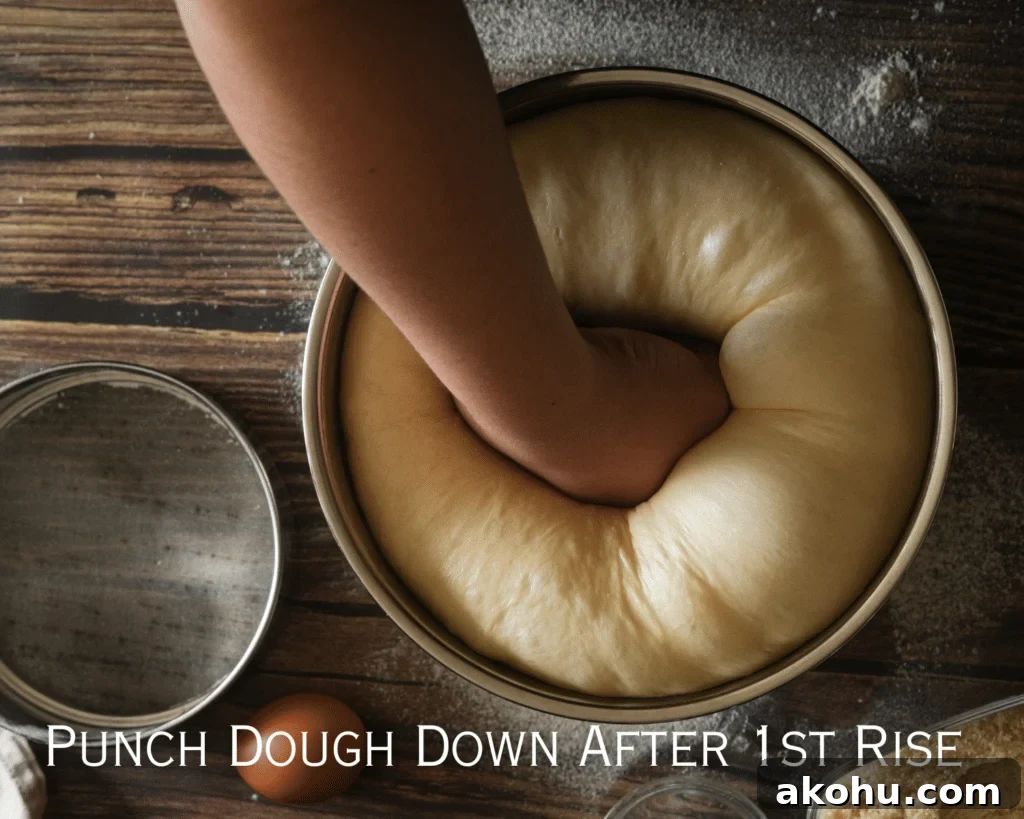
Punch Down and Shape
- Punch down the risen dough to release air and gently shape into loaves or your preferred shapes. Smooth shaping helps the loaves hold their form.
Second Rise
- Place shaped loaves in buttered pans or on a greased baking sheet and let rise up to 30 minutes. Watch carefully to avoid over-rising, which can flatten the loaf.
Bake
- Preheat oven to 350°F (175°C).
- Bake for about 30 minutes until the top is golden brown and the internal temperature reaches 190°F (88°C).
Finish and Enjoy
- Brush hot loaves with melted butter for a soft, shiny crust.
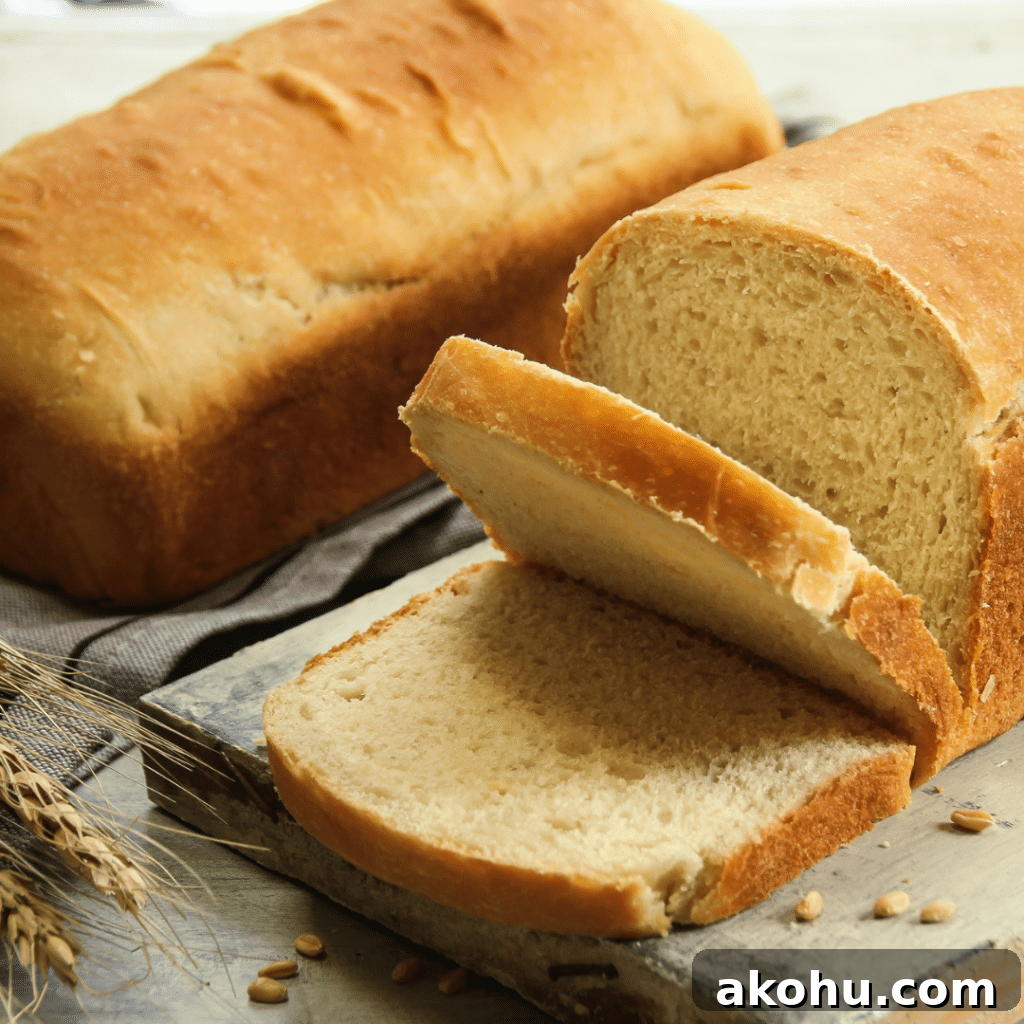
- Cool on a wire rack before slicing so the crumb sets and slices cleanly.
- Serve with butter, jam, or your favorite spread.
How to Store Homemade Bread
- Keep bread in an airtight container or resealable bag at room temperature for best texture; consume within 2–3 days.
Freezing:
- Slice and freeze portions for longer storage. Reheat slices in a toaster or warm oven as needed.
Recipe Card
If you try this recipe and enjoy it, please leave a rating and share how it turned out in the comments or a review. I’d love to see photos of your loaf!
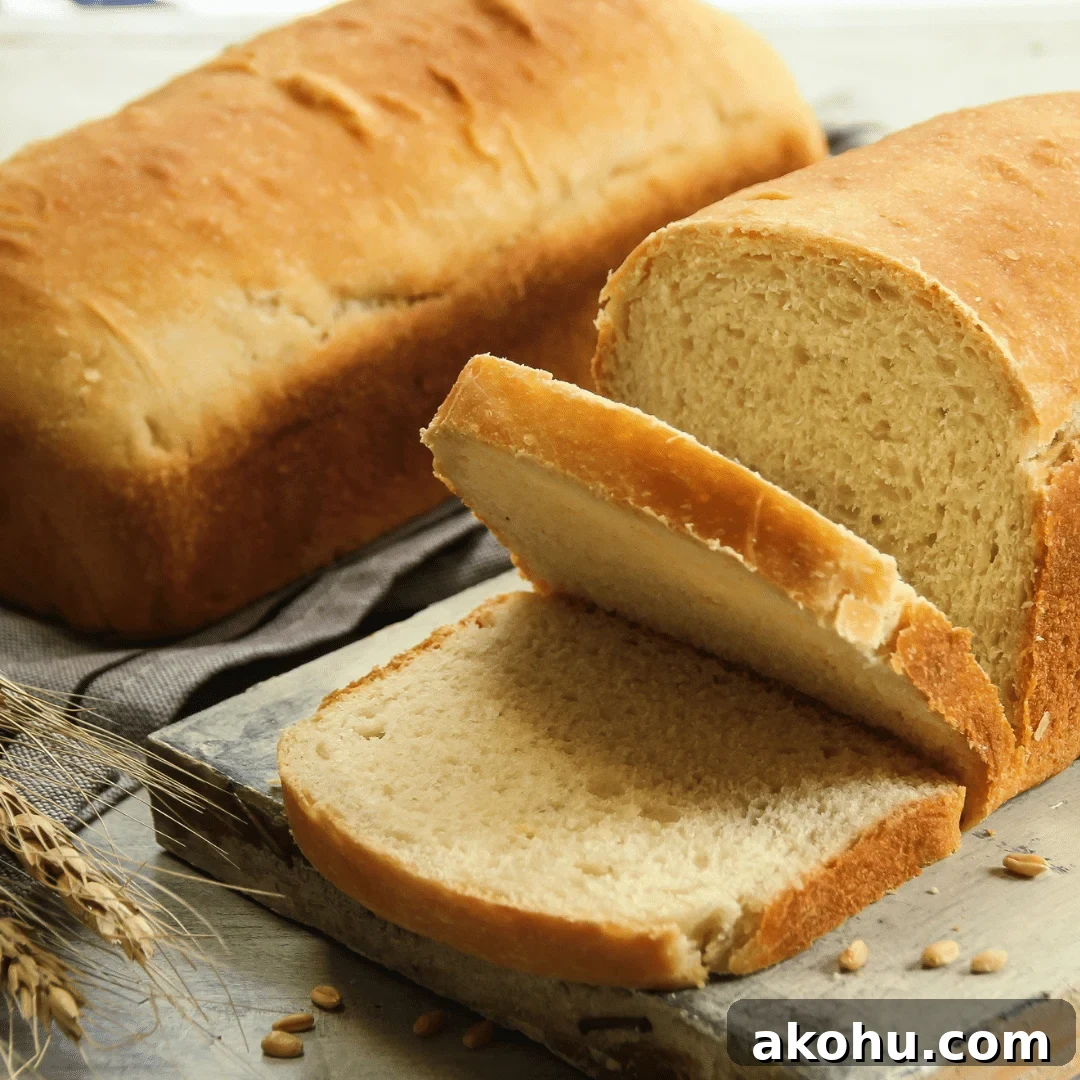
Easy Bread Recipe
Ingredients
- 1 & 3/4 tablespoons Active Dry Yeast
- 2 tsp sugar
- 1/2 cup granulated sugar
- 2 cups warm water 100°–110° F
- 1 & 1/2 teaspoons salt
- 1/4 cup melted butter or oil
- 5–6 cups flour
Instructions
-
Dissolve 2 tsp sugar in 1 cup warm water. Stir in yeast and let it activate until foamy.
-
In a large bowl combine remaining ingredients, holding back 1 cup of flour, and mix.
-
Make a well in the flour mixture and pour in the activated yeast and the second cup of warm water.
-
Knead the dough at least 7 minutes until smooth and elastic, adding reserved flour as needed.
-
Let rise in a warm place about 1 hour until doubled.
-
Punch down and shape into loaves.
-
Place shaped loaves into buttered pans or on a greased sheet.
-
Let rise again up to 30 minutes; avoid over-rising.
-
Bake at 350°F for about 30 minutes until golden and 190°F inside.
-
Brush with melted butter and cool before slicing.
Nutrition
Let me know what you think!
Share your baking tips and feedback in the comments. Did you try a variation or add seeds, herbs, or different flours? I’d love to hear how your loaf turned out.
More Recipes
Sourdough Bread for Beginners
Soft Sourdough Rolls
Tender Rump Roast Recipe, Oven Roasted
Freezer Jam Recipes