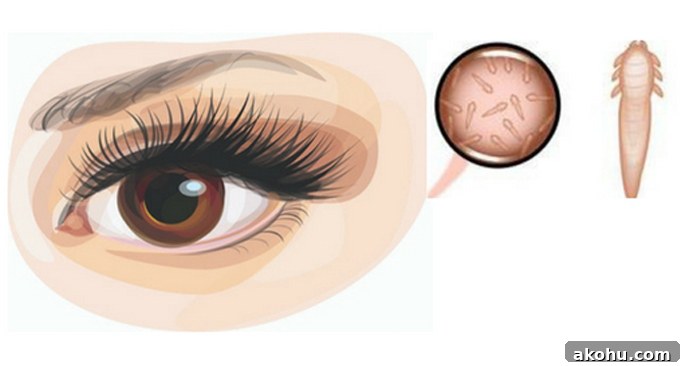
These tiny eyelash mites are unsettling, and chances are you already have them.
A few years ago someone mentioned that mascara and other eye products can harbor mites. At the time I thought, “Sure, but I can’t see anything in my mascara.” Now, they’re being discussed everywhere — those microscopic critters that can live around our eyelashes and eyelids.
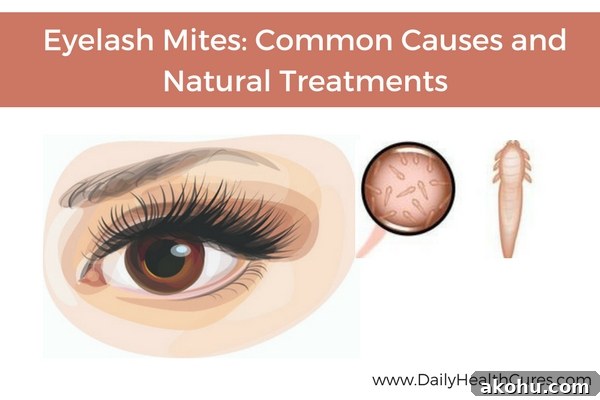
Reading about them gives me the shivers.
Eyelash mites are tiny arachnids that live in or near hair follicles, including those on the eyelid margin. They subsist on oils, skin cells, and debris trapped at the base of lashes. Most of the time they’re harmless, but when they become too numerous they can contribute to irritation, redness, and conditions like blepharitis.
The worst part? Most of us have them
Studies suggest a very high prevalence of these mites among adults. For many people their presence is simply part of the normal skin ecosystem and causes no symptoms. However, in some cases an overgrowth can lead to persistent itching, inflammation, or a chronic gritty sensation in the eye.
If you’re worried about mite-related irritation, the good news is that simple hygiene measures and a few targeted treatments can reduce their numbers and limit symptoms. Below are practical, evidence-supported steps you can take to manage them and prevent recurrence.
1. Remove eye makeup nightly
Sleeping with makeup on encourages mite activity by trapping oils, old cosmetics, and skin debris near the lash line. Make a habit of thoroughly removing mascara, eyeliner, and other eye products each night. Use a gentle, oil-based cleanser or a balm designed for eye makeup removal to dissolve waterproof formulas without rubbing aggressively. Follow with a mild facial cleanser to remove residue.
2. Cleanse the eyelid margins
Regular lid hygiene helps keep the base of the lashes free from excess oil and dead skin that feed mites. You can use a pre-made lid scrub or make a simple diluted solution of baby shampoo and water to gently cleanse the lash line. Soak a clean cotton pad or swab in the solution and sweep along the lash base once or twice daily until symptoms improve, then continue maintenance cleaning a few times per week.
3. Consider tea tree oil–based products
Tea tree oil contains terpinen-4-ol, which has been shown to reduce mite populations in some studies. Never apply undiluted tea tree oil directly into the eye. Instead, look for commercially formulated cleansers or wipes made for eyelid use that contain a safe concentration of tea tree extract, or dilute the oil appropriately with a carrier oil for external application to the eyelid skin only. If you have sensitive skin or a history of allergic reactions, test a small patch away from the eye first and consult a clinician before use.
4. Replace old makeup and avoid sharing products
Cosmetics and applicators can accumulate bacteria, oils, and debris over time, providing an environment where mites and other microbes thrive. Replace mascara and other eye makeup every three to six months, avoid sharing eye cosmetics with others, and clean brushes and applicators regularly.
5. Seek professional care when needed
If you experience ongoing redness, pain, significant discharge, or changes in vision, see an eye care professional. They can evaluate for blepharitis, meibomian gland dysfunction, or other eyelid conditions and recommend appropriate treatments, which may include medicated cleansers, antibiotics, or other targeted therapies.
Don’t panic — while the idea of mites near your lashes is unsettling, routine eyelid hygiene, careful makeup removal, and targeted products can keep them under control. Consistent care will reduce irritation and help maintain healthy eyes and lashes.
Recommended at-home items
Bye Bye Makeup™ 3-in-1 Makeup Melting Cleansing Balm (for gentle removal of stubborn eye makeup)
Tea Tree Skin Clearing Facial Wash (tea tree oil–based cleanser for topical use on external skin)