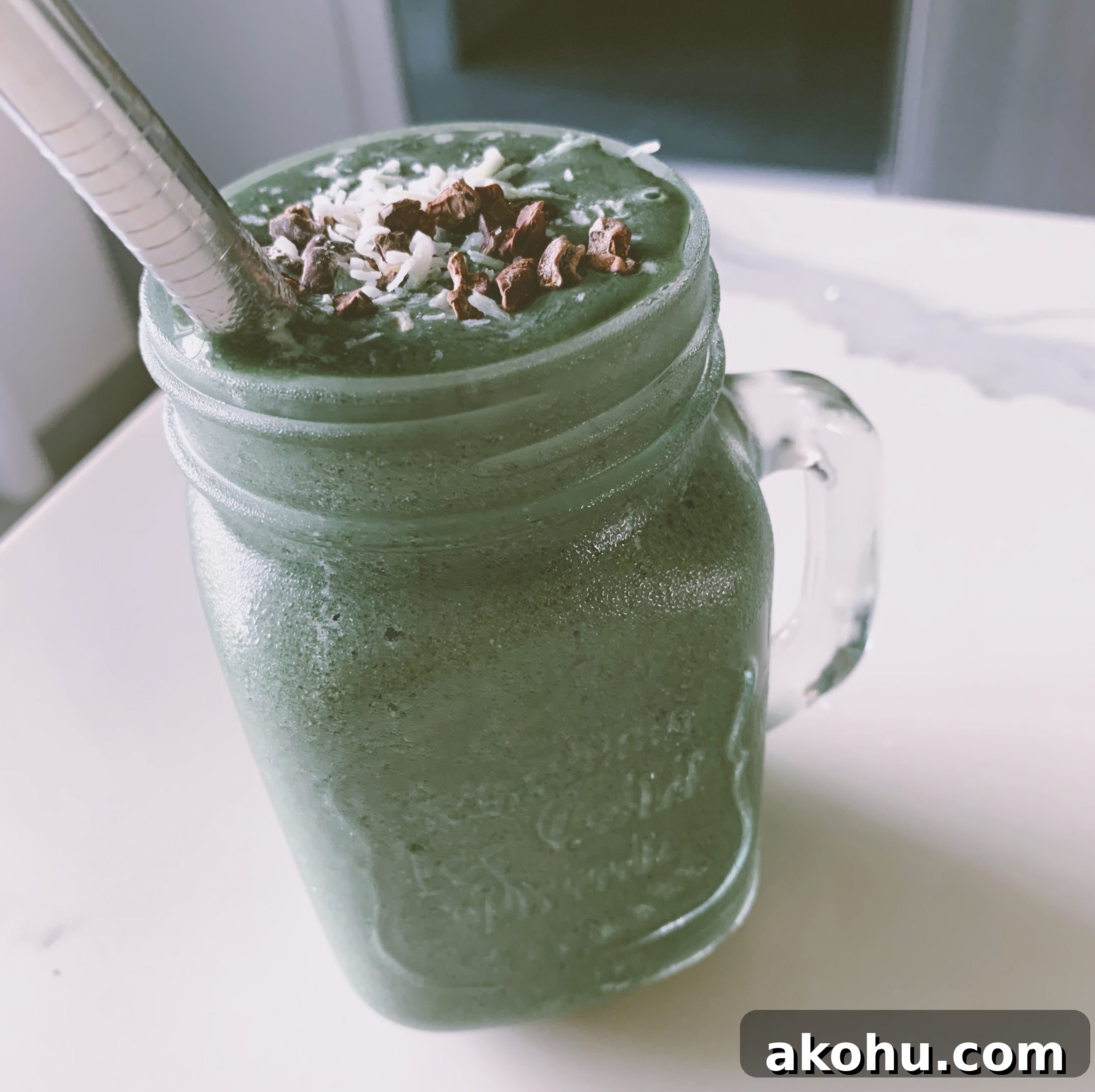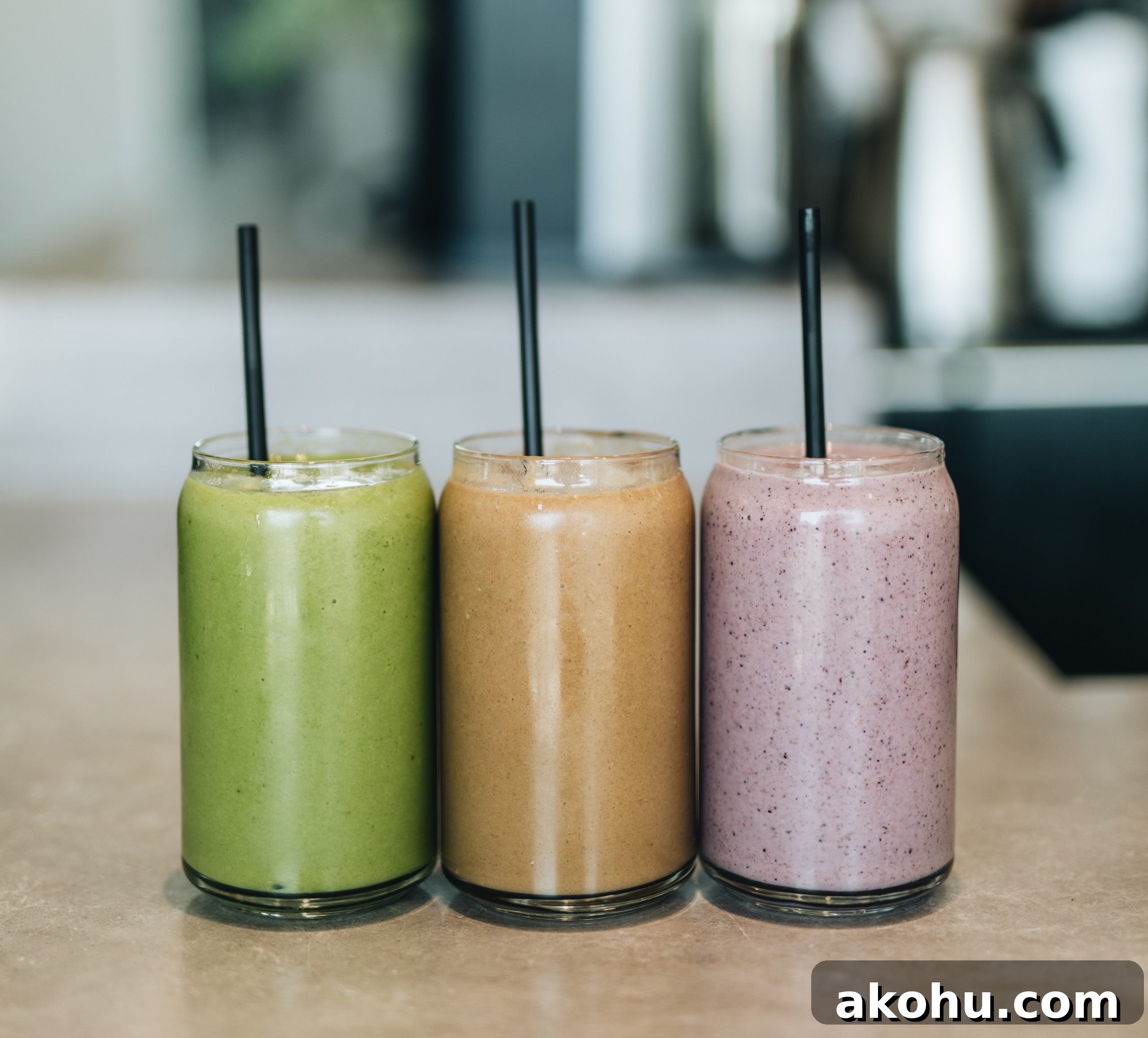
Smoothies can be a great option for a quick and tasty meal replacement.
I personally enjoy a smoothie for breakfast most days. They are fast, convenient, and—when composed well—packed with the nutrients my body needs to start the day. A properly balanced smoothie can be nutrient-dense, filling, and support steady energy for hours.
Smoothies are popular as meal replacements and snacks, but if prepared poorly they can turn into sugar-heavy drinks that leave you hungry and craving more. To make a satisfying, healthful smoothie, focus on balancing macronutrients and adding fiber and whole foods.
Keep these tips in mind when building your smoothie:
- Fat: Dietary fat has minimal effect on blood sugar and helps slow digestion when eaten with carbs and protein. This slows sugar absorption and helps you feel satisfied longer, preventing the mid-morning slump.
- Protein: Protein supports satiety, steadies blood sugar, and helps preserve muscle mass. Including a good protein source turns a smoothie into a true meal replacement.
- Fiber: Fiber thickens the texture, slows sugar absorption, supports healthy digestion, and feeds a balanced gut microbiome. It also contributes to longer-lasting fullness.
- Leafy greens, vegetables, and herbs: These add fiber, vitamins, minerals, and antioxidants. Rotating different greens and herbs changes the nutrient profile and keeps flavors interesting.
- Fresh and frozen fruits: Fruit brings flavor, sweetness, and additional vitamins and fiber. Use modest portions to avoid blood sugar spikes—less is more.
- Toppings: Adding a topping that requires chewing is beneficial. Chewing releases salivary enzymes and sends signals to the digestive system to secrete stomach acid and digestive enzymes, improving nutrient breakdown and absorption.
Follow this simple template to build a balanced smoothie every time
1. Start with your base
Use about 1 cup of liquid plus a handful of ice. Choose from coconut milk, coconut water, unsweetened nut milk, or filtered water, or a combination. The base sets the tone for texture and flavor—use less liquid for a thicker bowl-style smoothie, more for a drinkable smoothie.

2. Add fat
Fats enhance absorption of fat-soluble vitamins and keep you feeling full. Add 1 tablespoon of coconut butter, nut butter, tahini, coconut oil, MCT oil, or 1/4 avocado. These fats improve mouthfeel and satiety while keeping blood sugar stable.
3. Add fiber
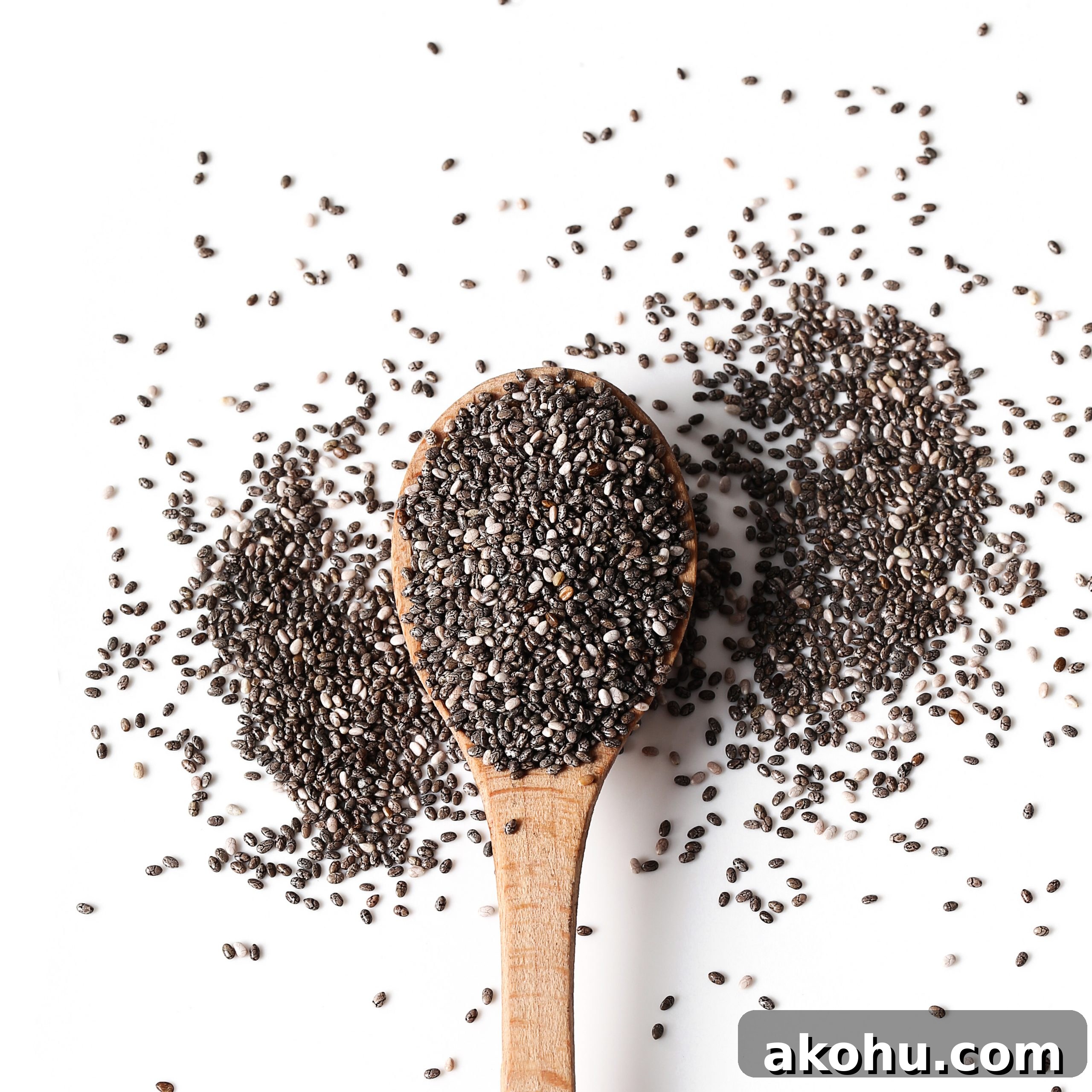
Fiber thickens the smoothie and helps maintain fullness while balancing blood sugar. Add 1–2 tablespoons of chia seeds, ground flax, or a prebiotic fiber powder. These ingredients also support digestive health and can improve texture.
4. Add fruits and vegetables
Fruits and vegetables supply fiber, vitamins, minerals, and antioxidants. I prefer keeping fruits and vegetables frozen for a creamier texture and longer shelf life. Choose moderate portions of fruit to avoid excess sugar.
Fruits: pick one—1/2 a banana, 1/2 cup chopped mango, 1/2 cup chopped pineapple, 1/2 chopped apple, or 1/2 cup berries or cherries. Optionally add one date for extra sweetness.
Vegetables: spinach, kale, zucchini, cauliflower, or pumpkin all blend well. The more vegetables you include, the more micronutrients you get without a lot of extra sugar.
5. Add a nutrient boost
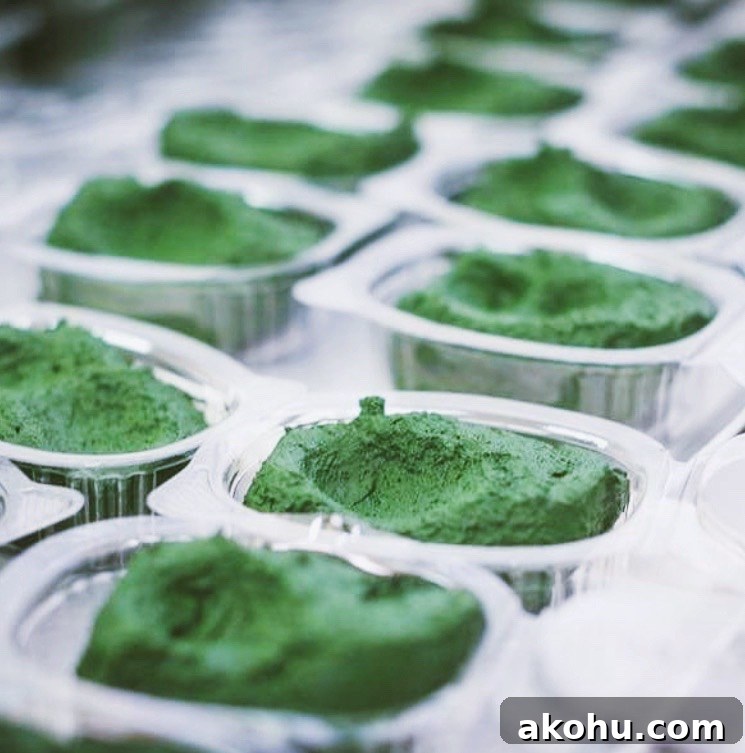
Boost the nutritional profile with small additions like spirulina, maca, aloe vera, raw cacao, Ceylon cinnamon, collagen peptides, or turmeric. These add antioxidants, adaptogens, anti-inflammatory compounds, or protein support depending on your needs. Use them sparingly to enhance flavor and nutrition without overpowering the smoothie.
6. Add protein
Protein balances blood glucose, sustains energy, and supports body composition. Many people underconsume protein; adding a protein powder or whole-food protein helps make your smoothie a complete meal. Options include grass-fed whey isolate (if tolerated), pea protein for plant-based diets, or egg white protein for a paleo-friendly option.
7. Blend and add a topping
Blend until smooth, then add a topping that requires chewing to further stimulate digestion and improve nutrient absorption. Good toppings include raw cacao nibs, shredded coconut, chopped nuts, and activated sunflower or pumpkin seeds. These add texture, healthy fats, and additional fiber.