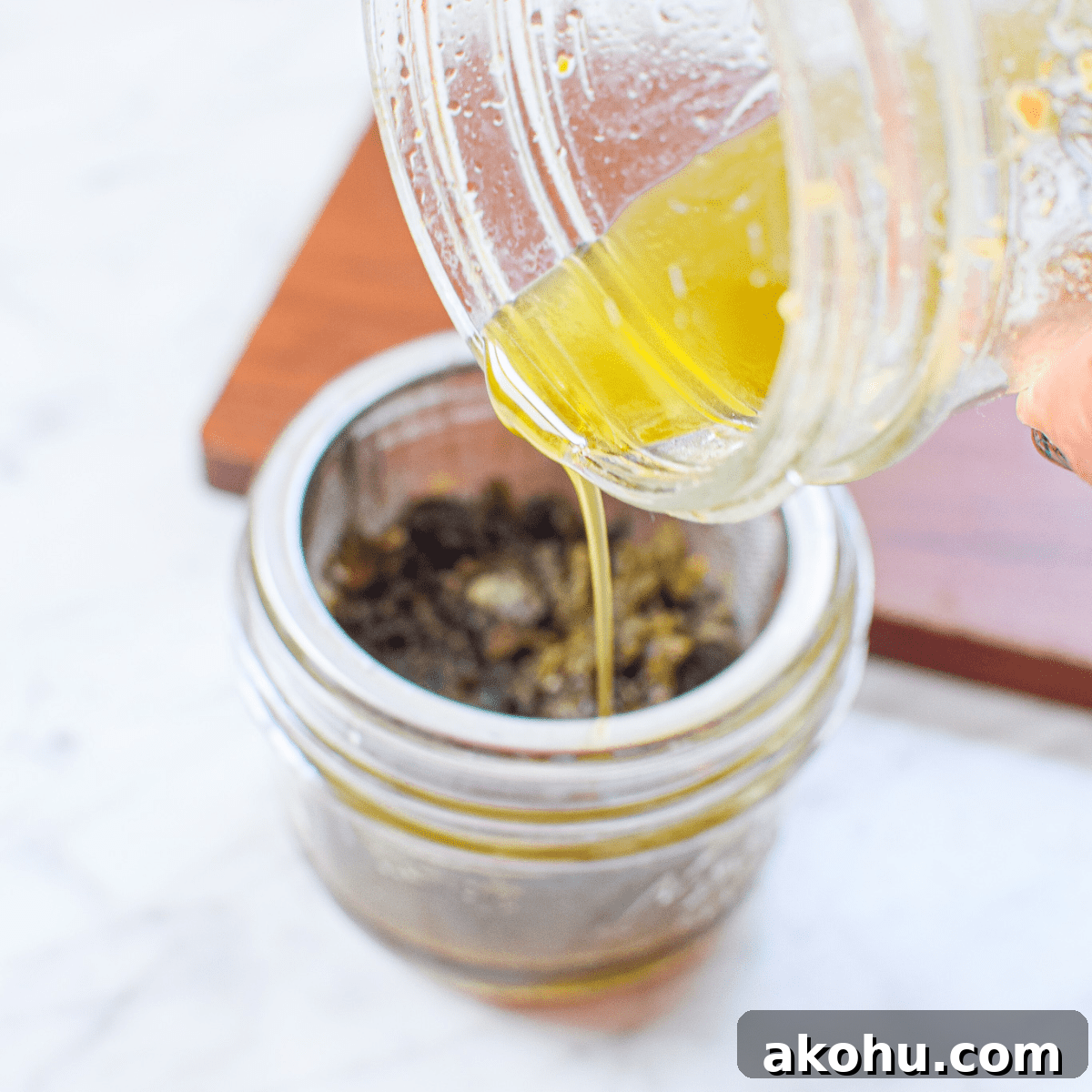
Have you made cannabutter that feels too weak or not potent enough? Don’t worry — you’re in the right place. Below you’ll find clear, step-by-step instructions to rescue a weak batch and practical tips to make a better, more reliable cannabutter next time.
Article Features
- How to fix weak cannabutter quickly and safely
- Common mistakes to avoid when rescuing or making cannabutter
- Prefer to skip the process? Consider professionally made cannabutter for consistent potency and flavor.

Why You Will Love This Guide
Cannabutter is a versatile way to infuse your favorite recipes, but sometimes a homemade batch doesn’t reach the potency you expected. That’s frustrating, but it’s fixable. This guide compiles practical methods and community-tested tips to help you rescue weak cannabutter and improve future batches.
We’ll cover when and how to re-infuse, how to choose quality cannabis and the right ratios, decarboxylation basics, temperature and timing recommendations, and things to avoid so your butter tastes great and performs predictably.
How to Fix Weak Cannabutter
If you have a jar of cannabutter that feels underpowered but you don’t want to waste it, you can re-infuse it. The simplest, most reliable approach is to melt the existing cannabutter, add freshly decarboxylated cannabis, and infuse again to raise the final potency.
For example, if your original recipe used 7 grams of cannabis and you want roughly double the strength, add another 7 grams (decarboxylated) to the melted butter to bring the total to 14 grams. If you’re unsure how much to add, use a dosage calculator to estimate the final THC content before you re-infuse.
How to Reinfuse
Step 1 – Weigh the additional cannabis you want to add and decarboxylate it (see tips below for decarb guidance).
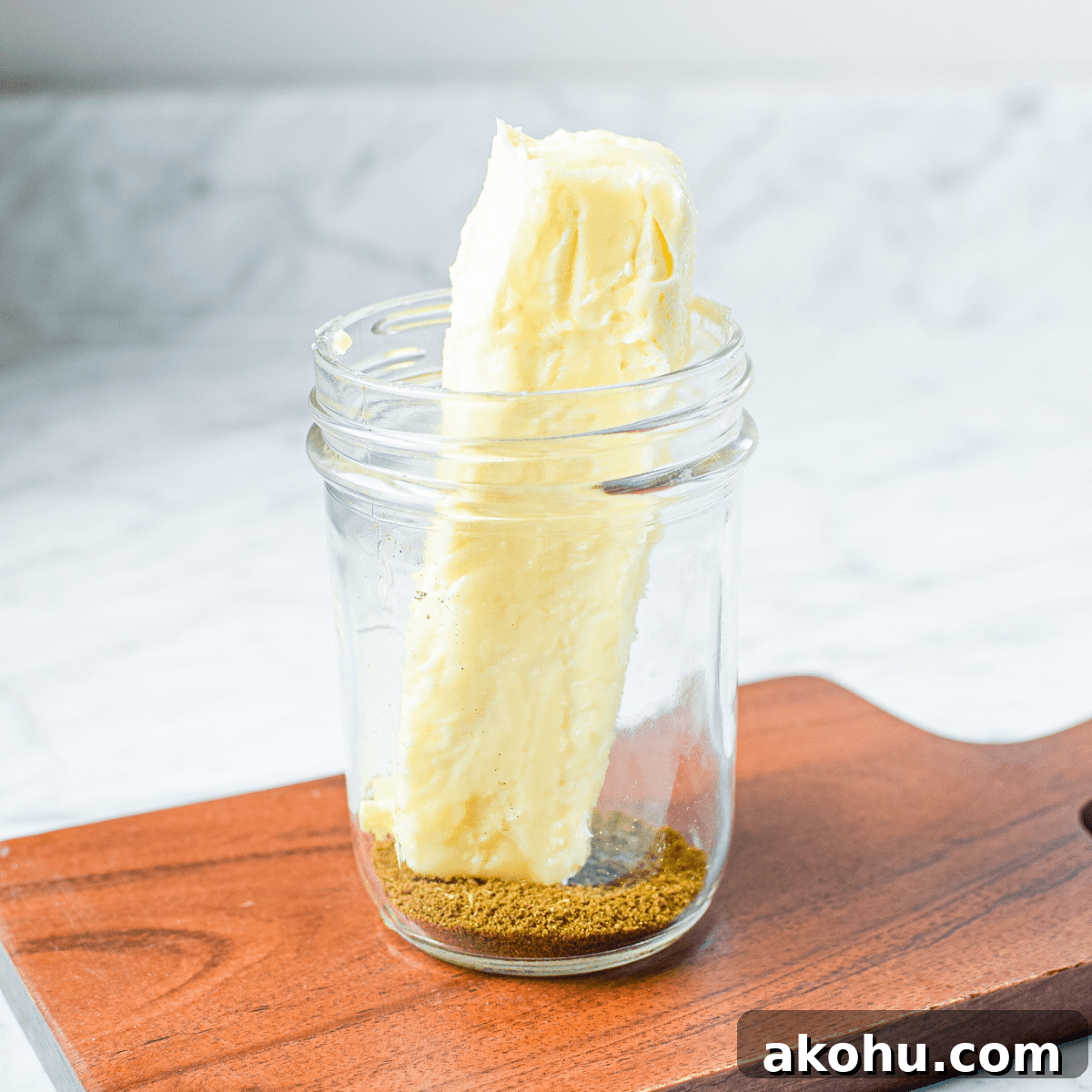
Step 2 – Combine the decarbed cannabis and the melted weak cannabutter in a mason jar or heatproof container.
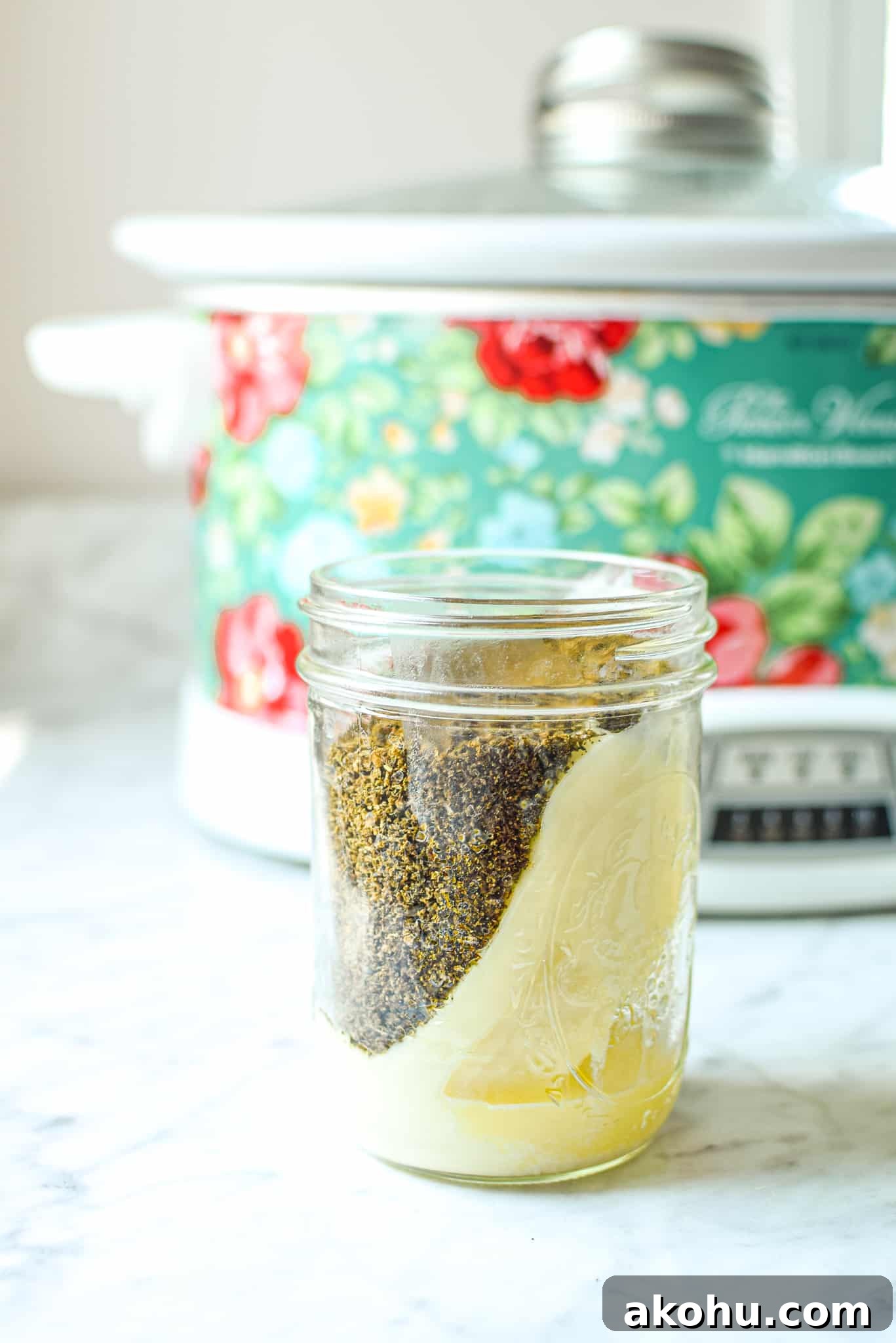
Step 3 – Place the jar in a controlled water bath for gentle, even heat. Acceptable methods include a crockpot/slow cooker, a double boiler on the stovetop, or an electric infusion device. Maintain a low, steady temperature to avoid degrading cannabinoids.
- Crockpot or slow cooker water bath
- Stovetop double boiler
- Instant Pot on a low, controlled setting
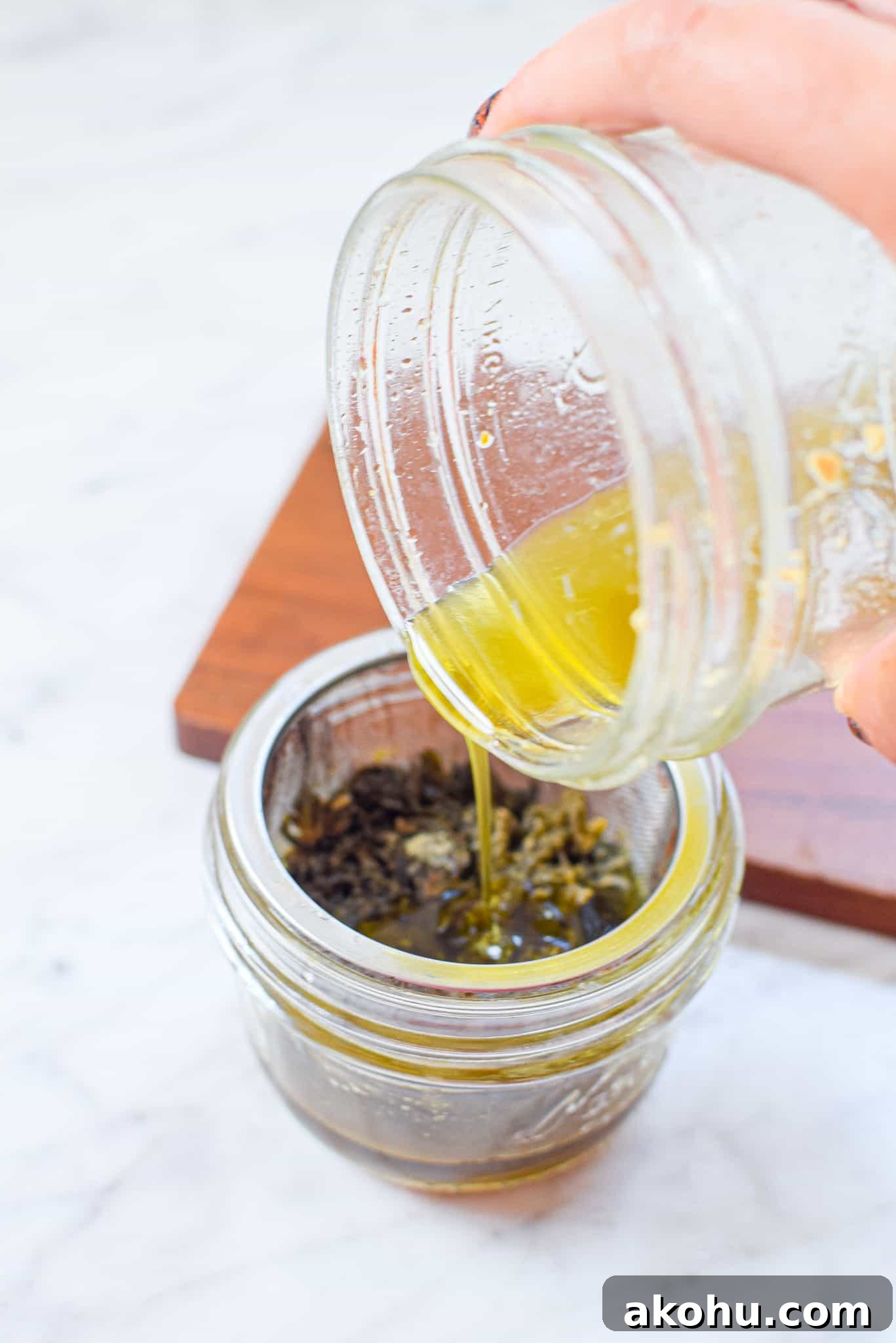
Step 4 – Let the infusion sit for about 4 hours (or longer, if desired) at a low temp, then strain the plant material and chill the butter to solidify. Adjust time if you want stronger infusion but expect more herbal/chlorophyll flavor with very long steeps.
Make Good Cannabutter The First Time
To prevent weak results in future batches, focus on quality inputs and consistent technique. The following tips will help you produce flavorful, reliably potent cannabutter.
Start with Quality Cannabis
Cannabinoid percentage (THC, CBD, etc.) in the flower determines the maximum potency you can extract. A flower testing 23% THC will yield much stronger butter than an 11% flower when used in the same ratio. Use well-cured, high-grade flower for the best results.
Know Your Products
Different cannabis products vary dramatically in potency. Gram for gram, concentrates and kief are far stronger than whole flower or trim. Typical potency ranking from strongest to weakest: concentrates, kief, flower, trim, fan leaves, stems/roots. Choose the product that matches your potency needs.
Explore Your Ratio
The ratio of cannabis to butter (or oil) controls final potency. Infusing 7 grams into two sticks of butter yields a stronger product than infusing those 7 grams into a pound. Start with a recommended flower-to-fat ratio guide and adjust for your tolerance and desired effect. Use a dosage calculator to estimate mg per serving.
Decarb
Decarboxylation converts THCA (non-intoxicating) to THC (active), so it’s essential when you want psychoactive effects. Decarb at low, controlled temperatures in the oven or an Instant Pot before infusing. If you prefer non-intoxicating acidic cannabinoids like THCA or CBDA, you may skip decarb intentionally.
Go Low and Slow
For infusion, low and steady heat preserves cannabinoids and terpenes while extracting effectively. Aim to keep the infusion between about 160–200°F (71–93°C). A water bath in a crockpot or double boiler is ideal because it prevents temperatures from spiking and helps protect delicate compounds.
What Not To Do
Avoid common missteps that can reduce quality or make your cannabutter unpalatable. Below are practices I recommend you skip unless you’re intentionally experimenting.
Do Not Grind (for infusions)
Grinding releases more chlorophyll and plant matter, leading to a greener, more herbal taste. For butter or oil infusions, gently break buds into smaller pieces rather than grinding into a fine powder. Save finely ground decarbed cannabis for recipes where you mix the powder directly into food.
Do Not Increase Heat Intensity
High heat can evaporate or degrade THC and terpenes. THC vaporizes at very high temperatures, and terpenes evaporate at much lower ones. Keep temperatures low and steady to preserve the full profile and potency of your cannabis.
Do Not Steep Excessively Long (unless you accept grassy flavor)
Very long steeps can increase potency but also draw out chlorophyll and other compounds that add an unpleasant green taste and darker color. If flavor matters, balance extraction time with taste preferences.
Do Not Add Lecithin to Regular Butter
While lecithin boosts bioavailability in some recipes, adding it to regular butter during infusion can cause separation between fat and water solids, creating a soupy texture. Use lecithin only in recipes where you need it and understand how it interacts with the fat you’re using.
Notes & Expert Tips
- If you need high doses for pain relief, consider using concentrates or kief to increase THC content without adding large volumes of plant material.
- Save spent plant material for other recipes; it can still contribute flavor and mild effects in things like brownies, pesto, or sauces.
- Be cautious when increasing milligrams of THC—start low (2.5–5 mg THC) if you’re unsure of your tolerance and follow safe dosing guidance.
- Avoid microwaving butter to melt it; use gentle warming methods to protect cannabinoids and flavor.
- Combining different strains changes the final effects, so experiment thoughtfully with strain combinations to find what works best for you.
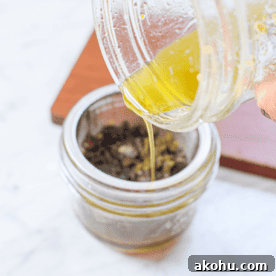
How to Fix Weak Cannabutter
Equipment
-
Pint Mason Jars
What You Need
- 1 cup weak cannabutter
- 7 grams decarbed cannabis flower (adjust amount as needed)
Instructions
-
Weigh and decarb the additional cannabis you’ll add.
-
Combine decarbed cannabis and melted weak cannabutter in a mason jar.
-
Place the jar in a water bath (crockpot, double boiler, or similar) and keep heat low and steady.
-
Infuse for about 4 hours (or longer if desired), then strain and chill the butter to set.
Notes
Frequently Asked Questions
Yes. The same re-infusion method works for most infused oils, including coconut oil, olive oil, and MCT oil. Use decarbed cannabis and a gentle water bath to re-infuse.
If you made a tincture with high-proof alcohol, you can increase potency by preparing another infusion using methods suited for alcohol-based extracts (e.g., green dragon) and combining carefully.
Dosing varies by individual. If you’re unsure, start small — 2.5–5 mg THC is a common beginner dose. Always label doses clearly and wait appropriate time before taking more.
Yes, you can re-infuse multiple times, but be aware that fat molecules have limits for how much they can carry and excessive re-infusions may have diminishing returns. Monitor flavor and texture as you go.
Store cannabutter in an airtight container in the refrigerator for short-term use and in the freezer for long-term storage. Portion and wrap individual servings if freezing for easy dosing.
Conclusion
A weak batch of cannabutter isn’t the end of the world. With proper decarb, the right ratio, and a careful re-infusion at low, steady heat, you can boost potency and salvage what you’ve already made. Use quality cannabis, avoid high heat and over-grinding, and store your finished product properly for the best results.
With these techniques and a little patience, you can consistently produce flavorful, effective cannabutter for cooking and baking.
More Cannabutter Articles For You
Shop
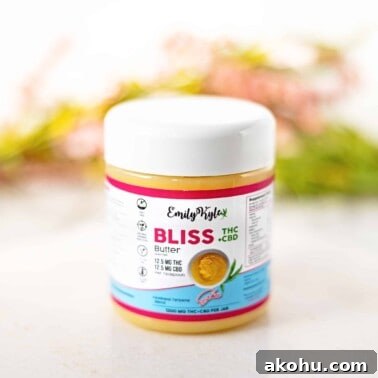
Bliss Cannabutter
Recipes & Guides
25+ Recipes Using Cannabutter
All Things Cannabutter
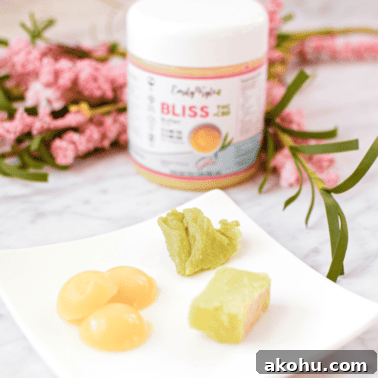
What Color Should Cannabutter Be?
All Things Cannabutter