Many people pick grilled chicken sandwiches at fast food restaurants believing they’re making a healthier choice. As a dietitian, I worry that diners aren’t aware of the hidden risks of eating too much fast food grilled chicken breast. Is fast food grilled chicken actually healthy? What goes into it, and how do those ingredients affect its nutritional value?
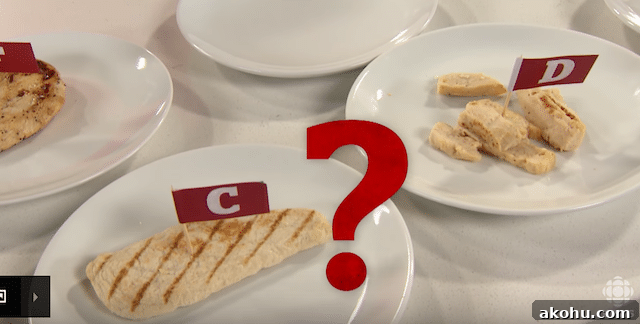
CBC Marketplace investigated grilled chicken breasts sold by major fast food chains to learn how they are made. They sent samples to independent labs for DNA and nutritional analysis and requested ingredient lists and nutrition information from each company. Marketplace reporters also consulted a food scientist to explain why certain ingredients are added during production.
You can watch the CBC Marketplace fast food grilled chicken investigation for the full details.
Is Fast Food Grilled Chicken Healthy?
I worked with the CBC Marketplace team as their nutrition expert to flag concerns, analyze lab results, and suggest questions for the food scientist. I was already aware of some questionable ingredients used in frozen and processed chicken, but I wanted to see which chains used the least processed, healthiest options.
The investigation revealed that many fast food grilled chicken products differ substantially from home-cooked chicken in texture, ingredient list, and nutrition.
I also appeared on CBC News Network to discuss the Marketplace findings and what they mean for consumers.
Rubber Chicken, Anyone?
It may surprise you that many fast food restaurants do not use a simple whole chicken breast on sandwiches or salads. The rubbery texture some consumers notice is a clue: these products are often altered with additives that keep the meat tender, allow freezing and reheating, and help retain moisture during transport. Those processing steps change the product’s nutritional profile.
Fast Food Companies are Misleading You with “Healthy” and “Natural” 100% Chicken Breast
Marketing can be misleading. Chains advertise terms like “100% chicken,” “natural,” and “fresh,” and pair that language with healthy images. According to regulatory definitions in some jurisdictions, a product can still be labeled “chicken” even if a relatively small portion of its protein comes from actual chicken. That technicality allows heavily processed items to be marketed as if they were simple, whole-food chicken.
This creates a health halo that encourages consumers to believe they’re choosing a wholesome option when that may not be the case. As a dietitian, it’s frustrating to see people trying to make better choices but being misled by marketing.
Fast food grilled chicken breast is not the same as home-cooked chicken.
The “Big 3” Sketchy Ingredients in Fast Food Chicken
Several additives commonly found in fast food grilled chicken are concerning. I focused on three major categories consumers should be aware of: 1) sodium; 2) phosphate additives; and 3) added sugars and starches.
1. Sodium
Excessive sodium raises the risk of high blood pressure and can strain the kidneys. While fast food is known for high sodium levels, even grilled chicken options can be surprisingly salty.
- Lab-tested fast food samples contained 7 to 10 times more sodium than the same serving size of home-cooked chicken breast.
- Some grilled chicken sandwiches contained as much or more sodium than a cheeseburger with medium fries, sometimes approaching 1,000 mg—about two-thirds of the recommended daily limit in one meal.
2. Phosphate Additives
Phosphates are added because they help proteins retain water, making processed chicken appear juicier and plumper. However, there are health concerns associated with high dietary phosphate intake.
Phosphate additives may pose risks similar to past controversial food additives; emerging research links high phosphate intake to vascular damage and other health issues.
Studies to date are largely associative rather than causal, but the patterns are concerning and suggest fast food chicken should be an occasional choice rather than a daily staple—especially for people with chronic kidney disease, who must limit dietary phosphate.
- In the samples tested, only one of six fast food chicken products listed no phosphate additives. Reading ingredient lists is essential.
- Tip: Any ingredient name containing “phos” (P-H-O-S) is likely a phosphate additive—avoid products listing these if you want to limit phosphates.
3. Sugars and Starches
Ingredients like maltodextrin, corn starch, sugar, and malt may appear in grilled chicken to improve texture, flavor, or moisture retention. Home-cooked plain chicken contains essentially zero carbohydrates, but processed fast food chicken samples showed up to 10% of calories from carbs because of added starches and sugars.
That added carbohydrate load matters: place that chicken on a bun with sweet sauces and the sandwich can have the glycemic impact of several slices of bread. That can spike blood sugar and insulin and undermines the idea that the meal is a low-carb, healthy choice.
Fast Food Grilled Chicken: Lower in Protein than Home-Cooked
On average, the tested fast food chicken samples provided about three-quarters of the protein found in an equivalent portion of home-cooked chicken breast. The addition of sugars, starches, and other non-meat ingredients dilutes protein content. Some chains use soy protein or other additives in marinades or brines to boost protein on labels, which raises questions about the true composition of the meat used.
DNA Test Reveals Subway Grilled Chicken is Less Than 50% Chicken
Independent DNA testing during the investigation found that one popular chain’s grilled chicken product contained less than 50% chicken. That finding led to a public dispute between the company and CBC. Retesting confirmed the initial DNA results.
My view: if a product is marketed as wholesome and made from recognizable whole ingredients, the recipe should match that claim. Investigative reporting plays a crucial role in holding companies accountable and helping consumers make informed choices.
Tips For Choosing Healthier Fast Food Grilled Chicken
Given these findings, you might avoid fast food grilled chicken entirely—but there are times when fast food is the only option. In those cases, use these tips to choose a better option:
- Choose unbreaded chicken to cut calories, oil, and refined carbs.
- Read ingredient lists when available and avoid products that list phosphate additives.
- Check the nutrition facts and aim for meals under about 400 mg of sodium when possible.
Save this article for reference if you want a quick checklist when you’re ordering.
Take Action for Healthier Chicken!
If you’re concerned about ingredients or labeling, consider contacting fast food companies and your local food safety or inspection agencies to express the need for clearer standards on what can be labeled as chicken.
The most reliable way to control ingredients and nutrition is to cook at home. Check ingredient lists on packaged chicken and avoid phosphate additives. Meal prepping and batch-cooking chicken breasts for sandwiches, salads, and recipes during the week makes it easier to choose healthier options.
Try roasting or baking simply seasoned chicken breasts and using them throughout the week so you aren’t tempted by processed fast food options when you’re short on time.
Were you surprised by what’s in fast food grilled chicken? Share your thoughts and experiences with processed chicken and how you make healthier choices.