Among the questions I’m frequently asked about living gluten-free are “How do I raise healthy kids?” and “How do you heal your gut?” Surprisingly, the answers overlap a great deal.
Like all parents, I worry that my children get proper nutrition at home, at school, and when they’re with friends. Teaching them that food is fuel helps them make good choices when I’m not around, and I also look for smart ways to sneak extra nutrition into meals.
I discovered a product my kids actually enjoy that makes mornings easier: Doctor Rach’s Kidzshake™. We blend vanilla or chocolate shakes and often add bananas or other fruit. The result is a quick, nourishing breakfast even on busy days.

Although our family avoids lactose, we aren’t strictly vegan, and Kidzshake works well for us. The protein is whey (a milk protein). The shakes contain 17 essential vitamins and minerals, fiber, probiotics, enzymes and omega-3s. They’re sugar-free but not chalky or artificial tasting—my kids actually ask for them. The shakes are also gluten-free, non-GMO, and free from nuts, soy and lactose.
I’ve tried many protein powders, and most were rejected by my kids. Kidzshake delivers solid nutrition and a taste they like, so it became a staple in our routine.
Because I wanted to learn more, I tracked down the founder, Dr. Rach, to understand why she developed these shakes and to get her perspective on nutrition and gut healing. I interviewed her on my radio show, The Gluten Free Voice, and was impressed by her knowledge. I invited her to share practical guidance about gut healing and nourishing meals on a gluten-free diet, and I’ve included her insights here for easy reference.
✦ Please share your thoughts in the comments: how do you add nutrition to your kids’ meals? What have you done to heal your gut? What are your favorite nutritious gluten-free products? ✦
I am known as “The Children’s Nutrition Advocate,” and I’m passionate about helping parents improve their children’s health through proper nutrition. I’m from Sydney, Australia, where I studied nutrition and completed a Bachelor of Medical Science, majoring in Nutritional Biochemistry. I then trained in chiropractic care and practiced for 10 years in Sydney before moving with my family to Utah.
My husband was diagnosed with celiac disease at age five, and two of my four daughters also have celiac disease. I create gluten-free nutritional products specifically designed for children with gastrointestinal issues.
Receiving a diagnosis like celiac disease or gluten sensitivity is significant. Often people are told what to avoid but not how to rebuild a damaged gut or correct resulting nutrient deficiencies.
Gut health matters. A healthy gut allows proper assimilation of vitamins, minerals and phytonutrients. The gut also houses the enteric nervous system—our “second brain”—and produces much of the body’s serotonin, which influences mood and concentration. About 80% of the immune system resides in the gut, so gut health affects disease resistance. Improving gut health supports nutrient absorption, mental well-being and overall health.
How can you heal your gut? In functional medicine, the process often follows five “R’s”:
- Remove stressors—Eliminate gluten completely. If your gut is damaged, you may be sensitive to other foods; a short-term elimination diet can help identify triggers. Choose non-GMO foods when possible, since GMO crops can carry pesticide residues that harm the gut lining and contribute to leaky gut and inappropriate immune responses.
- Replace—Replace digestive enzymes. Whole foods contain natural enzymes that aid digestion, but cooking and processing reduce them. When the body has been under stress, enzyme production can fall. Supplementing with digestive enzymes helps you extract more nutrition from food.
- Reinoculate—Restore healthy gut bacteria. There are trillions of microorganisms in the gut, and poor diet, illness and antibiotics can deplete beneficial bacteria. Probiotic-rich foods—yogurt, kefir, sauerkraut and kombucha—and targeted supplements can help rebalance gut flora. Limit added sugars, since sugar feeds harmful bacteria.
- Repair—Provide nutrients that support gut repair. Vitamins A, C and E, omega-3 fatty acids, and the amino acid glutamine are important for healing the gut lining and promoting recovery.
- Rebalance—Address lifestyle factors. Sufficient sleep, regular exercise and stress-management techniques all support gut health and overall well-being.
What should a daily diet look like? Many people rely on processed gluten-free products that can be high in sugar and additives. Healthy eating while gluten-free follows the same principles as healthy eating for everyone.
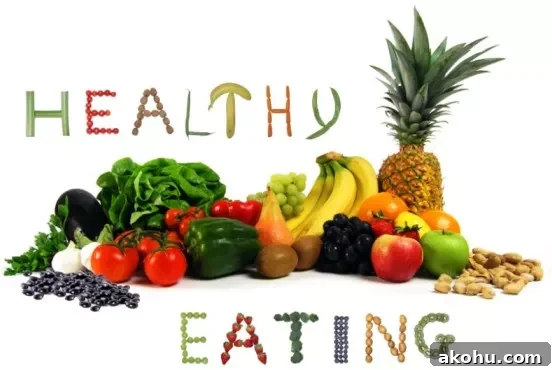
I recommend a diet rich in vegetables and fruit, along with nuts, seeds, organic meats and dairy (if tolerated), gluten-free whole grains, legumes, and healthy fats like coconut oil, olive oil and nut oils. Omit any foods that cause intolerance.
Dinners can include salads, soups and stews, broiled or poached proteins, brown rice and quinoa. Cooking with herbs and spices improves flavor and can enhance healing properties. Simple, whole-food meals are the best foundation for health.
Because soil depletion has lowered nutrient levels in produce, it can be difficult to meet all vitamin and mineral needs through food alone, so I recommend a good multivitamin to supplement the diet.
For more information about healthy eating and children’s nutrition, visit my website and sign up for the newsletter for practical tips and guidance. You can also explore resources on raising gluten-free kids and helping children eat more vegetables.
For information about the KidzShake product range, visit the Kidzshake website or contact me directly at [email protected].
Some links in this post may be referral links. If you purchase through a link, I may receive a small commission at no additional cost to you, which helps cover web hosting and blog expenses. See the disclosure policy for details.