These authentic Mexican sauces will elevate your meals from good to extraordinary. They add flavor and heat to chips, tacos, burritos, enchiladas, and more.
- How to Serve Mexican Sauces
- Are Red Chiles or Green Chiles More Spicy?
- Are Mexican Sauces Very Spicy?
- Salsa Roja “Red Sauce” Recipes
- Salsa Verde “Green Sauce” Recipes
How to Serve Mexican Sauces
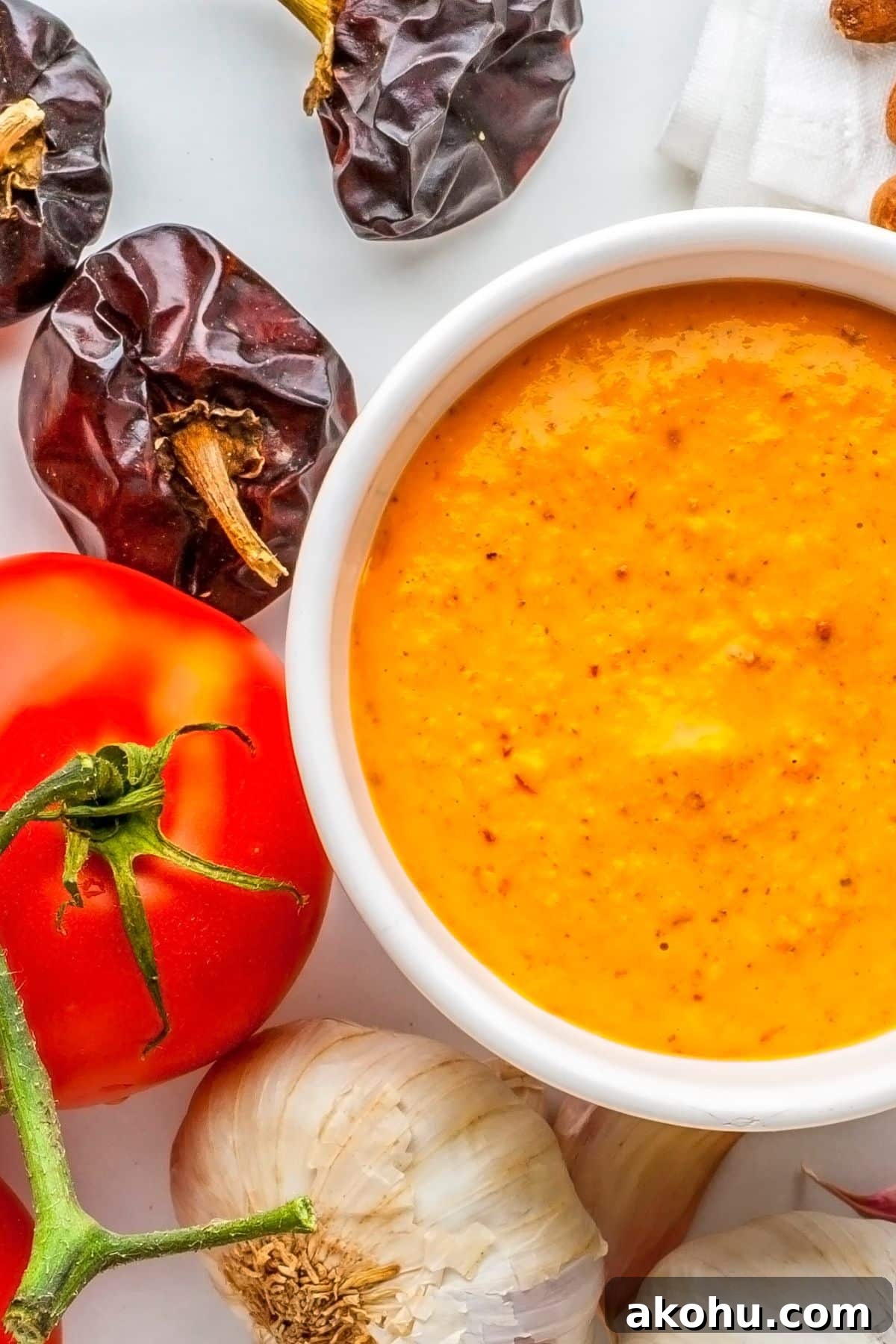
In Mexico, sauces are often thinner than the chunky salsas commonly found in the United States. Salsa simply means sauce in Spanish, and many Mexican restaurants serve multiple thin, pourable sauces at the table so each diner can adjust flavor and heat to their taste.
Restaurant dishes in Mexico are not always extremely spicy on their own. Instead, the sauces at the table control how hot a bite becomes. Sample the sauce before pouring it over food — its heat or flavor can be surprising.
Are Red Chiles or Green Chiles More Spicy?
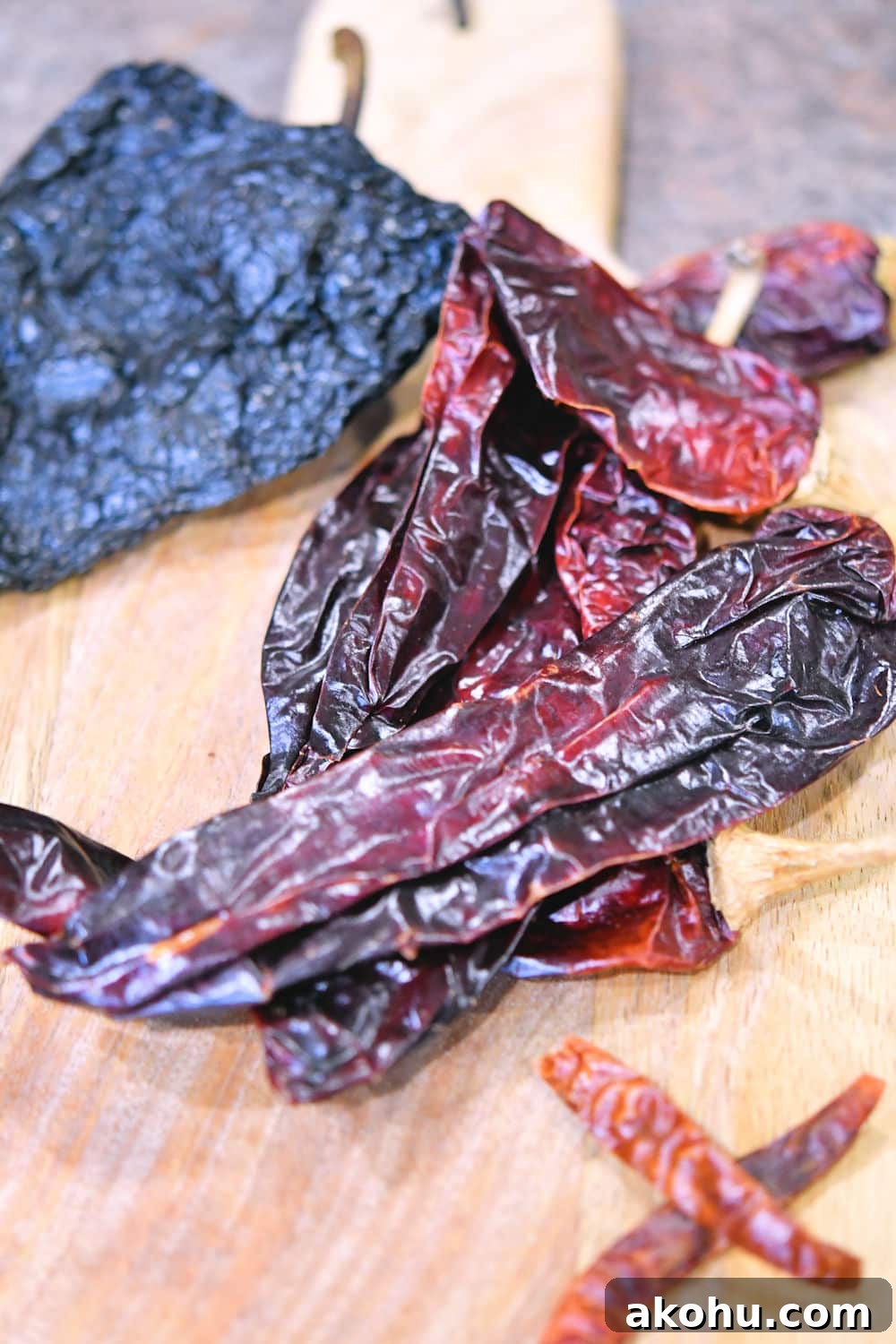
Generally, red chiles tend to register as hotter than green chiles, though heat varies widely by variety. Smaller peppers like chile de árbol and piquín pack a lot of heat. Larger and milder chiles, such as poblano or Anaheim, are much gentler.
If you want an idea of how hot different chiles are, consult a Scoville heat reference to compare varieties and their typical heat ranges.
Salsa Roja
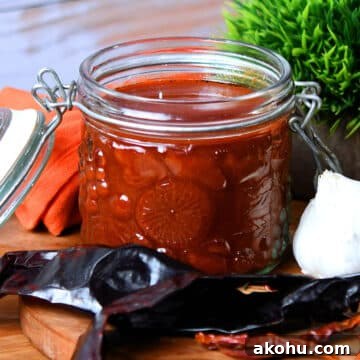
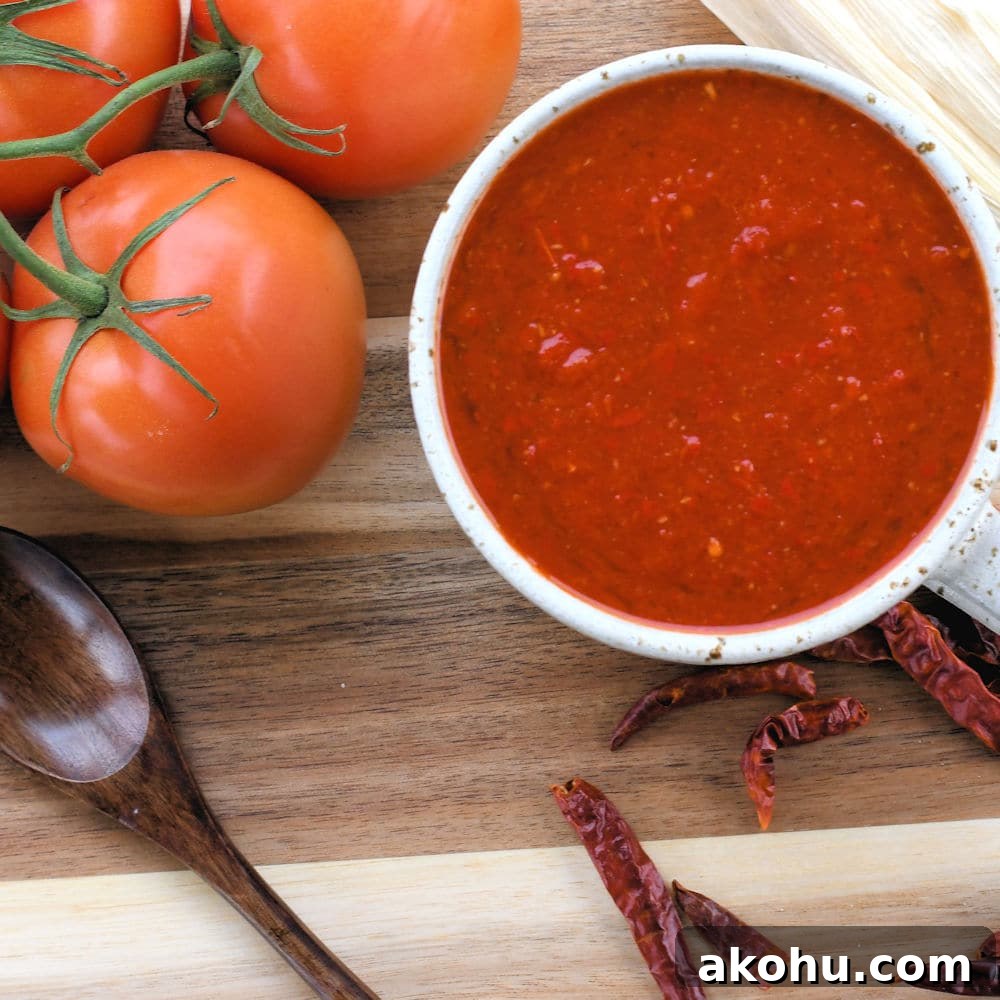
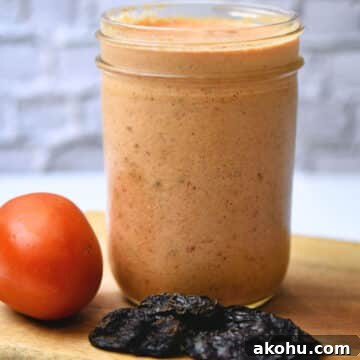
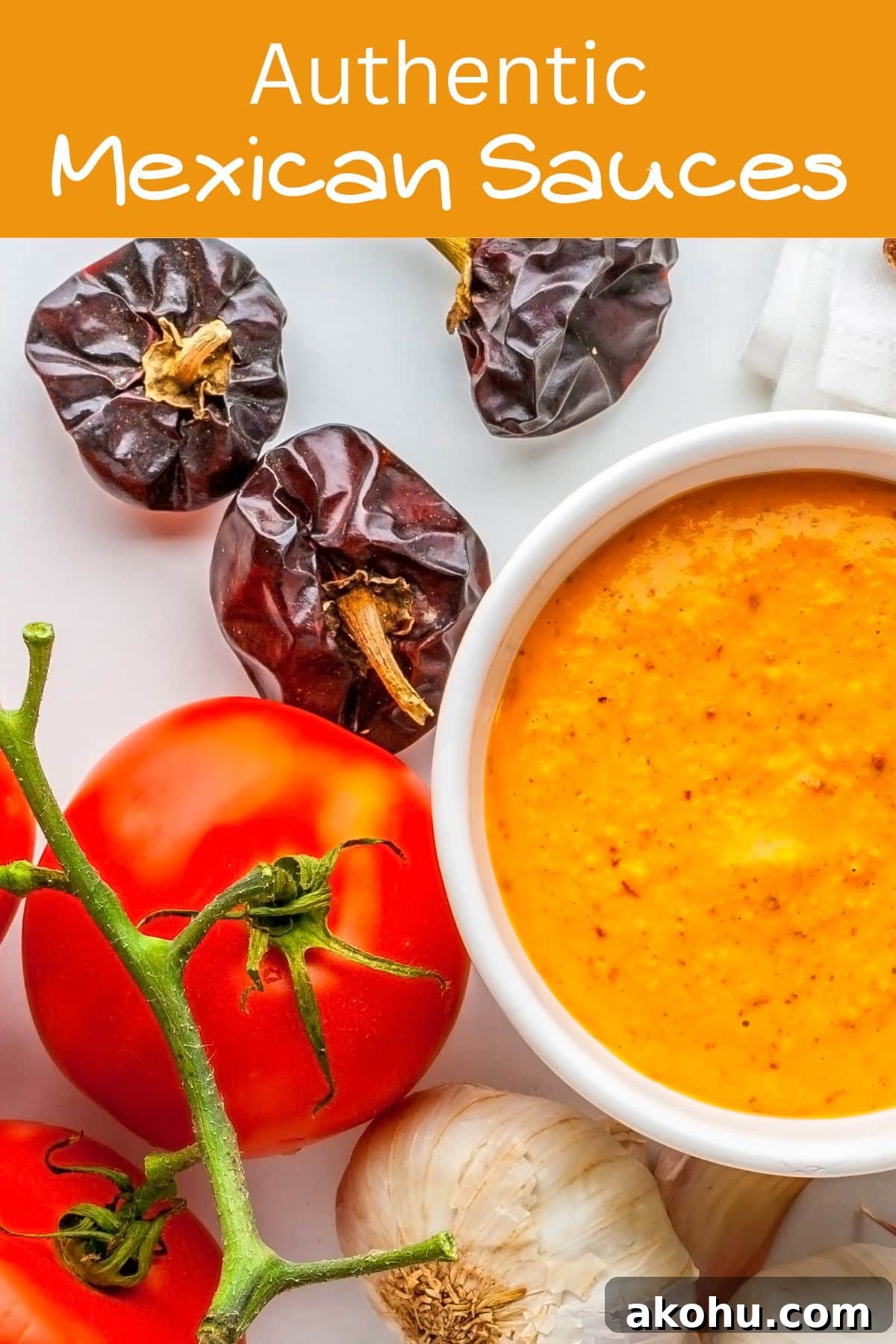
Salsa roja, or red sauce, is often made from dried red chiles that are rehydrated in hot water before blending. Some cooks toast the chiles briefly before soaking to deepen their flavor. Common additions include garlic, onion, and cilantro; a touch of tomatillo can add brightness.
Be mindful with fresh onion — it can shift the color toward orange. If you want to preserve a deep red tone, onion powder is an easy alternative that still contributes savory flavor.
 |
Browse my recipe collection to customize your search and find the perfect sauce for any meal. |
Salsa Verde
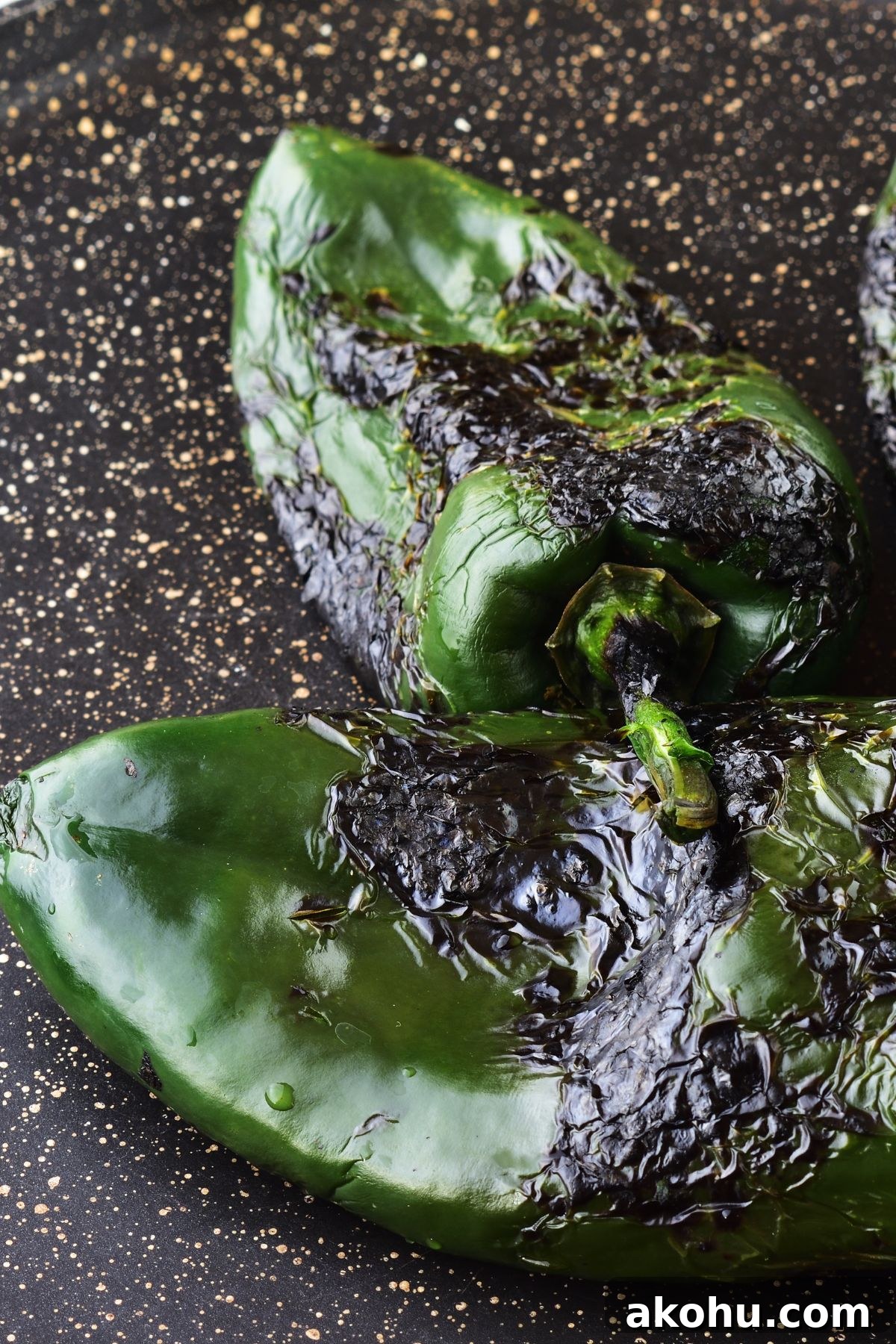
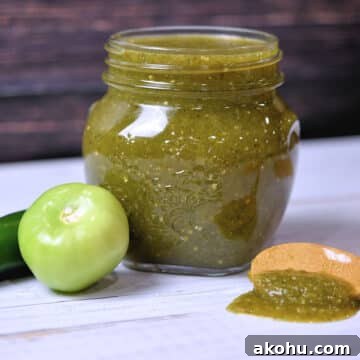
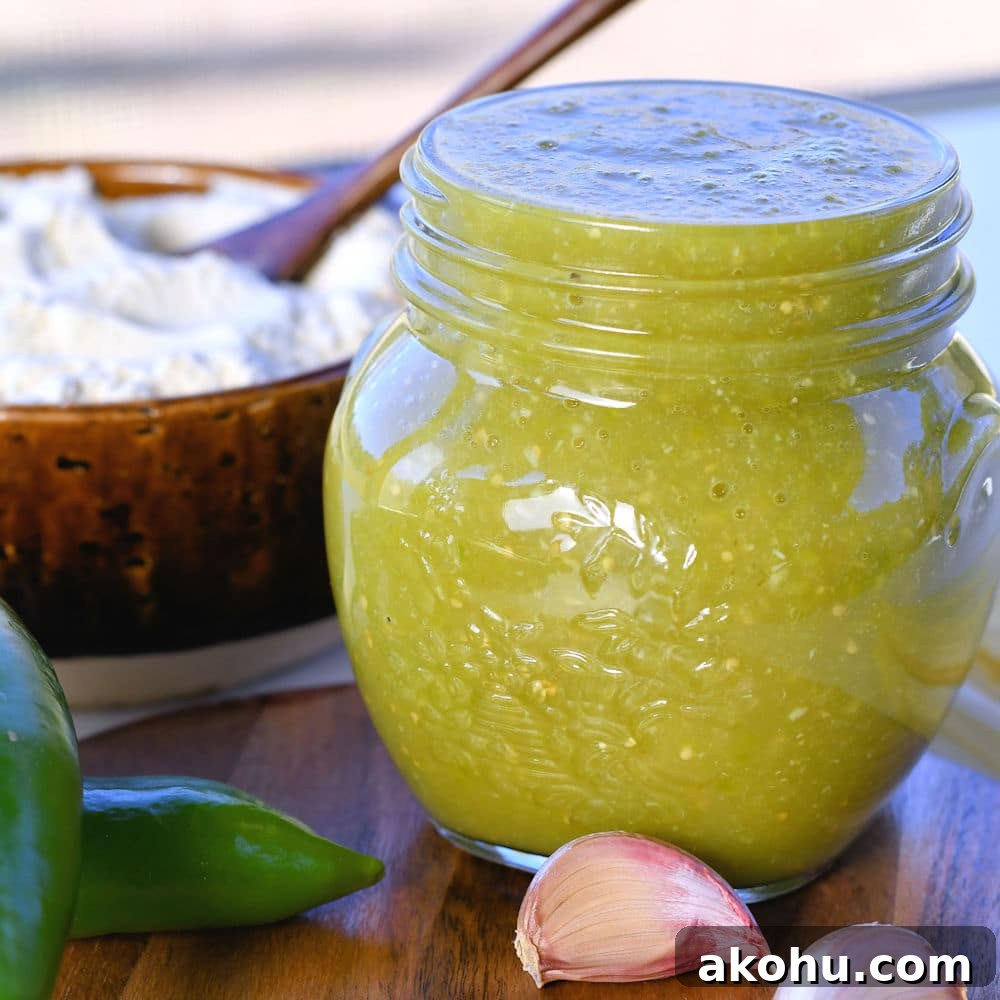
Salsa verde, or green sauce, is typically fresher and brighter than roja. It’s made from green chiles, tomatillos, onion, garlic, and cilantro. Preparation methods — roasting, sautéing, or boiling — change the flavor profile. Roasting gives a smoky, slightly charred flavor; sautéing yields a softer cooked taste; boiling is the quickest and keeps things simple.
When roasting, use high heat so the skins blister and char but the flesh remains intact; the charred skins are easier to remove and contribute a smoky note when desired.
Are Mexican Sauces Spicy?
Authentic Mexican sauces can be made as mild or as fiery as you like. Choose the chile types and proportions to control heat. For salsa roja, use mild California or ancho chiles for a gentler sauce; increase chile de árbol, piquín, or cascabel for more intensity.
For salsa verde, milder options include poblano or Anaheim; you can even use some green bell pepper to soften the heat. Add serrano or jalapeño to raise the spice level.
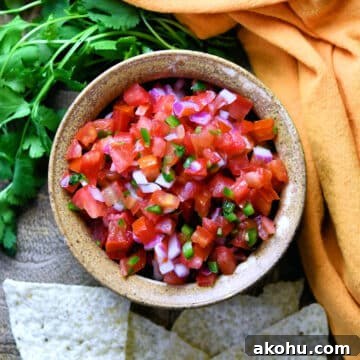
Fresh Salsa
Fresh salsas like pico de gallo are great as a side or added directly to tacos for contrast and texture. They bring a bright, uncooked freshness that pairs well with richer sauces.
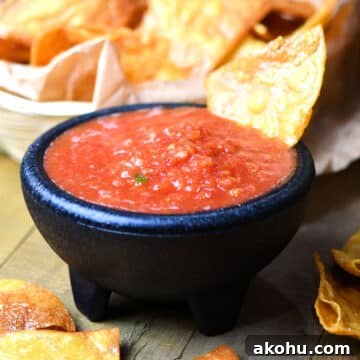
If you prefer a cooked but still fresh-style salsa, try a restaurant-style red salsa like the popular chain copycat recipes for a warm, comforting dip.
Salsa Roja (“Red Sauce”) Recipes
Salsa roja is versatile: drizzle it over tacos, smother burritos, use it as a dip with chips, or employ it as a braising sauce for meats used in tamales, birria, chile colorado, or tinga. Tasting the sauce with chips or tortillas helps you judge heat and seasoning before adding it to a full dish.
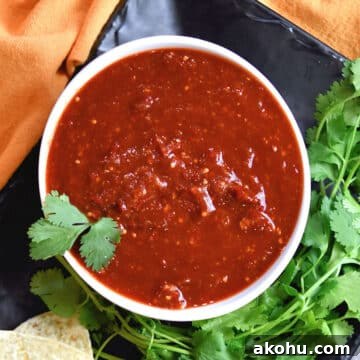
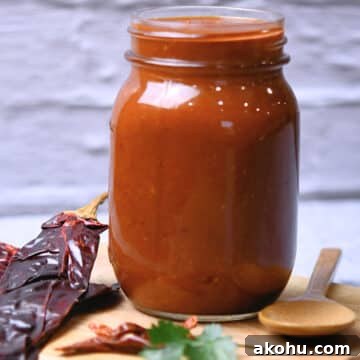
If you need a quick option, there are recipes that use ground dried chiles and can be prepared in about 10 minutes for a fast enchilada-style sauce.
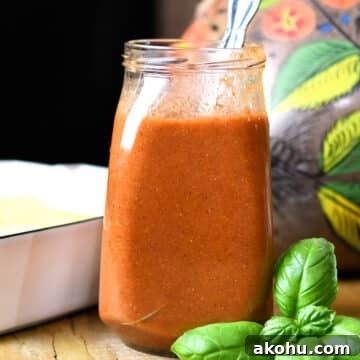
Salsa Verde (“Green Sauce”) Recipes
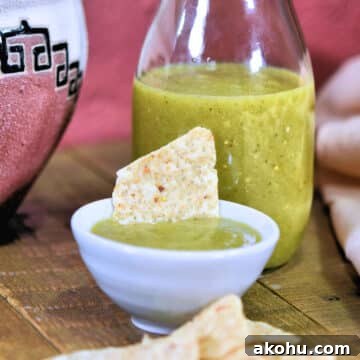
Green sauces work just as well as red ones: use them with tacos, enchiladas, tamales, or as a chip dip. Don’t limit dipping to red salsas only — verdes bring bright acidity and freshness that balance richer foods.

Avocado crema pairs well with many dishes beyond the main recipe it accompanies — use it as a side or topping to add richness and coolness.

Pin It For Later
Follow 24Bite: