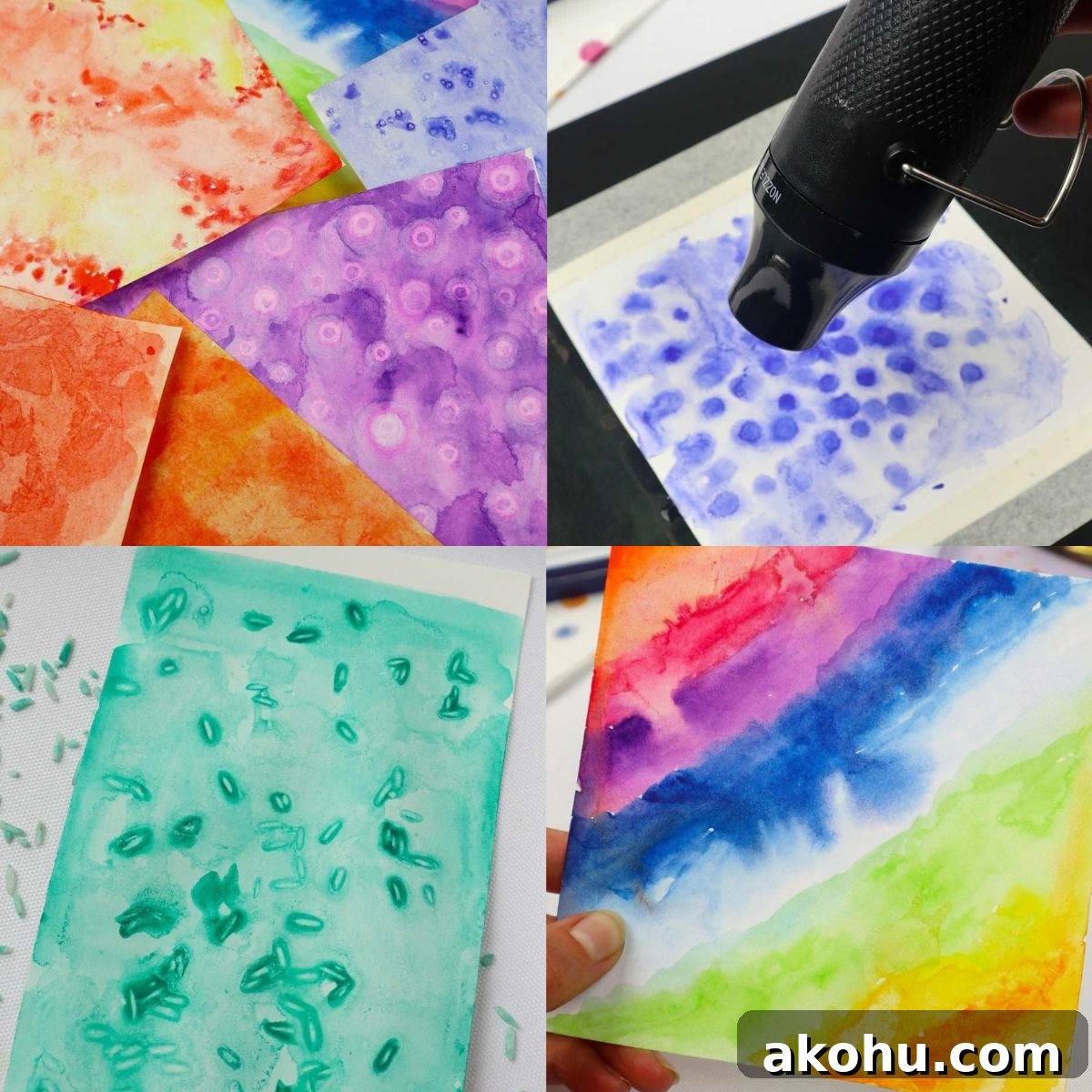
Curious about watercolor painting? It doesn’t have to be intimidating—these watercolor hacks for beginners will help you get started and improve quickly.
If you’ve recently discovered watercolors, welcome! Whether you want basic guidance or simple tricks to elevate your work, the ideas below are practical and easy to try.
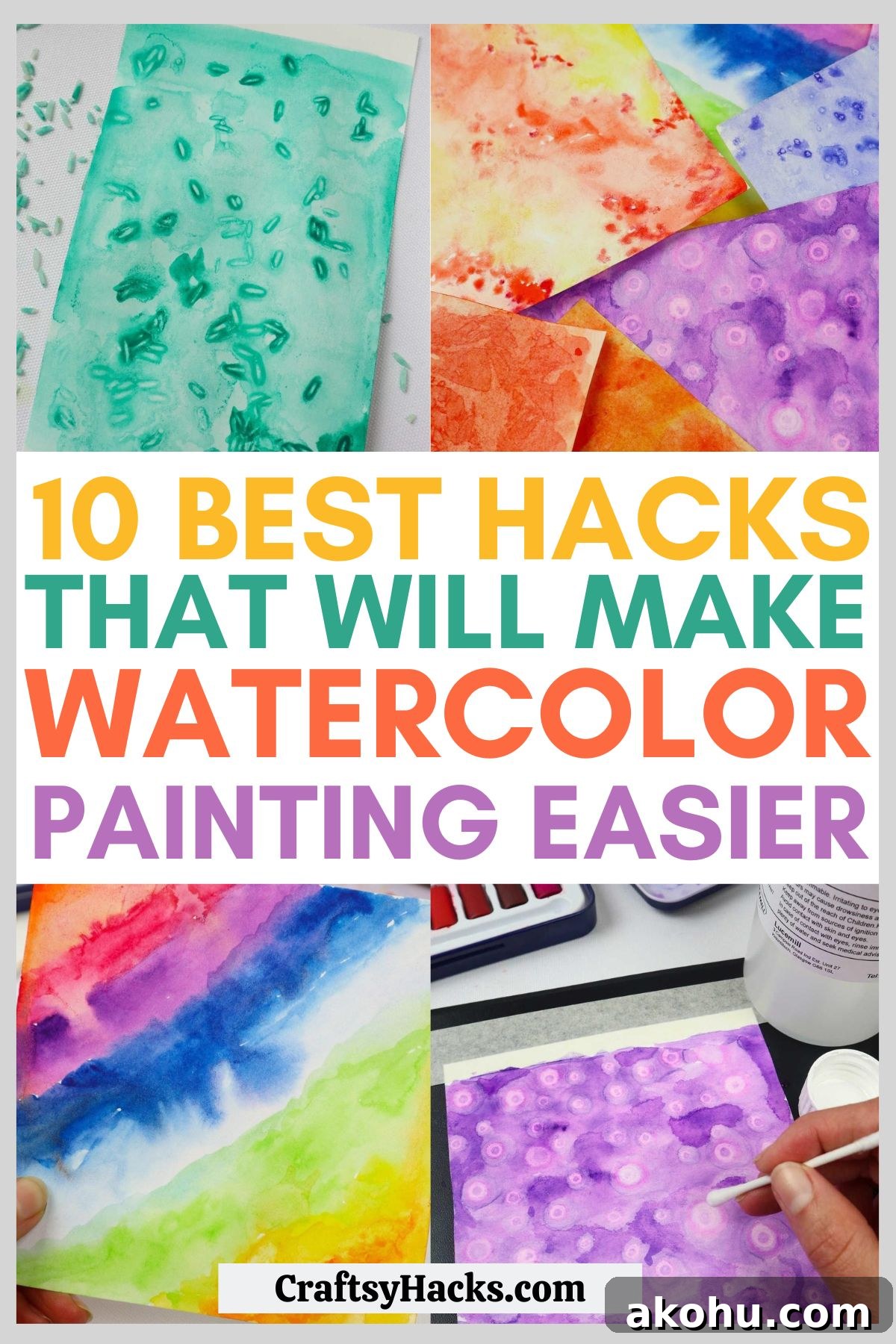
Here are ten useful hacks to help beginners practice, experiment, and become more confident with watercolor painting.
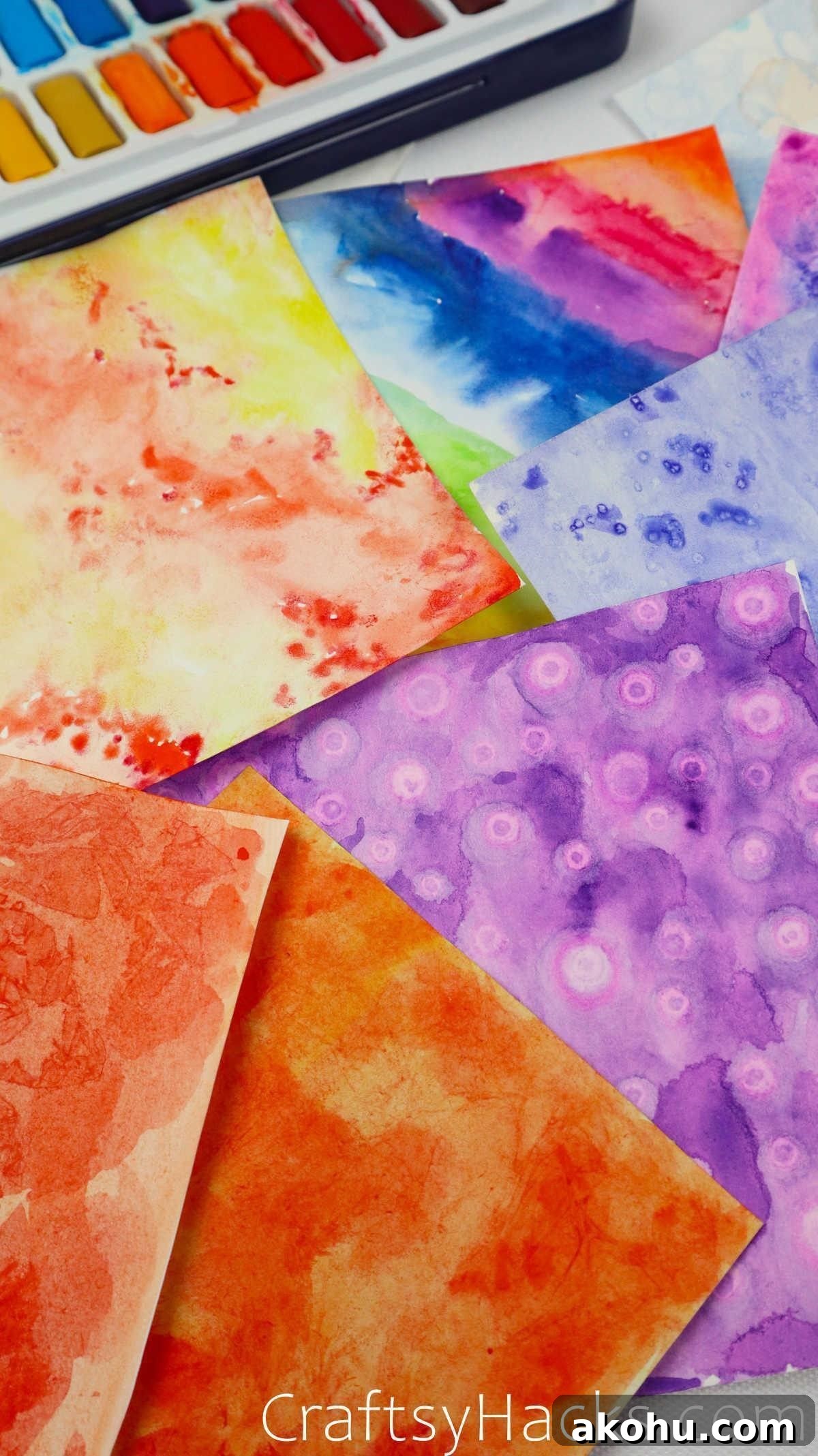
Below you’ll find techniques, everyday items to repurpose, and texture tricks that add interest to your pieces.
Try a few of these and see which ones fit your style. If you want a visual walkthrough, watch the video titled “10 Watercolor Hacks for Beginners” for demonstrations.
Now, the hacks.
10 Watercolor Hacks on Video!
1. Reduce Masking Tape Stickiness
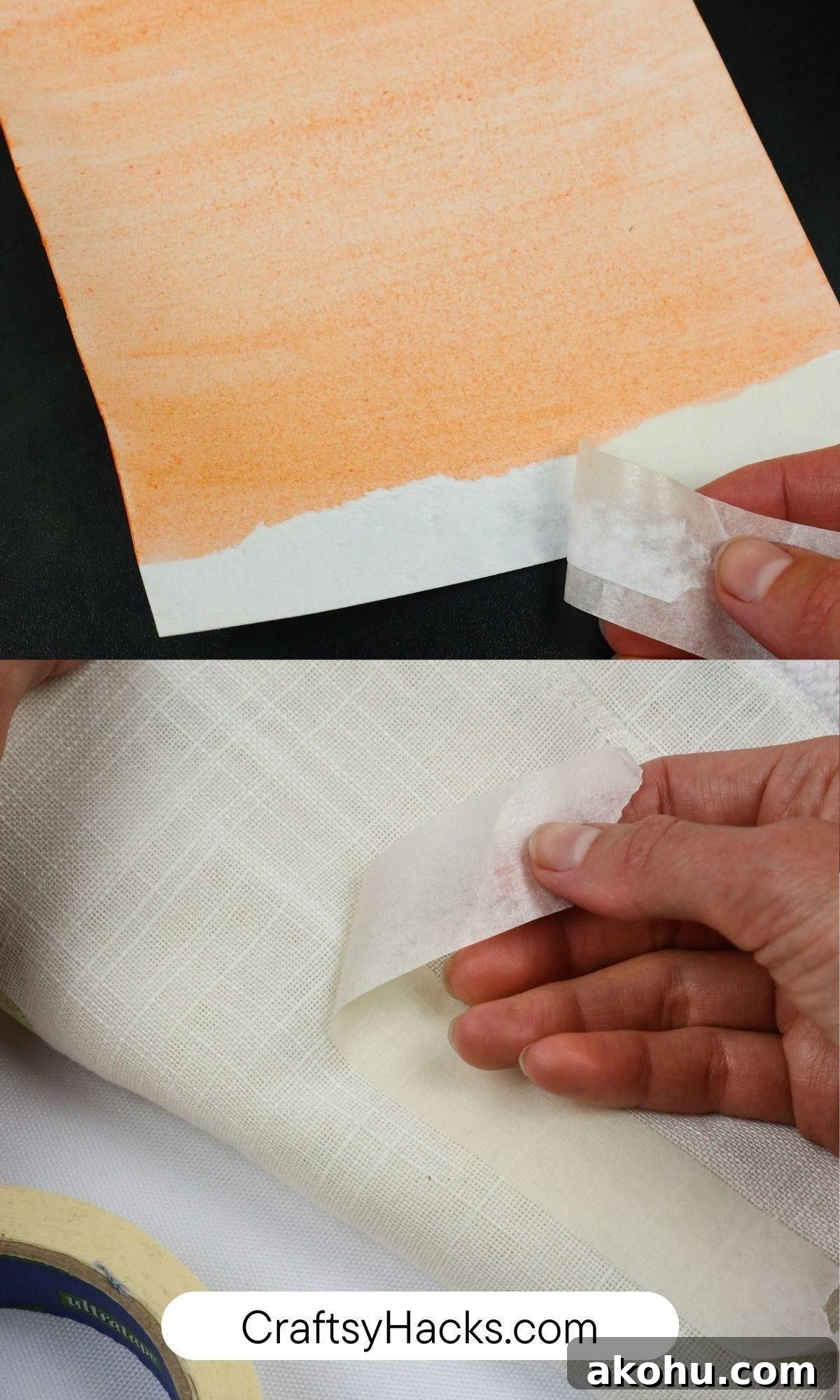
Tape can sometimes pull paper fibers when removed. To avoid damage, gently reduce the tape’s tackiness by pressing the sticky side onto a clean, soft fabric and lifting it repeatedly. This slightly eases the adhesive without removing too much hold.
Test the tape on a scrap piece first. The goal is to keep enough grip to hold the paper flat while protecting delicate edges when the tape comes off.
2. Use a Clipboard Instead of a Fancy Hardboard
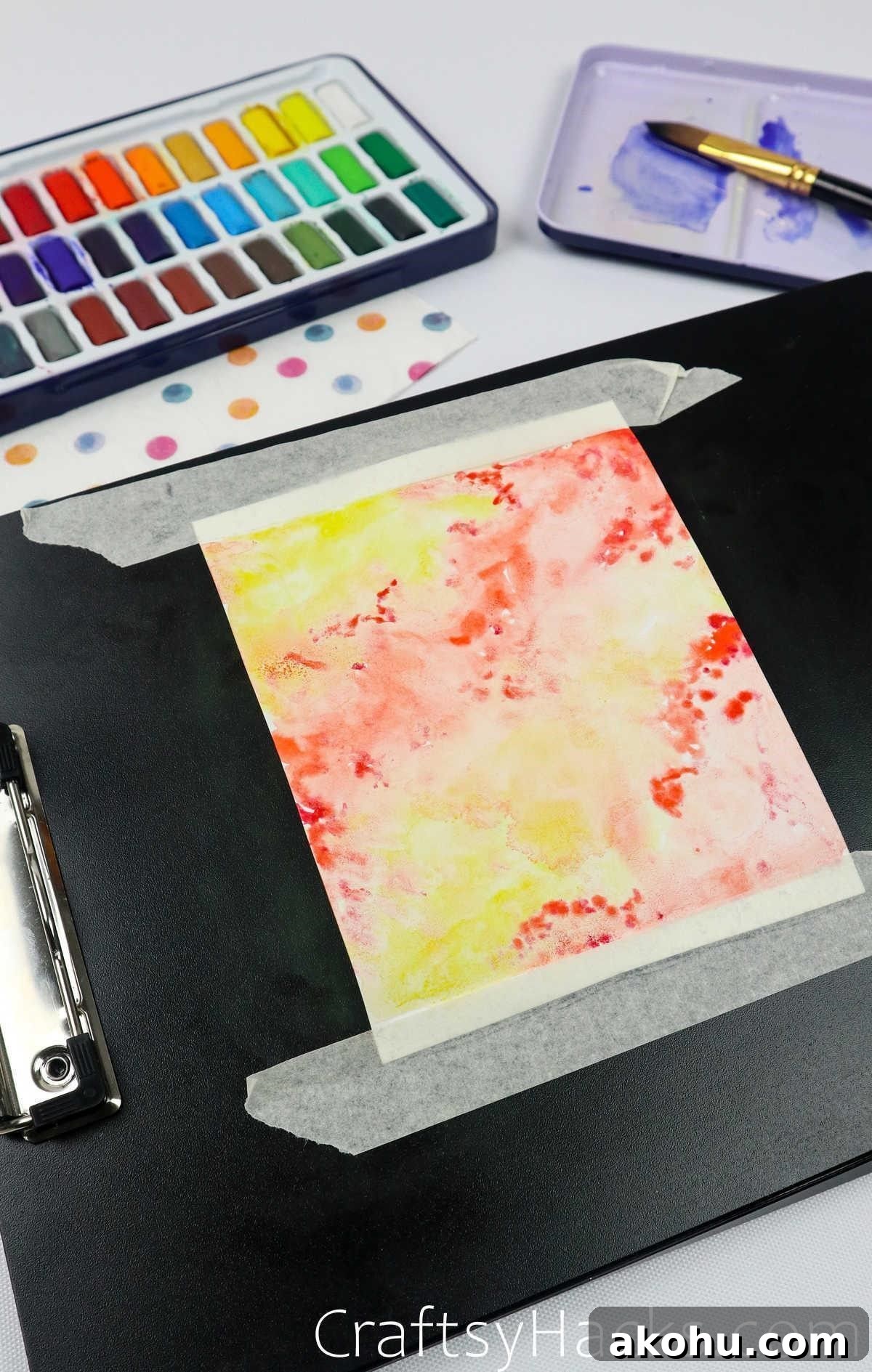
High-end painting boards are useful, but a sturdy clipboard is a perfectly fine and affordable alternative. It’s portable, easy to clean, and many clipboards have a convenient place to rest brushes. Combine a clipboard with de-tacked tape to keep your paper secure.
3. Use Salt to Create Texture and Patterns
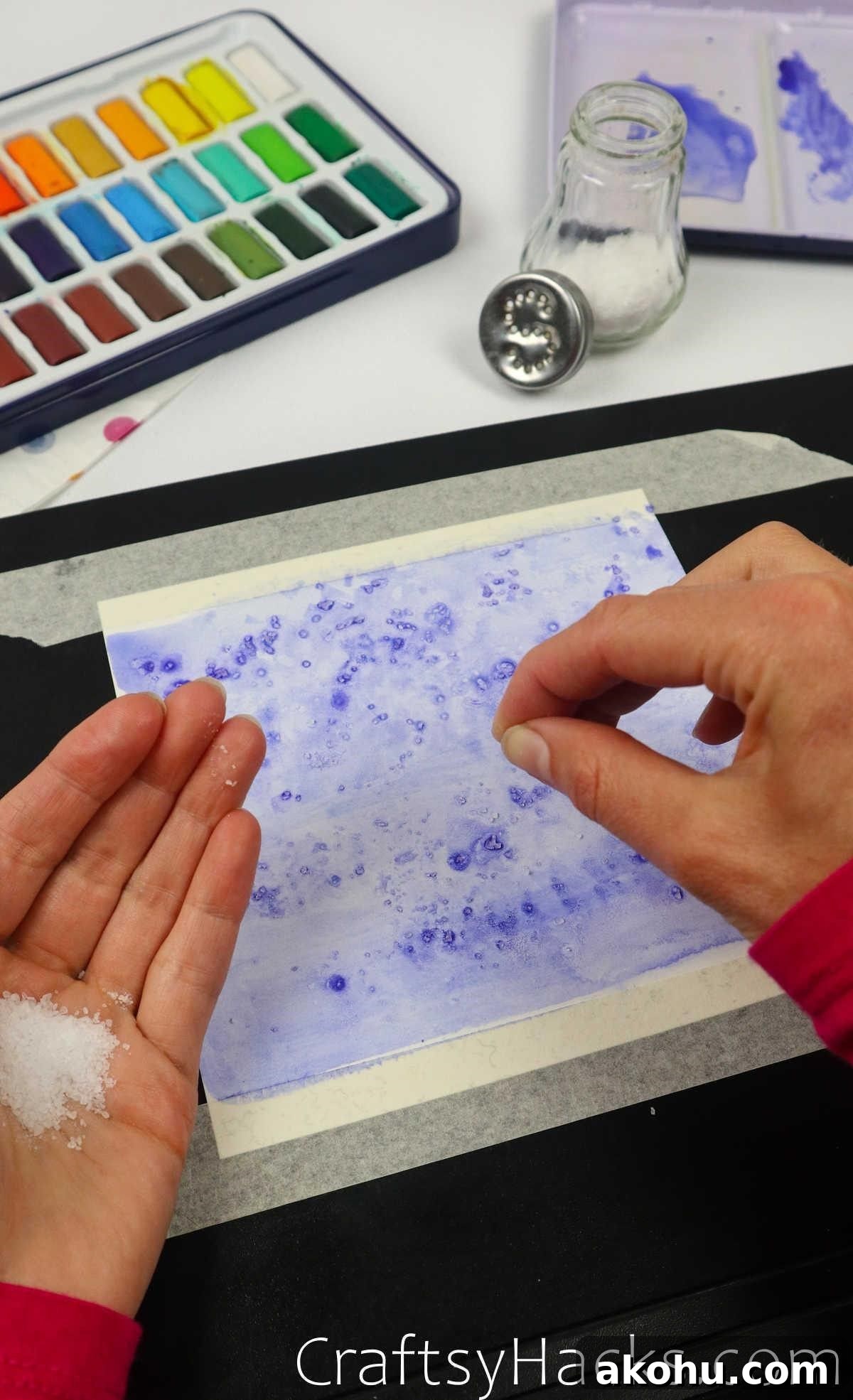
Sprinkling salt on wet watercolor creates interesting granular textures as the salt absorbs pigment and moisture. Apply salt to the wet areas you want textured, let the paint dry completely, then brush the salt away to reveal organic patterns. Experiment with different salt sizes and concentrations to vary the effect.
4. Speed Up Drying with a Heat Gun
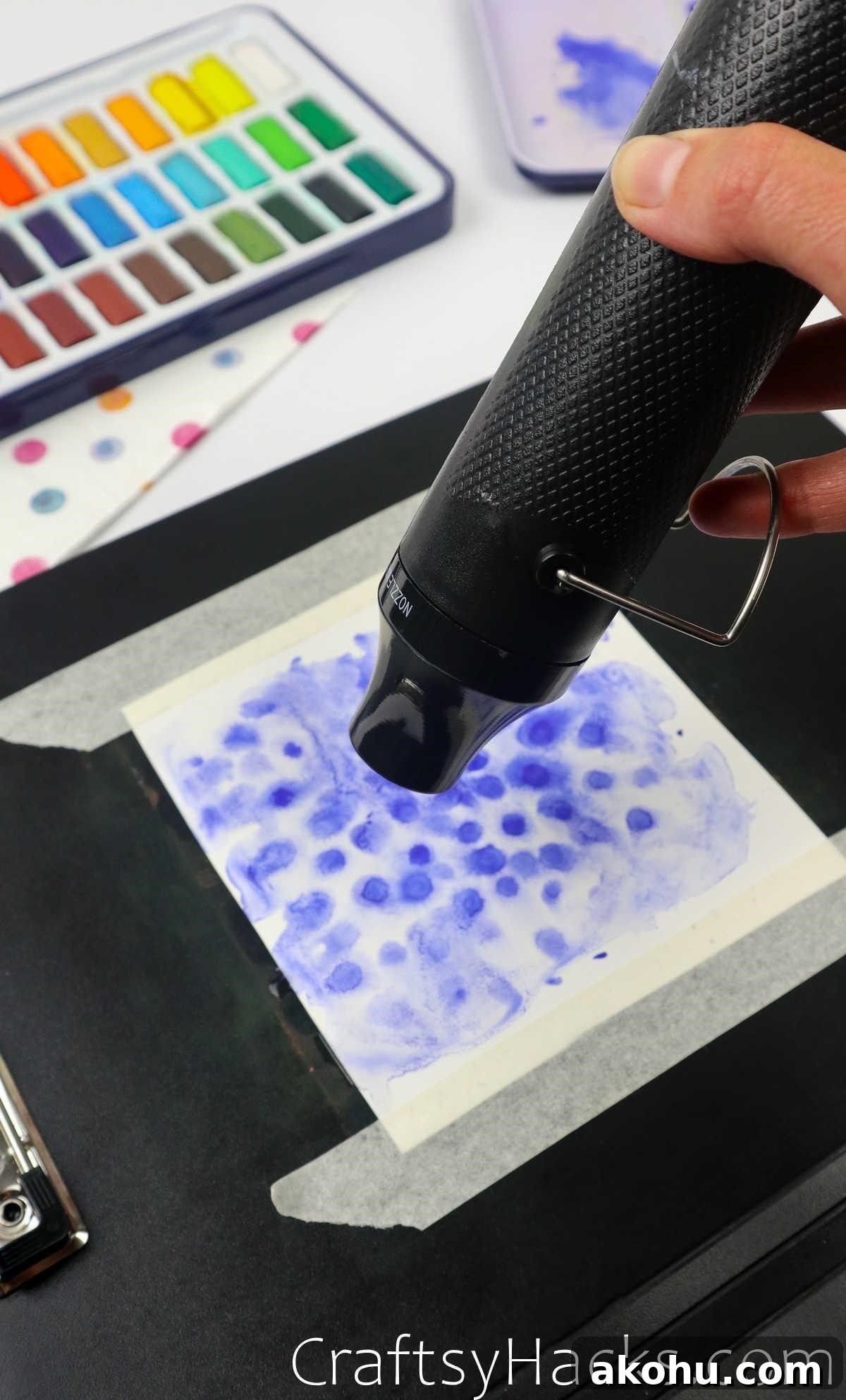
If you need layers to dry quickly, a heat gun or hair dryer on a low setting speeds drying time. Keep the heat source moving and hold it at a safe distance to avoid warping the paper or disturbing pigments. This is especially useful when you’re layering washes or working in sections.
5. Create Patterns with Rice
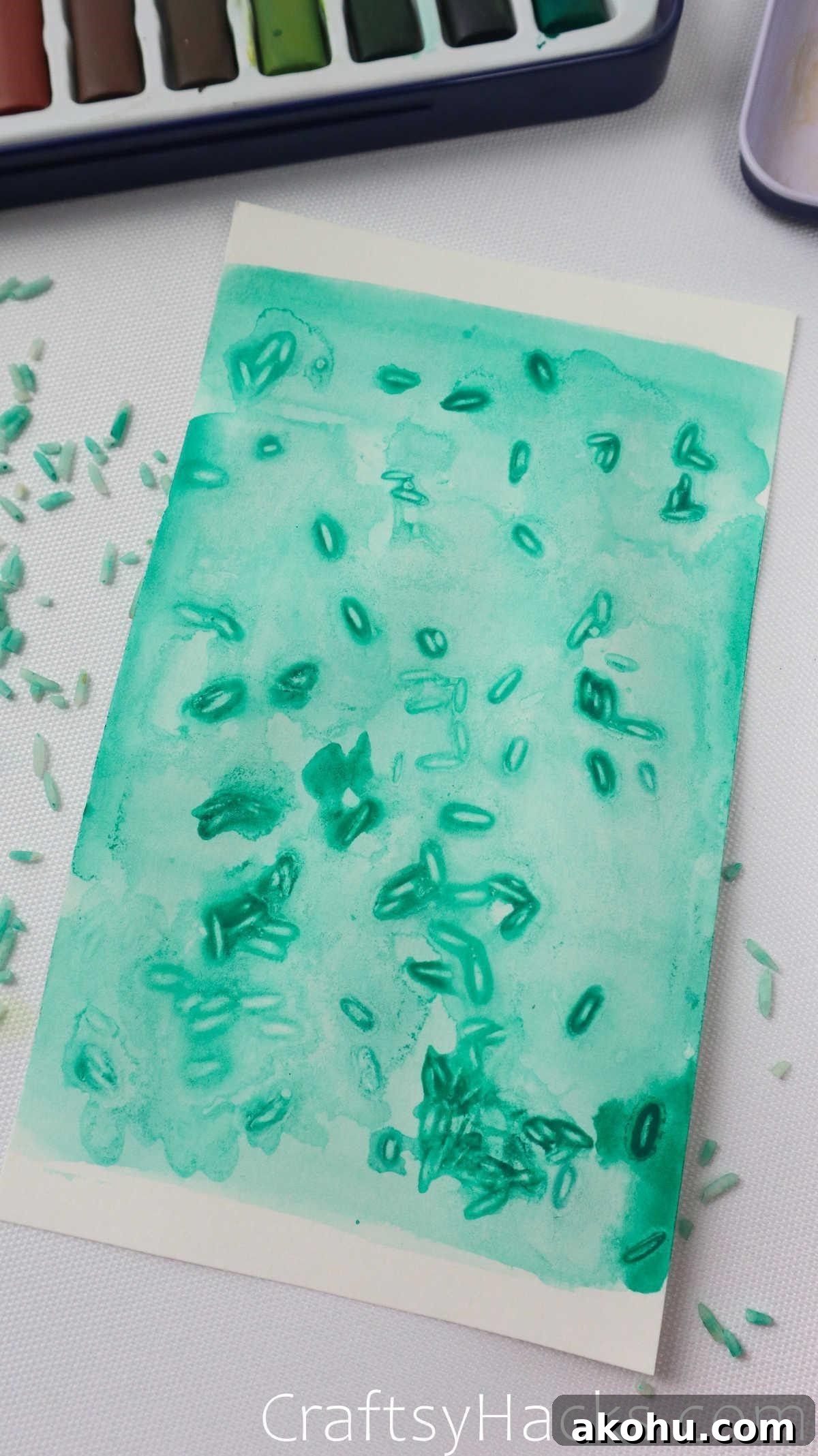
Like salt, dry rice sprinkled onto wet paint produces unique textures and marks. Place or scatter the rice where you want the pattern, let the paint dry, then remove the rice to reveal a patterned surface. Try different rice shapes and scattering densities for varied results.
6. Get Creative with Cling Film
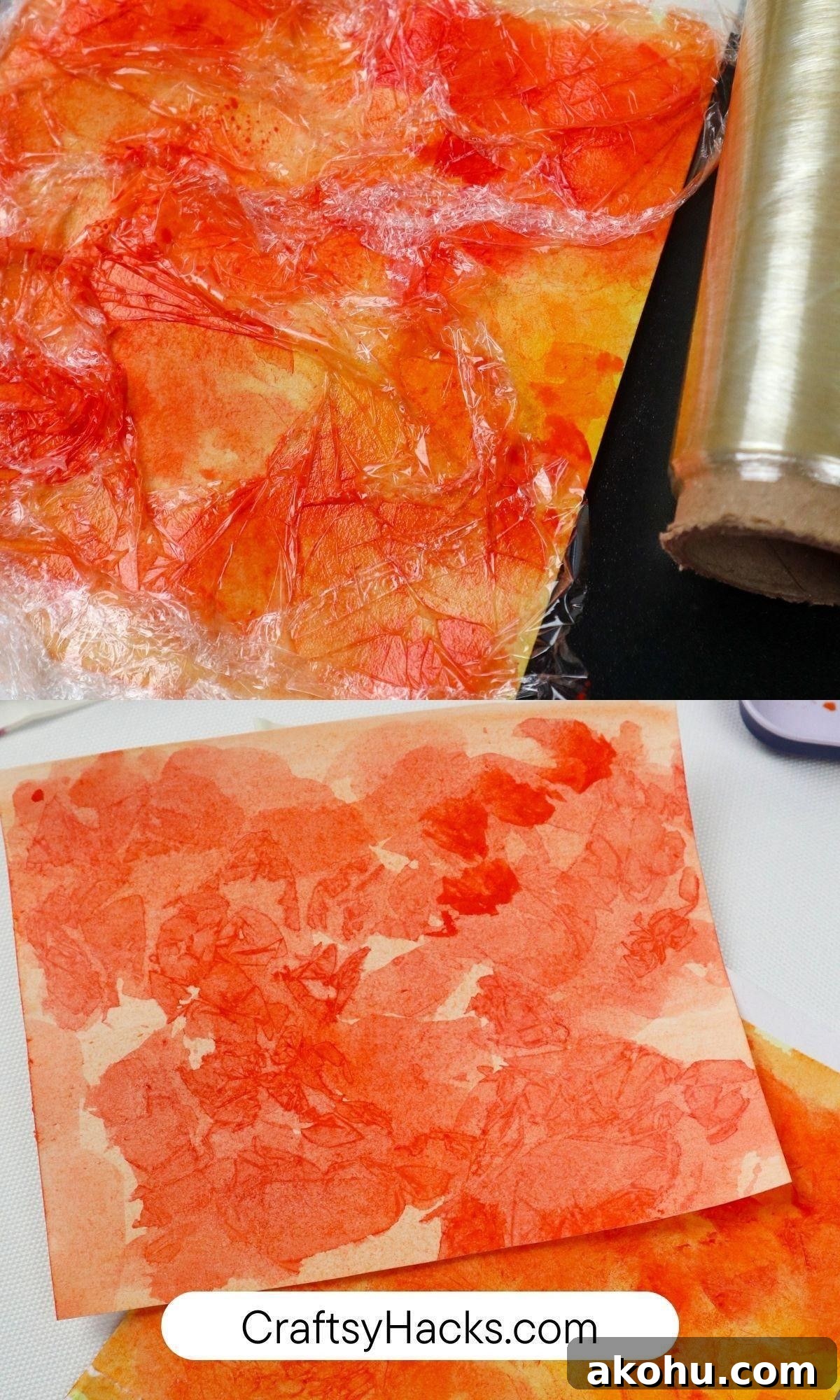
Pressing crumpled cling film (plastic wrap) onto wet watercolor produces organic textures and veining. Lay the film over a wet wash, leave it to dry, then peel it away carefully for unpredictable, painterly patterns. Each application yields a different look—perfect for backgrounds and atmospheric effects.
7. Dot Your Painting with Alcohol
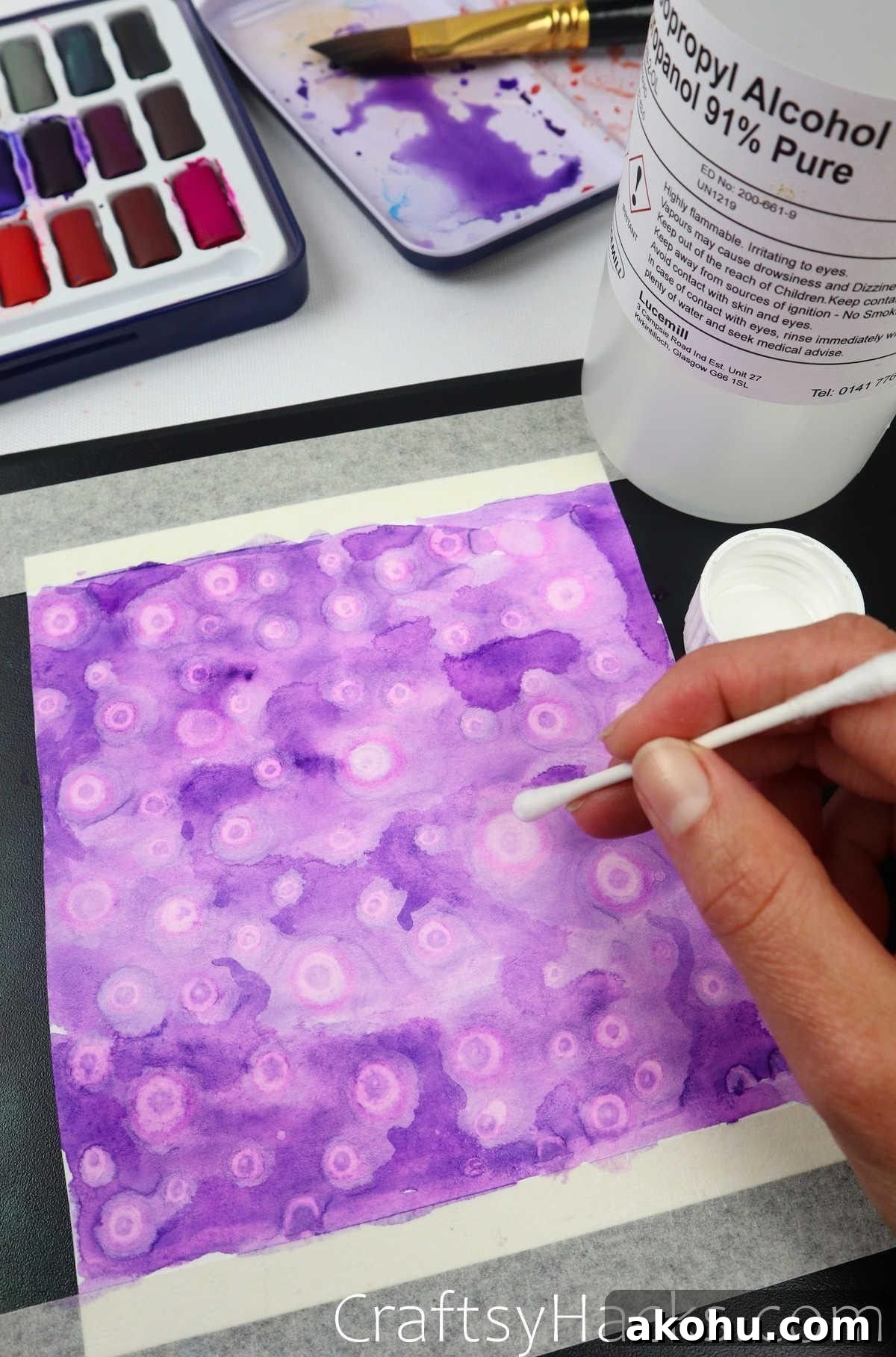
Isopropyl alcohol reacts with wet watercolor and creates pale, circular blooms. Use a cotton swab, dropper, or brush tip to apply small drops of alcohol to wet pigment for starburst effects. Try different strengths of alcohol and distances to change the size and intensity of the marks. Rinse any tools you use afterward.
8. Flatten the Paper with an Iron
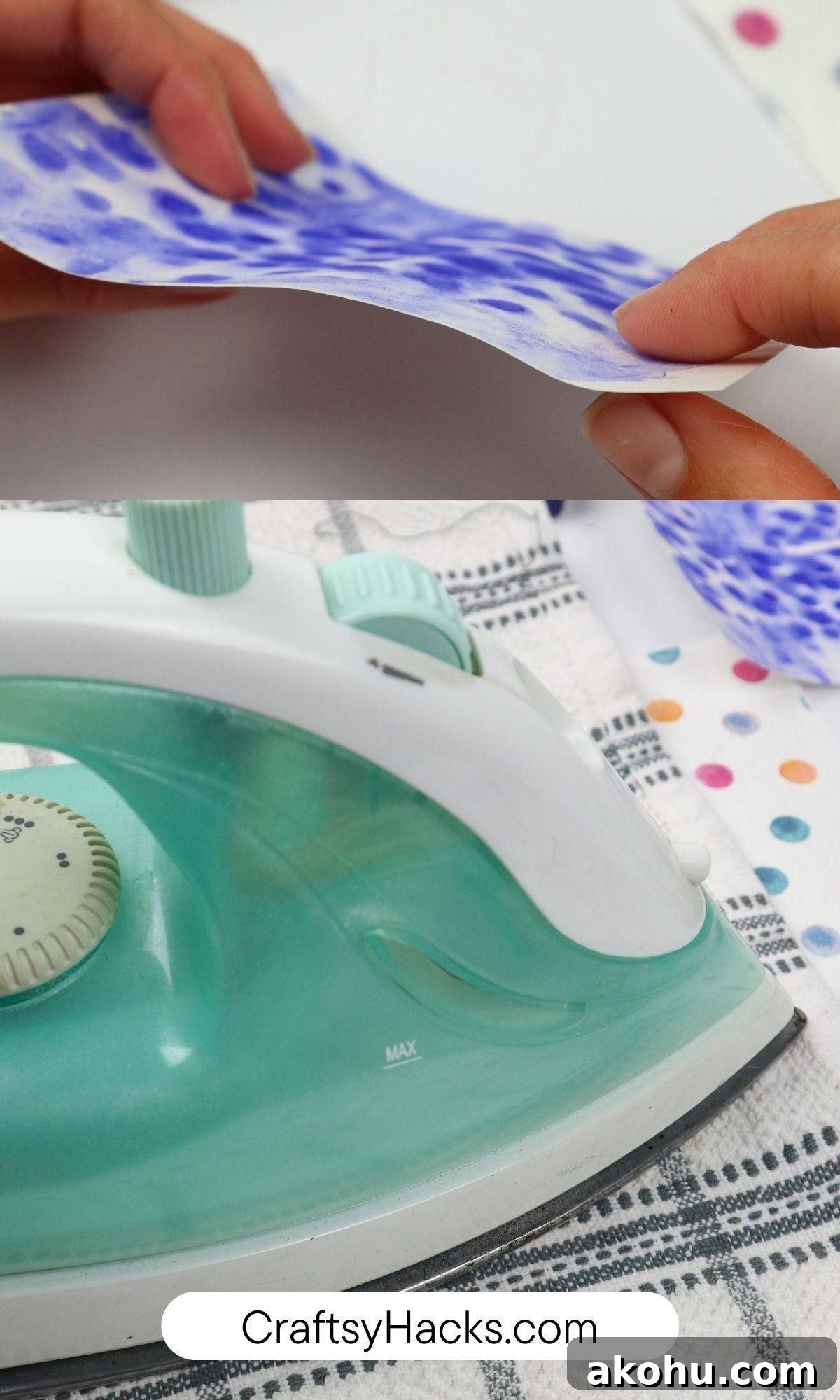
If your watercolor paper buckles after drying, you can gently flatten it with an iron. Place the artwork face down on a clean surface, cover with a damp cloth or towel, and press lightly with a low-heat iron. Work slowly, check frequently, and use minimal heat to avoid damaging the paper or paint.
9. Use Dishwashing Liquid to Create Bubbles
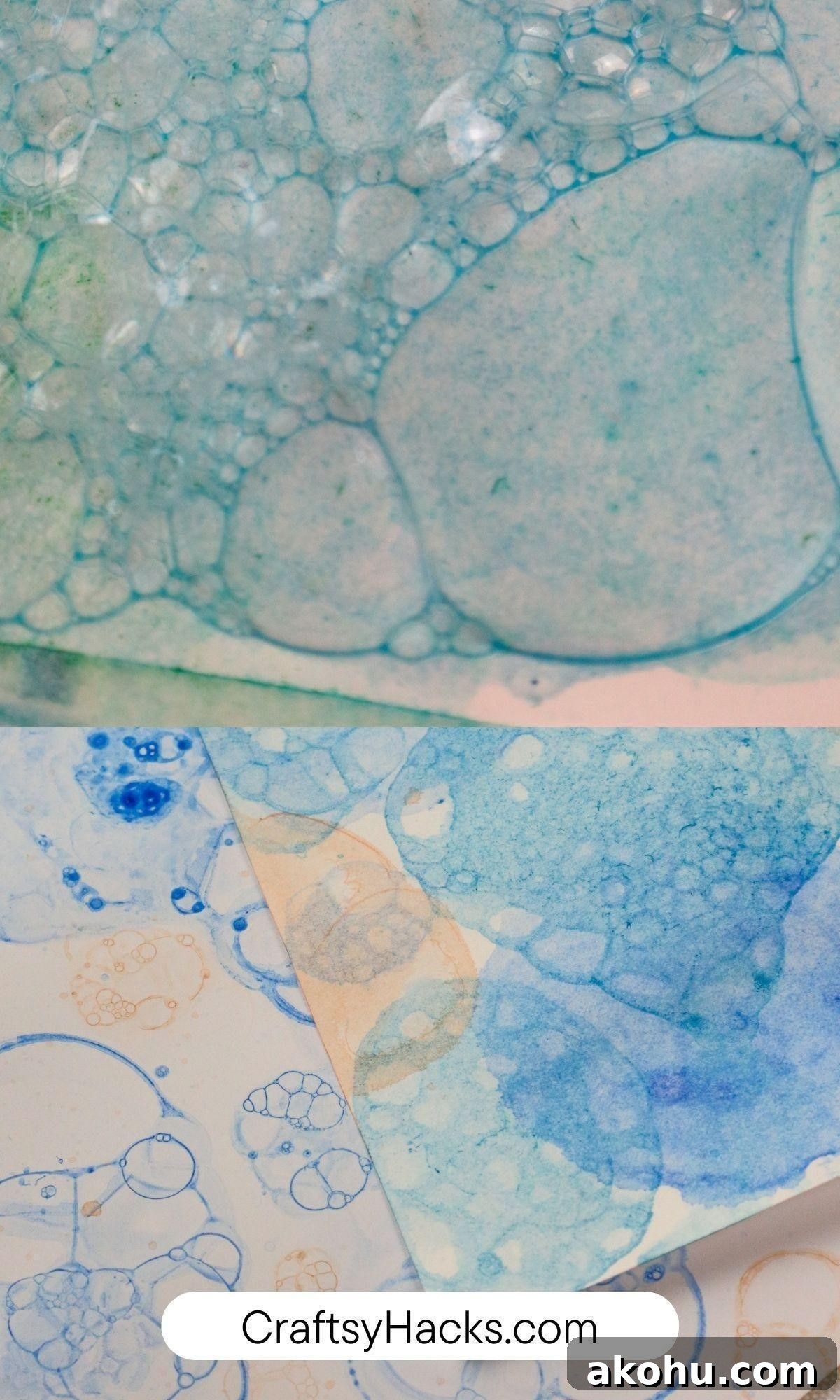
Mix a little watercolor with water and a drop of dish soap, then blow bubbles into the mixture. Press the colored bubbles gently onto paper to transfer circular, marbled patterns. This playful method is great for backgrounds, abstract effects, and fun experimental textures.
10. Paint with Water Brush Pens
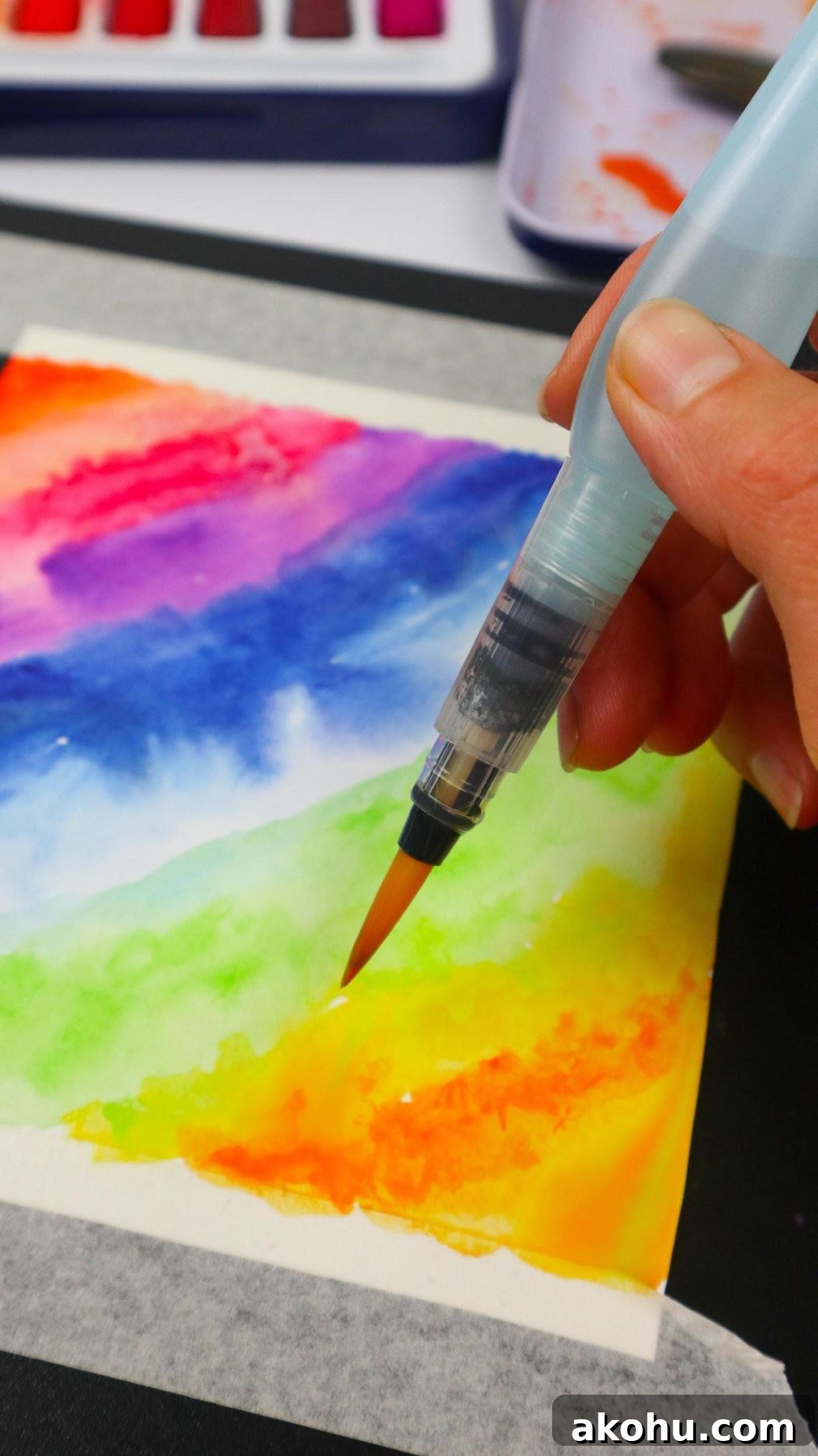
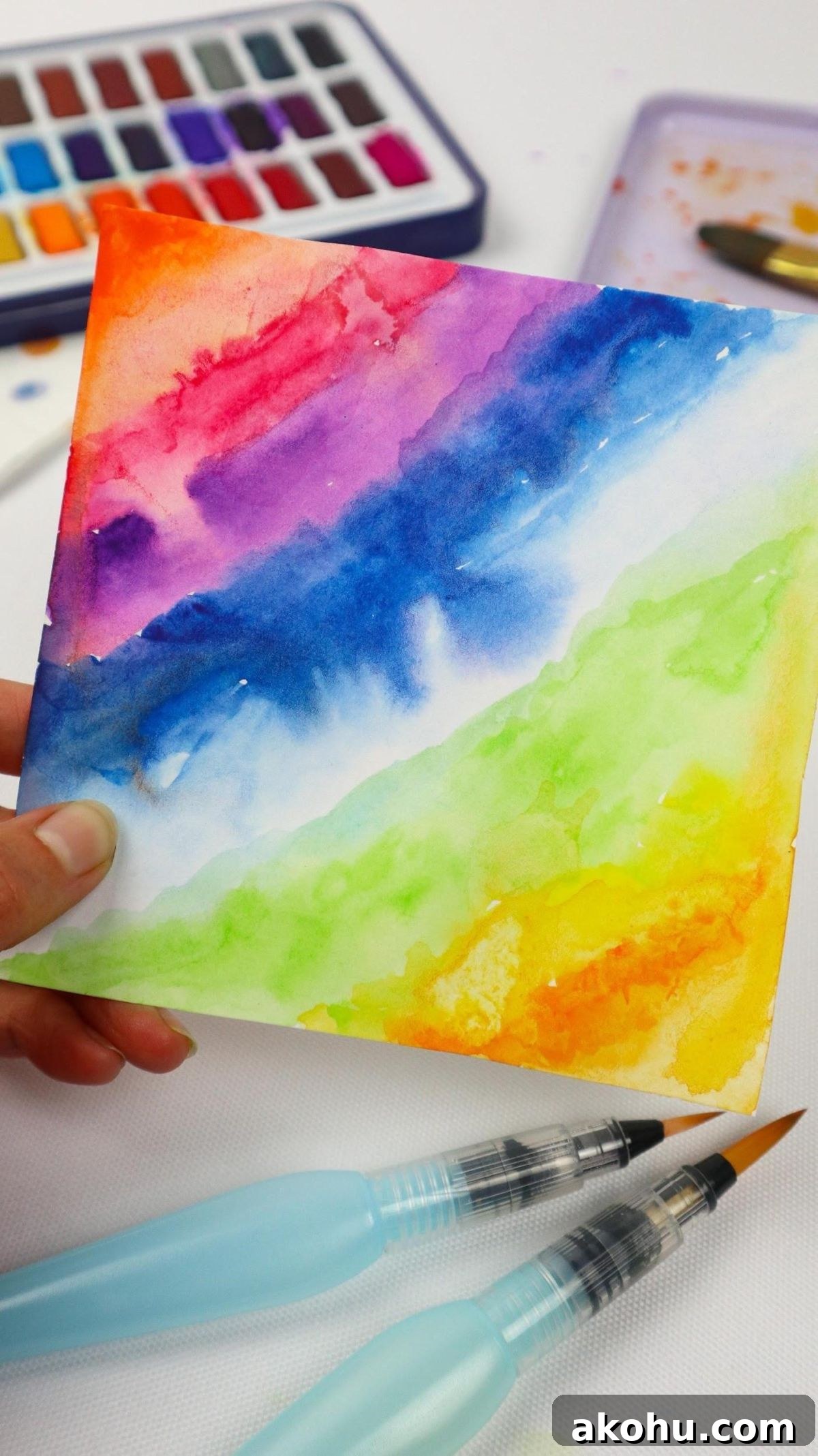
Water brush pens have a built-in water reservoir, making them convenient for sketching, travel, and controlled washes. Squeeze gently to release water to the brush tip and blend pigment on the page. They’re excellent for practicing water control and achieving varied pigment intensity without constant dipping.
These hacks are easy ways to explore texture, drying methods, and simple tools that enhance watercolor results. Try them one at a time, experiment, and adapt the techniques to your own creative process.
If you enjoyed these tips, keep practicing with simple beginner painting exercises to build confidence and skill.